National Dish Timor-Leste: Feijão com Coco (Recipe)
In this article
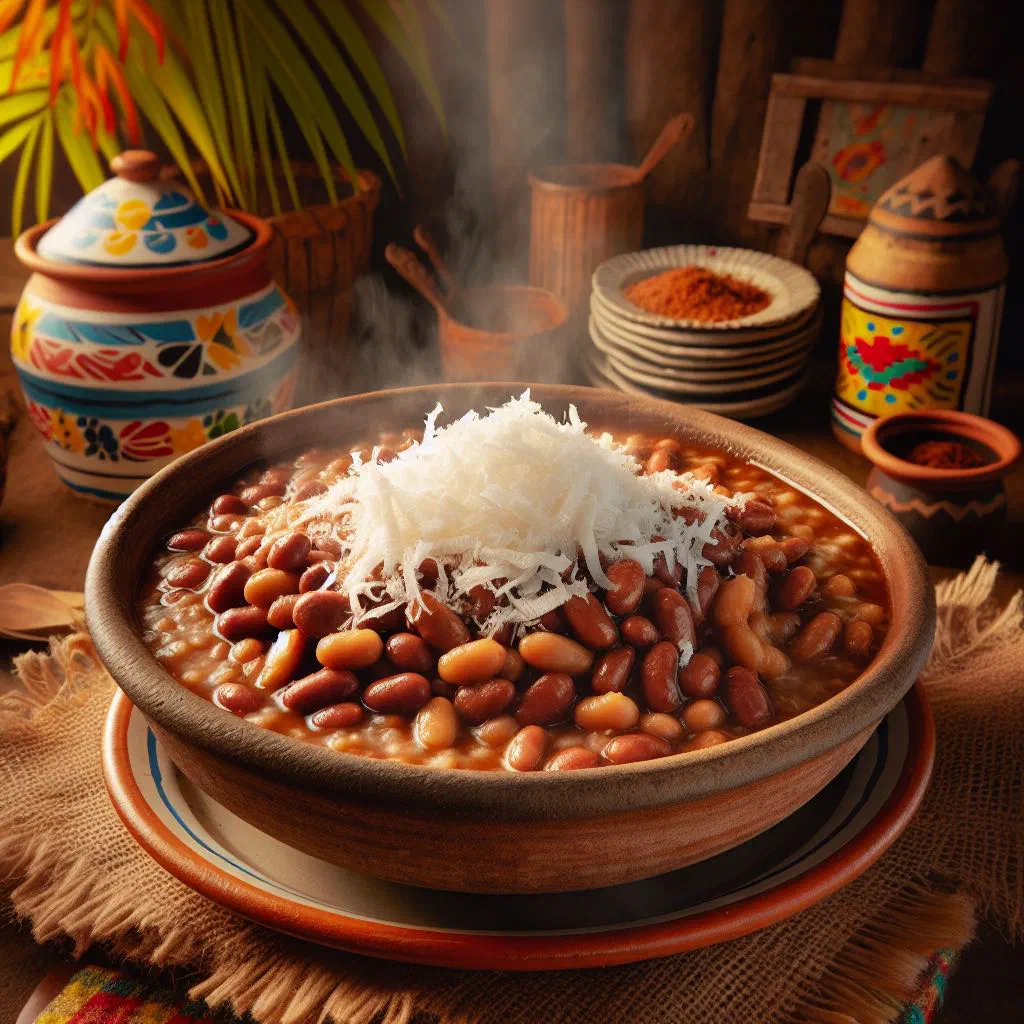
Meet Feijão com Coco, a comforting bowl of tender beans simmered in silky coconut milk from the East Timorese kitchen. This gentle, fragrant dish brings together everyday store-cupboard staples and the tropical richness of the coast, resulting in something both nourishing and quietly luxurious. It carries a little of Timor-Leste’s culinary soul straight to your table.
About Feijão com Coco
Feijão com Coco is a traditional dish from Timor-Leste that appeals to the palate while reflecting the country’s cultural roots. It pairs tender beans with creamy coconut milk, creating a harmonious and indulgent eating experience. The dish works beautifully as a main course or as a delicious side. Many families across Timor-Leste keep their own versions, handed down from one generation to the next, so that every pot turns out just a little bit unique.
Ingredients (serves 1–2)
- 200 g white beans
- 200 ml coconut milk
- 1 onion
- 2 garlic cloves
- 1 teaspoon salt
- 1 teaspoon pepper
- 2 tablespoons vegetable oil
- Fresh herbs (such as coriander or parsley)
Shopping for the ingredients
If you want to prepare Feijão com Coco, choosing the right ingredients is key to an authentic flavour. Visit local grocers or an Asian market to find fresh beans and good coconut milk. Organic ingredients are often worth seeking out, as they are healthier and intensify the aromas. Be sure to pick up fresh herbs such as coriander or parsley, which give the dish a special lift.
Preparing the dish
To get the best out of this dish, a little preparation goes a long way. First, the beans should be soaked overnight to shorten the cooking time and achieve a better texture. On the day of cooking, finely chop the onion and garlic cloves so the aromas spread evenly through the pot. Making Feijão com Coco calls for a touch of patience, but the reward is a memorable taste experience.
Step-by-step instructions
- Bring the soaked beans to the boil in a pan of fresh water.
- Reduce the heat and let the beans simmer for about 45 minutes, until soft.
- In a separate pan, heat the vegetable oil and sauté the chopped onion and garlic.
- Drain the cooked beans and add them to the onion and garlic.
- Pour in the coconut milk, then add the salt and pepper, and stir well.
- Let the dish simmer for another 10–15 minutes so the flavours meld together.
- Garnish with fresh herbs and serve.
Gluten-free / lactose-free version
One of the great advantages of Feijão com Coco is that it is naturally gluten-free and lactose-free. You only need to check the coconut milk to make sure it contains no added ingredients that might introduce gluten or lactose. That makes this dish a perfect choice for anyone with allergies or particular dietary needs. It is a wonderful way to enjoy a nutritious, flavourful meal without worrying about intolerances.
Tips for vegans and vegetarians
Feijão com Coco is an ideal dish for vegan and vegetarian eating. The main components, beans and coconut milk, are entirely plant-based and packed with nutrients. To add even more plant protein, you can fold in vegetables such as spinach or squash. Experiment with different herbs and spices to tailor the dish to your own taste, much as you might with a bowl of Massa com Legumes.
More tips and tricks
For the best flavour, soak the beans well before cooking, as this improves both texture and aroma. A pinch of chilli can be added to give the dish an extra kick. Take care not to overheat the coconut milk, so that its creaminess is preserved. To serve, a lovely plate or bowl helps present the dish with a little style.
Adapting the recipe to your taste
A big plus of Feijão com Coco is how adaptable it is. If you like it a touch sweeter, you can add a little sugar or honey. For extra crunch, scatter over some toasted nuts or seeds. That way every batch becomes a fresh experience.
Ingredient substitutions
If you do not have every ingredient to hand, there are plenty of alternatives for Feijão com Coco. Instead of white beans, you can use black beans or kidney beans, the same hearty pulses that shine in a classic Feijoada. In place of coconut milk, almond or oat milk will also work, as long as you adjust the seasoning. Think about which ingredients you enjoy most and simply experiment.
Drink pairing ideas
To round off the Feijão com Coco experience, a range of drinks pairs beautifully. A fresh fruit juice such as pineapple or mango harmonises wonderfully with the dish. Alternatively, a light white wine or a cucumber-and-mint water makes for a refreshing combination. Just make sure the drinks support the flavours of the dish rather than overpowering them.
Serving and presentation ideas
Presenting Feijão com Coco can be simple yet still impressive. Serve the dish in a pretty bowl or on a large plate, garnished with fresh herbs. A few slices of chilli on top add a lovely splash of colour. You can also pair the dish with rice or quinoa for an even more appealing presentation.
A bit of history
Feijão com Coco has its roots in the traditional cooking of Timor-Leste. The dish reflects the country’s farming practices and food culture, where beans and coconuts are widely used. Historically, combining beans with coconut milk was a way to make nourishing, filling meals that were at the same time easy to prepare. Despite global influences, it remains an important part of the culinary identity of Timor-Leste cuisine.
More recipe ideas
Summary: Feijão com Coco
All in all, Feijão com Coco is an essential dish for anyone who wants to discover the culinary wonders of Timor-Leste. With its straightforward preparation and rich flavours, it offers a rewarding challenge for beginners and seasoned cooks alike. It embodies the heritage and traditions of the country and is a wonderful way to experience exotic aromas. Give it a try and bring a piece of Timorese culture to your table.