National Dish Timor-Leste: Galinha no Forno (Recipe)
In this article
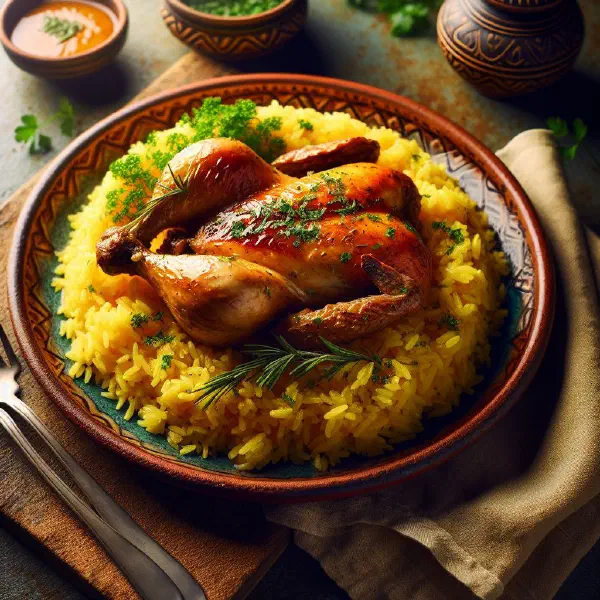
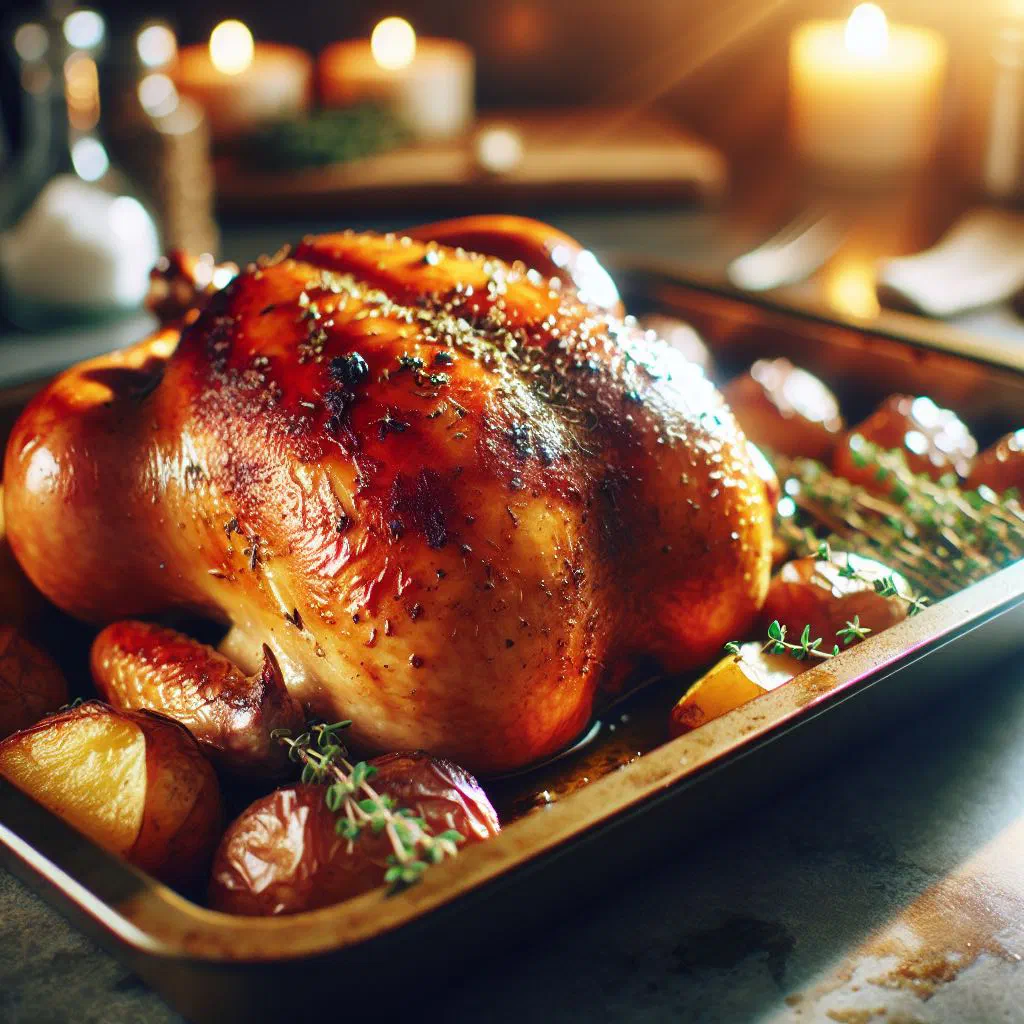
Meet Galinha no Forno, the oven-roasted chicken that sits at the heart of Timor-Leste’s kitchen. A whole bird is bathed in a fragrant marinade of garlic, onion, paprika and citrus, then baked until the skin turns golden and the meat falls tender from the bone. It is a dish built for sharing, the kind that appears at family gatherings and village celebrations alike, filling the room with warm, spiced aromas long before it reaches the table.
About Galinha no Forno
Galinha no Forno is a shining example of the culinary traditions of Timor-Leste. At its core is a whole chicken roasted over a fierce oven heat and enriched with a wide range of aromatic spices and fresh ingredients. That combination delivers a delicious explosion of flavour that pleases the palate and engages every sense. Whether at festive occasions or a relaxed family meal, Galinha no Forno is the highlight of the spread, a dish that draws everyone together around the table.
Ingredients (serves 1–2)
- 1 whole chicken (approx. 1 kg)
- 4 cloves of garlic, chopped
- 1 onion, diced
- 2 tablespoons olive oil
- 1 teaspoon paprika
- 1 teaspoon cumin
- Salt and pepper to taste
- Juice of one lemon
- Fresh herbs (such as coriander or parsley), to garnish
Shopping for the ingredients
When shopping for Galinha no Forno, it is important to choose fresh, good-quality ingredients. Make sure the chicken comes from a reliable source so the flavour is at its best. Many of the spices you need are easy to find in a well-stocked supermarket or a specialist Asian grocery. Fresh herbs are an absolute must, too, as they round out the dish and lend it that aromatic finishing note.
Preparing the dish
To get the most out of Galinha no Forno, start with the marinade, since it gives the chicken its defining flavour. Combine the chopped garlic, the diced onion, the olive oil, the spices and the lemon juice and mix them thoroughly. Coat the chicken generously with this marinade and leave it to rest in the fridge for a few hours or overnight. That waiting time matters. It lets the aromas work their way deep into the meat.
Step-by-step instructions
- Preheat the oven to 200°C.
- Place the marinated chicken in a roasting dish.
- Cover with aluminium foil and bake for 30 minutes.
- Remove the foil and roast for a further 30 minutes, until the chicken is golden brown.
- Let the chicken rest briefly after baking, then carve and serve.
Gluten-free / lactose-free version
Galinha no Forno is naturally gluten-free and lactose-free, as it contains no wheat products or dairy. That makes it an ideal choice for anyone with those intolerances. To be sure every component is truly gluten-free, do check the small print before you buy, spice blends in particular can sometimes contain hidden gluten.
Tips for vegans and vegetarians
Galinha no Forno is easy to adapt for vegans and vegetarians. In place of chicken you can use tofu, tempeh or vegetables such as aubergine or courgette. Marinate your chosen vegetables or tofu just as you would the chicken, then roast them in the oven. The result is every bit as tasty, capturing the flavours of Timorese cooking while offering a plant-based source of protein, much like the meat-free comfort of Tofu Goreng.
More tips and tricks
When making Galinha no Forno, take care to brown the chicken evenly. Turn the bird now and then as it cooks to achieve a uniform colour. Use a meat thermometer to make sure the chicken reaches a core temperature of at least 75°C. This stops the meat from drying out and lets the dish develop its full flavour.
Adapting the recipe to your taste
Galinha no Forno offers plenty of scope for adjustment to suit your own preferences. Experiment with different spices such as ginger or chilli to give the dish a hotter edge. Adding vegetables to the roasting dish while the chicken bakes can bring extra flavour and nutrients, too.
Ingredient substitutions
If you have no fresh herbs to hand, dried varieties will do the job just as well. Adjust the quantity accordingly, as dried herbs carry a more concentrated flavour. Another option is to use lemon or lime zest to bring a fresh lift to the dish. That keeps the recipe flexible and easy to tailor to whatever you have in your kitchen, the same easy-going spirit you will find in Arroz Frito.
Drink pairing ideas
For a well-rounded meal, several drinks work beautifully alongside Galinha no Forno. A white wine or a light red wine harmonises wonderfully with the flavours of the chicken. If you would rather keep things alcohol-free, fresh fruit juices or a sparkling mineral water with citrus make a refreshing choice. Matching food and drink plays a key role in getting the very best from this dish.
Serving and presentation ideas
Presentation can lift the enjoyment of a dish considerably. Serve the chicken on a large, rustic wooden platter and garnish it with fresh herbs to add colour and freshness. Small bowls of sides such as rice or salad can be arranged around the edge of the plate. A nicely dressed table with candles and attractive crockery turns the meal into a festive occasion and raises the whole experience to another level. It pairs naturally with a fragrant plate of Arroz Coado.
A bit of history
Galinha no Forno is more than just a dish; it is a symbol of Timorese culture. Roasting chicken in the oven has a long tradition in this region and is often associated with celebrations and special occasions. The use of local ingredients reflects the landscape and culinary diversity of Timor-Leste. At feasts it frequently takes pride of place on the table, shared in large gatherings that strengthen the sense of community, a spirit that runs right through Timorese cuisine.
More recipe ideas
Summary: Galinha no Forno
In short, Galinha no Forno is an indispensable dish of Timorese cooking. The combination of fresh ingredients, aromatic spices and a straightforward method makes it ideal for any occasion. Whether for a family dinner or a festive celebration, this dish brings the authentic taste of Timor-Leste straight to your table. Let the flavours and the history of this wonderful dish inspire you to give it a try.