National Dish Timor-Leste: Tapai (Recipe)
In this article
Meet Tapai, a sweet, gently boozy pleasure from the heart of Timor-Leste. This traditional dish of fermented rice turns a handful of simple pantry staples into something quietly magical, thanks to the age-old art of fermentation. Served either as a side dish or a dessert, it carries the honeyed aromas of Southeast Asia and offers a taste of the island’s rich culinary heritage. Easy to make and endlessly forgiving, it is the perfect place to begin your own fermenting adventures.
About Tapai
Tapai is a traditional dish from Timor-Leste that captures the essential culture and gastronomic diversity of the country. It is a fermented rice dish that can be served both as a side dish and as a dessert. The preparation is simple and suited to any kitchen, so everyone has the chance to enjoy this delicious speciality. Tapai charms with its sweet aromas and is the fruit of a long tradition of fermentation found across many cultures, sitting comfortably alongside other island classics of Timor-Leste cuisine.
Ingredients (serves 1–2)
- 1 cup rice (jasmine or glutinous)
- 1/2 cup sugar
- 1 cup water
- 1/4 teaspoon yeast
- A few banana leaves (optional, for presentation)
Shopping for the ingredients
There are a few important points to keep in mind when shopping for Tapai. First, it is well worth choosing good-quality glutinous rice, as this variety gives the best texture and flavour. Many Asian grocery shops also stock the fermentation products essential to the recipe, such as yeast. The sugar contributes to the sweetness of the dish and should be chosen with equal care to support the overall aroma.
Preparing the dish
Preparing Tapai is a crucial step in bringing out its full flavour. First, rinse the rice thoroughly to remove any excess starch, which improves the texture of the finished dish. Next, weigh out and set aside all the ingredients so the cooking process runs smoothly from start to finish. A little organisation here makes the whole thing far more relaxed.
Step-by-step instructions
- Cook the rice in boiling water for around 20 minutes, until soft.
- Let the cooked rice cool, then transfer it to a bowl.
- Add the sugar and yeast and mix well.
- Spoon the mixture into an airtight container and leave it to ferment in a warm place for 1–3 days.
- Once fermented, remove the Tapai and serve as you like.
Gluten-free / lactose-free version
A great bonus of Tapai is that the dish is naturally gluten-free and lactose-free, provided you use the right rice. Using glutinous rice ensures the recipe meets these criteria. For a reliably gluten-free result, do make sure the yeast you choose is gluten-free as well. That way, people with particular dietary needs can enjoy this treat too.
Tips for vegans and vegetarians
The ingredients for Tapai are naturally vegan and vegetarian, which makes the dish an ideal choice for anyone avoiding animal products. Take care to pick a plant-based sugar so as not to compromise the vegan credentials. It is also worth adding extra plant-based ingredients such as fruit or nuts to boost both the nutritional value and the depth of flavour. Variations like these can make the dish even more appealing.
More tips and tricks
When making Tapai, a few tricks can refine the final result. One tried-and-tested tip is to soak the rice overnight before cooking, which shortens the cooking time and gives a better texture. Take care, too, to keep the fermentation spot evenly warm, as temperature swings can affect the fermentation process. Experiment with the fermentation time to reach the flavour you are after.
Adapting the recipe to your taste
The beauty of Tapai lies in how flexible it is to prepare. Depending on your taste, you can vary the amount of sugar or add extra ingredients such as coconut milk for a creamier consistency. You can also try different rice varieties to discover new flavours, much as you might when making a bowl of Arroz Coado. These tweaks make Tapai a versatile dish that can be reinvented time and again.
Ingredient substitutions
If you do not have the specific ingredients for Tapai to hand, there are plenty of creative alternatives. In place of sugar you can use honey or agave syrup, though the sweetness may vary slightly. For the yeast, special leavening agents with fermenting properties can be used instead. Substitutions like these help the dish better suit your individual needs and preferences.
Drink pairing ideas
To round off the flavour experience of Tapai, it is worth choosing well-matched drinks. A light, fresh beverage such as coconut water harmonises beautifully with the sweet aromas of the dish. Fruity smoothies or an unsweetened herbal tea also make ideal companions that please the palate. Pairings like these create a truly memorable culinary experience.
Serving and presentation ideas
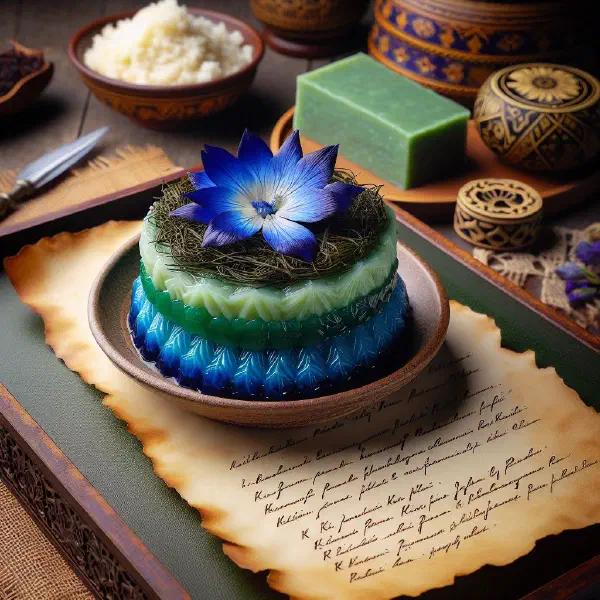
The presentation of Tapai can heighten the anticipation of the meal. One appealing option is to serve small portions in decorative bowls or on banana leaves. Garnishing with fresh fruit or edible flowers brings colour to the plate and makes the dish even more inviting. Small details like these make a big difference at the table and leave a lasting impression, just as they do with a serving of Doce De Coco.
A bit of history
Tapai has its roots in the long tradition of fermentation across Southeast Asia. The process is a method of preservation and carries cultural significance, often served at traditional festivals and celebrations. The various preparation methods and regional variations reflect the cultural diversity of Timor-Leste and its cooking traditions. By making Tapai, you become part of this history and culture.
More recipe ideas
Summary: Tapai
In short, Tapai is a fascinating and delicious dish that combines simple preparation with an unmistakable flavour. The variety of ingredients and the many ways to adapt it make it ideal for any occasion. Give it a go and experience the wonderful flavours of Timor-Leste.