National Dish Togo: Koudbou (Recipe)
In this article
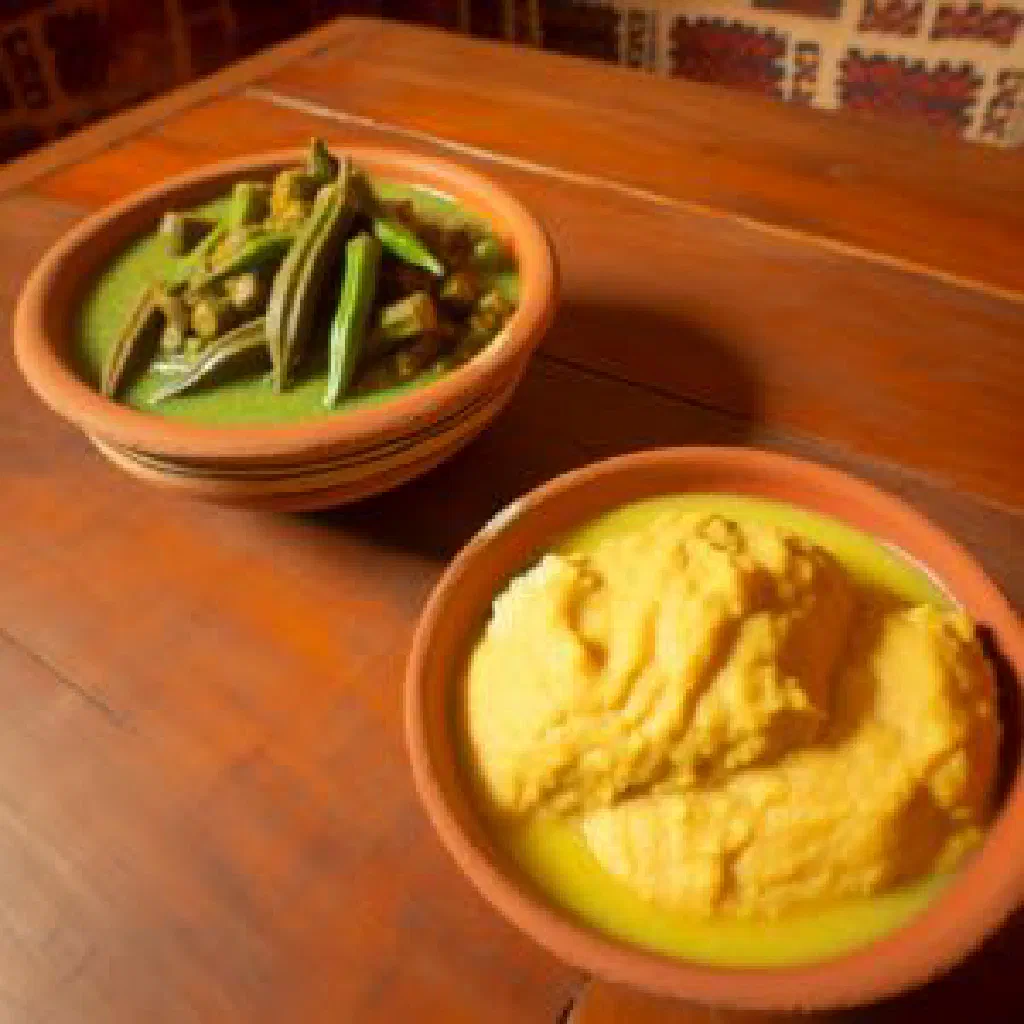
Meet Koudbou, a comforting classic from Togo built around a smooth cornmeal porridge that is spooned up with tender vegetables and, if you like, a little meat. Simple yet deeply satisfying, it carries the warm, earthy flavours of West African home cooking and turns up at family gatherings and celebrations alike. Bring a taste of Togolese hospitality to your own table with this hearty, endlessly adaptable dish.
About Koudbou
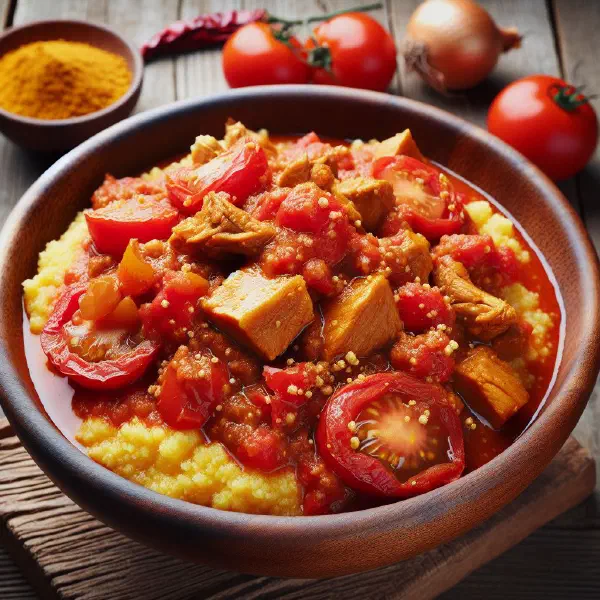
Koudbou is a traditional dish from Togo that has won over the hearts of many. It is built mainly on a soft cornmeal porridge and is often combined with delicious vegetables or meat. This pairing of ingredients brings out the singular flavours of West African cuisine while showcasing Togo’s cultural roots. The dish is prized for its taste and for the important role it plays at social occasions, making it as much a part of community life as it is of the kitchen.
Ingredients (serves 1–2)
- 200 g cornmeal
- 500 ml water
- 200 g vegetables (e.g. carrots, courgette)
- 100 g meat (e.g. chicken or beef) – optional
- 1 onion
- 2 cloves of garlic
- Salt and pepper, to taste
Shopping for the ingredients
The first step towards making Koudbou is buying all the ingredients you need. You can do this at a local supermarket or a weekly market, where fresh vegetables and cornmeal are readily available. It is worth choosing high-quality ingredients to guarantee the best flavour. Many cooks prefer sustainable, locally grown produce to help protect the environment and support their community.
Preparing the dish
Preparation is a decisive step in getting Koudbou right. Begin by cleaning and cutting the vegetables and the meat. To achieve the proper flavour, finely chop the onion and garlic and dice the vegetables as you like. Depending on your choice of meat, cut it into small pieces too so it cooks through evenly and comes together with the rest of the dish.
Step-by-step instructions
- Bring the water to the boil in a pan.
- Add the cornmeal, stirring constantly to prevent lumps from forming.
- Cook the porridge over low heat for about 15 minutes, until it is thick and creamy.
- In a separate pan, sauté the onion and garlic until golden brown.
- Add the prepared vegetables and the meat, then cook for a further 10 minutes.
- Season with salt and pepper and fold the vegetable-and-meat mixture through the porridge.
- Serve the Koudbou hot and garnish to taste.
Gluten-free / lactose-free version
Koudbou is naturally gluten-free, as long as you use pure cornmeal. To make the dish lactose-free, leave out any ingredients that contain dairy or replace them with plant-based alternatives. A vegetable stock can be used to add extra flavour without relying on dairy. This keeps the dish both wholesome and suitable for a range of diets, much like the yam-based Ragout Digname.
Tips for vegans and vegetarians
Vegans and vegetarians can easily adapt Koudbou by leaving out animal products. Use plant-based protein such as tofu or tempeh in place of the meat to keep the dish nourishing. Adding pulses such as chickpeas or lentils can make it more protein-rich too. Try to vary the vegetables as well, so you bring a range of flavours and nutrients into the finished dish.
More tips and tricks
A few extra tips can help your Koudbou turn out even better. Experiment with different vegetables and herbs to create your own flavour combinations. Using a homemade stock instead of water can also lend the dish more depth. It is well worth enjoying any leftovers the next day, as the flavours settle and deepen overnight.
Adapting the recipe to your taste
Everyone has their own preferences when it comes to flavour and texture, so Koudbou is easy to tailor by varying the amount of vegetables or the type of meat you use. Fans of heat can add chilli or cayenne pepper, while others may prefer a milder version. Make the most of this creative freedom to build a dish that truly suits you.
Ingredient substitutions
If you do not have certain ingredients to hand, there are plenty of alternatives to fall back on. Cornmeal, for example, can be swapped for a gluten-free flour blend, while the meat can be exchanged for plant proteins. There are no limits with the vegetables either; instead of carrots you might use sweet potatoes or peas. Substitutions like these let you adapt the dish to whatever is already in your kitchen, in the same spirit as a warming Soupe De Manioc.
Drink pairing ideas
Choosing the right drink can noticeably intensify the flavour experience of your Koudbou. Traditional African drinks such as a fermented millet brew or a light beer harmonise beautifully with the dish. For those who prefer something alcohol-free, fresh fruit juices or a simple homemade lemonade make fitting alternatives, a chilled Jus De Gingembre is especially refreshing.
Serving and presentation ideas
An appealing presentation can enrich the whole dining experience. Serve Koudbou in a beautiful, generous bowl that shows the dish off well. Garnish it with fresh herbs or edible flowers to add a special touch. An extra element, such as a scattering of exotic spices, can also contribute to both the visual appeal and the overall flavour.
A bit of history
Koudbou has its roots in traditional West African cuisine and has developed over many generations. It is a symbol of hospitality and community in many African cultures. Historically, the dish was often served at festive occasions or special family celebrations, which underlines its importance. It stands for culinary tradition and for the culture and identity of the people of Togo, and it sits comfortably alongside the many other dishes of Togolese cuisine.
More recipe ideas
Summary: Koudbou
Koudbou is a culinary experience that unites the flavours and culture of Togo. Its simplicity and versatility make it an excellent choice for anyone wanting to get to know West African cuisine. Whether with vegetables or meat, the dish offers plenty of options to satisfy a wide range of tastes. Enjoy the preparation and discover a piece of Togo in your own kitchen.