National Dish Tonga: Palusami (Recipe)
In this article
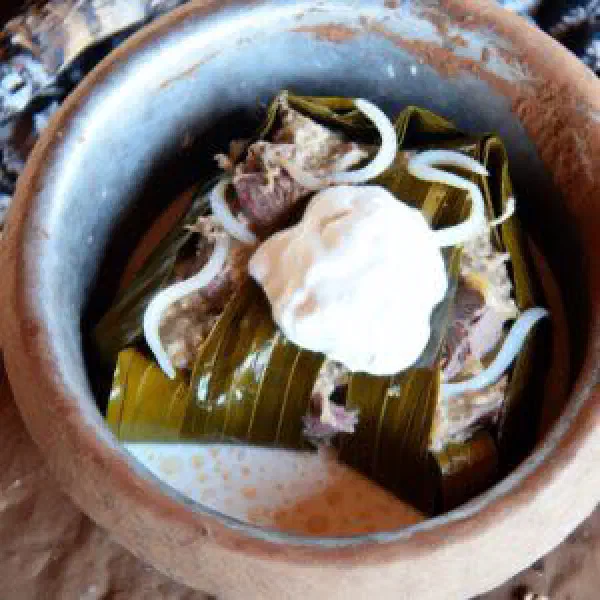
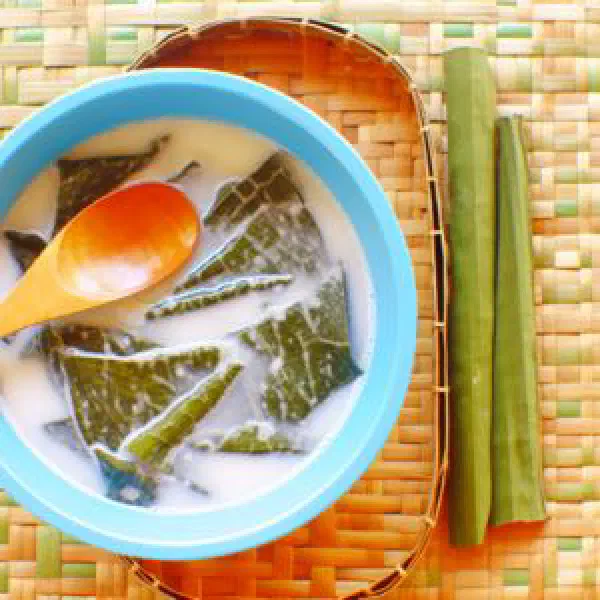
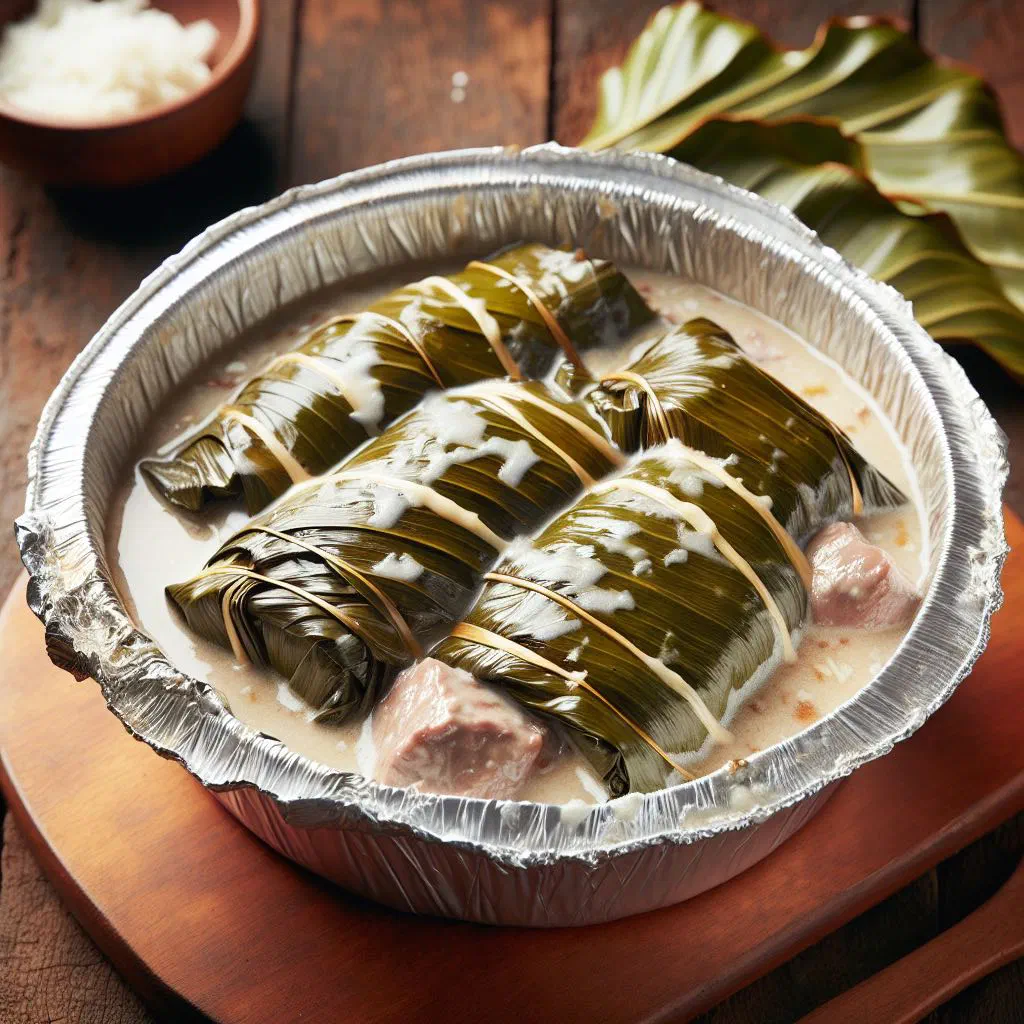
Meet Palusami, a treasured classic from the islands of Tonga that wraps tender taro leaves in a rich, creamy coconut sauce. Often layered with a little meat or fish, it is a dish where earthy greens and silky coconut come together in perfect harmony. The bright colours make it as much a feast for the eyes as for the palate, and one forkful is enough to carry you straight to the South Pacific.
About Palusami
Palusami is a traditional dish from Tonga that sets the hearts of food lovers racing. Its main components are fresh taro leaves and a creamy coconut sauce, which together form a harmonious combination of flavours. Palusami is often enriched with tender meat or fish, making the dish even heartier and more interesting. It is a treat for the palate and for the eyes, as the bright colours of the ingredients create an appetising presentation.
Ingredients (serves 1–2)
- 300 g fresh taro leaves
- 200 ml coconut milk
- 100 g tender meat or fish (e.g. chicken or tuna)
- 1 onion, finely chopped
- Salt and pepper to taste
- 1 teaspoon lime juice
Shopping for the ingredients
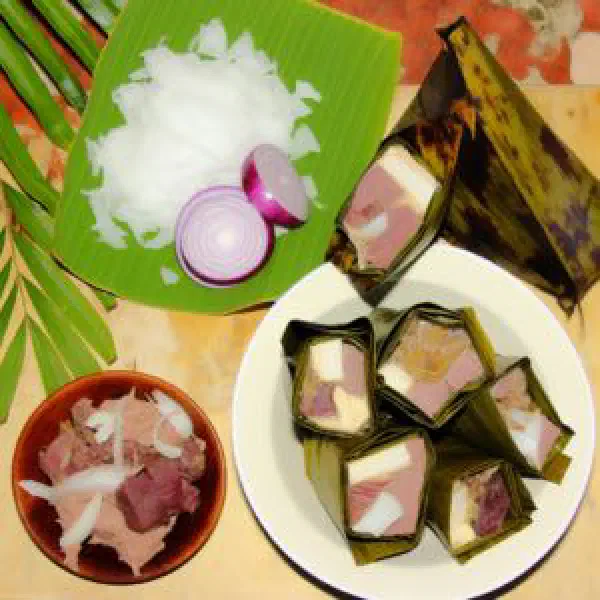
When shopping for the ingredients for palusami, pay attention to the freshness of the taro leaves. These are the main component and should have a rich green colour with no brown patches. Coconut milk can be bought tinned or fresh from the nut. Take care, too, to choose good-quality meat or fish to achieve the best flavour. Local markets or Asian grocery shops are often excellent places to find these ingredients.
Preparing the dish
Before you begin making palusami, it is important to prepare all the ingredients thoroughly. The taro leaves should be washed well and the tough stems removed, after which they can be cut into large pieces. The onion should be finely chopped to ensure an even aroma. Make sure to clean the meat or fish too and cut it into bite-sized pieces. Good preparation is the key to a successful dish.
Step-by-step instructions
- Preheat the oven to 180 degrees Celsius.
- In a bowl, mix the coconut milk with the chopped onion, salt, pepper and lime juice.
- Line an ovenproof dish with a layer of taro leaves.
- Spread the fish or meat pieces evenly on top.
- Pour the coconut milk mixture over the filling.
- Lay another layer of taro leaves on top and cover everything well.
- Cover the dish with foil and bake in the oven for 45 minutes.
- Remove the foil and bake for a further 15 minutes, until the surface turns lightly golden brown.
Gluten-free / lactose-free version
Palusami is naturally gluten-free, as long as you use the right ingredients. Use lactose-free coconut milk in the preparation if needed. These alternatives ensure that even people with special dietary requirements can enjoy the delicious taste of palusami. In this way the dish stays traditional and adaptable for every diet.
Tips for vegans and vegetarians
For vegan or vegetarian versions of palusami, you can easily replace the meat or fish with vegetables. Courgettes, aubergines or mushrooms make an excellent filling. The coconut milk remains, as always, a wonderful creamy base. This creates a nutritious option and gives the dish a completely different flavour note that is well worth trying.
More tips and tricks
To intensify the flavour of palusami even further, you can add spices such as turmeric or ginger. These are prized for their taste and for their health benefits. In addition, you can garnish the dish with freshly chopped coriander or spring onions to add extra freshness. Remember to adjust the baking time according to your oven for the best possible result.
Adapting the recipe to your taste
The beauty of palusami lies in its versatility. Depending on personal preference, you can try out different ingredients. Add fruit such as pineapple for a sweeter note, for example, or experiment with different coconut products. The key is to adapt the dish to your own taste and to be creative. In this way the traditional palusami can become a completely individual dish.
Ingredient substitutions
If you have trouble finding fresh taro leaves, other leafy greens such as spinach or chard can be used instead, the same versatile greens at the heart of a dish like Tongan Lu. With the coconut milk there are also cashew- or almond-based versions for different flavours. Another option is to use dried aromatics, which offer a concentrated taste. These alternatives provide variety without losing the essence of the dish.
Drink pairing ideas
To round off the palusami experience, tropical cocktails or freshly pressed juices are ideal. A refreshing mango lemonade or a classic piña colada harmonise beautifully with the flavours of the dish. Non-alcoholic options such as black tea with lemongrass also make an aromatic accompaniment. These drinks help bring the exotic atmosphere of Tonga straight into your kitchen.
Serving and presentation ideas
When it comes to presenting palusami, there are no limits to your creativity. Serve the dish in traditional clay pots or on colourful plates to emphasise the Polynesian flair. For an extra highlight, you can use edible flowers or fresh herbs such as coriander for decoration. An appealing presentation is not only a joy to serve but will also impress your guests.
A bit of history
Palusami has its roots in Polynesian culture and has been prepared in Tonga for a very long time. The use of coconut and taro is deeply embedded in the traditions of the islands and reflects the agricultural diversity of the region. The dish is often served at special occasions and celebrations, which underlines its cultural significance. By preparing palusami we connect ourselves with Tonga through food and culturally, a hallmark of authentic Tongan cuisine.
More recipe ideas
Summary: Palusami
Palusami is a journey into Polynesian cuisine. With its delicious flavour and its easy preparation, it is ideal for anyone interested in new culinary adventures. It offers countless ways to adapt it and can easily be worked into different dietary styles. Whether interpreted in a traditional or a modern way, palusami remains very good and a feast for the senses.