National Dish Tonga: Sapasui (Recipe)
In this article
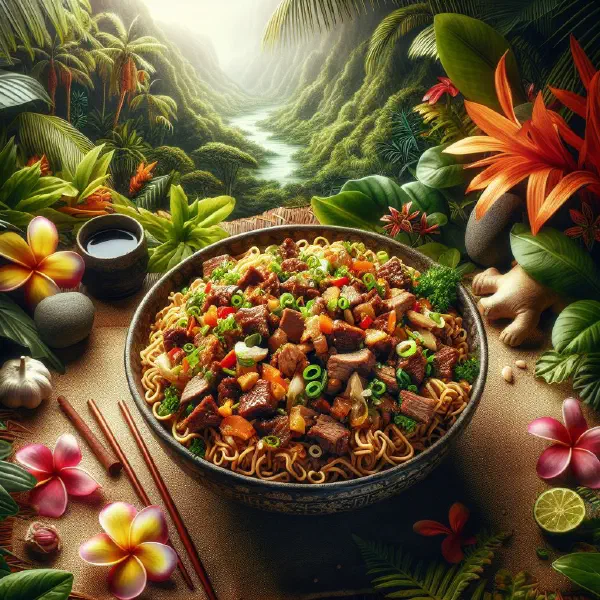
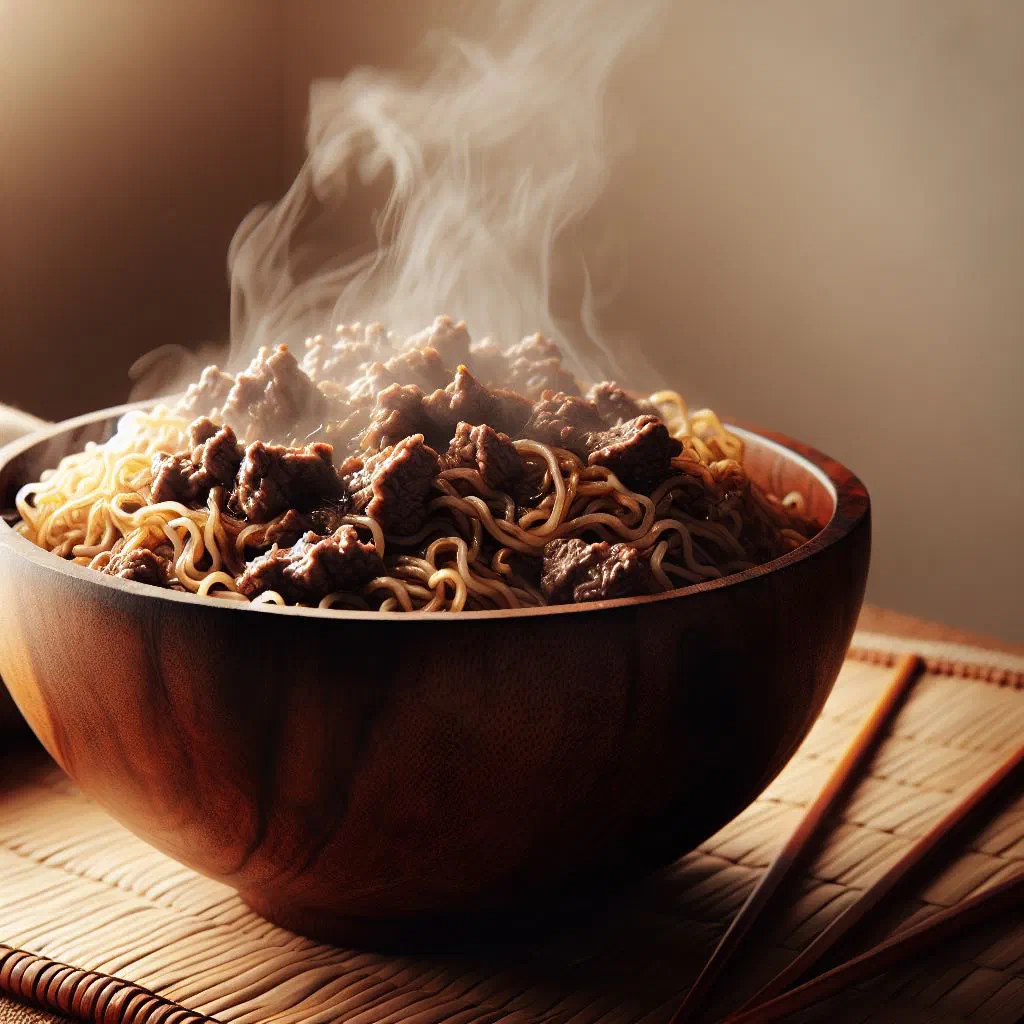
Meet Sapasui, Tonga’s much-loved answer to the noodle stir-fry. Silky glass noodles are tossed with tender marinated meat, crisp vegetables and a rich, savoury sauce that carries the warmth of soy and sesame oil. Reserved for feasts and special occasions across the islands, it is a dish that feels both light and satisfying. Bring a taste of the South Pacific straight to your own kitchen with this bright Polynesian favourite.
About Sapasui
Sapasui, also known as Tongan Noodle Salad, is a hugely popular dish in Tonga, often served at special occasions and festive gatherings. It brings together traditional Polynesian cuisine and more modern influences in a harmonious combination that wins people over with its distinctive flavour. The use of glass noodles is especially characteristic, lending the dish its light yet filling texture. A rich, aromatic sauce underlines the freshness of the ingredients and turns every mouthful into a memorable experience.
Ingredients (serves 1–2)
- 150 g glass noodles
- 200 g chicken breast or beef
- 1 carrot, julienned
- 1 pepper, cut into strips
- 1 onion, chopped
- 2 cloves garlic, finely chopped
- 3 tablespoons soy sauce
- 2 tablespoons sesame oil
- Salt and pepper to taste
Shopping for the ingredients
The ingredients for sapasui are easy to find in most supermarkets. Be sure to choose fresh, good-quality produce, particularly the meat and vegetables, to get the best flavour. Glass noodles are usually stocked in Asian grocery shops and can also be ordered online. Visit your local market and explore the variety of ingredients you will need for this dish.
Preparing the dish
Before you start cooking, it is important to have all your ingredients ready. Cut the vegetables into the shapes you want and marinate the meat for at least 30 minutes in soy sauce and sesame oil. This adds extra flavour and makes the meat more tender. Don’t forget to prepare the glass noodles according to the packet instructions so they do not turn mushy during cooking.
Step-by-step instructions
- Prepare the glass noodles according to the packet instructions and drain well.
- Heat the sesame oil in a large pan and sauté the chopped onion and garlic until golden brown.
- Add the marinated meat and cook until it is completely done.
- Add the prepared vegetables and stir-fry briefly until soft but still crisp.
- Tip the glass noodles into the pan and toss everything together well.
- Season with salt and pepper and serve hot.
Gluten-free / lactose-free version
For a gluten-free version of sapasui, use gluten-free soy sauce, and check that all the other ingredients are gluten-free too. A lactose-free option is easy, since the dish contains no dairy. Just make sure any pastes or dressings you add are lactose-free varieties. This means the recipe can be adapted with ease to suit your specific dietary needs.
Tips for vegans and vegetarians
To make sapasui vegan or vegetarian, swap the meat for tofu or a selection of vegetables such as courgette, broccoli or mushrooms. Marinate the tofu just as you would the meat to intensify the flavour. Make sure the soy sauce is free of animal products and reach for fresh, seasonal vegetables. These adjustments make the dish suitable for vegans and vegetarians and broaden the whole flavour experience. For another plant-forward island favourite, try Palusami.
More tips and tricks
To deepen the flavours of sapasui, add spices such as ginger or fresh herbs like coriander. Finishing the dish with toasted nuts or sesame seeds adds an extra crunch and makes it more visually appealing too. Experiment with different vegetable combinations and aromas to create your own unique version of the dish.
Adapting the recipe to your taste
One of the great strengths of sapasui is how adaptable it is. Use your favourite vegetables or cuts of meat, choosing whatever combines well together. If you like things hotter, add fresh chillies or a spoonful of chilli paste. The dish can be varied easily to reflect different culinary preferences and to please even the most discerning palate.
Ingredient substitutions
Instead of soy sauce, you could use teriyaki sauce for a different flavour profile. When it comes to the noodles, rice noodles make a good alternative, offering a different texture and clumping together less. The choice of vegetables can vary depending on what is in season or on your personal taste, much like the fresh, coconut-rich approach behind Talo with Coconut Cream. This way, anyone making sapasui can create their own version without losing the essence of the dish.
Drink pairing ideas
For the perfect way to enjoy sapasui, reach for light, refreshing drinks such as coconut water or a crisp white wine. If you prefer something non-alcoholic, homemade iced tea with a hint of citrus pairs beautifully. Exotic juices like pineapple or mango also echo the tropical flavours of Tonga and turn the meal into a real occasion, as does a glass of the island’s own Otai.
Serving and presentation ideas
Presentation plays an important role when serving sapasui. Bring the dish to the table in a large shallow bowl and garnish it with fresh herbs such as coriander or spring onions. A small dish of toasted nuts or sesame seeds alongside makes it look inviting and appetising. Take care, too, to make the dish colourful with a range of vegetables, reflecting the beauty and flavours of nature.
A bit of history
Sapasui has its roots in Polynesian cuisine and is a prime example of Tonga’s culinary traditions. Originally prepared by locals as a filling, nourishing meal, it has evolved over the years to become one of the best-known dishes in the Tongan repertoire. This combination of ingredients and flavours shows the cultural variety and the influence that different international cuisines have had on the local kitchen over time. As a result, sapasui is valued not just as food but as part of Tonga’s cultural identity, a cornerstone of Tongan cuisine enjoyed at feasts across the islands, from an Umu Feast to a family celebration.
More recipe ideas
Summary: Sapasui
Sapasui is a captivating dish, distinguished by its varied flavours and its adaptability. With tender glass noodles, freshly marinated meat or vegetables and a distinctive sauce, this recipe reveals the cultural influences of Tonga. Prepare sapasui and enjoy the culinary variety of this tropical paradise right in your own kitchen. Let it inspire you and take home a little piece of Tonga.