National Dish Trinidad and Tobago: Cassava Bread (Recipe)
In this article
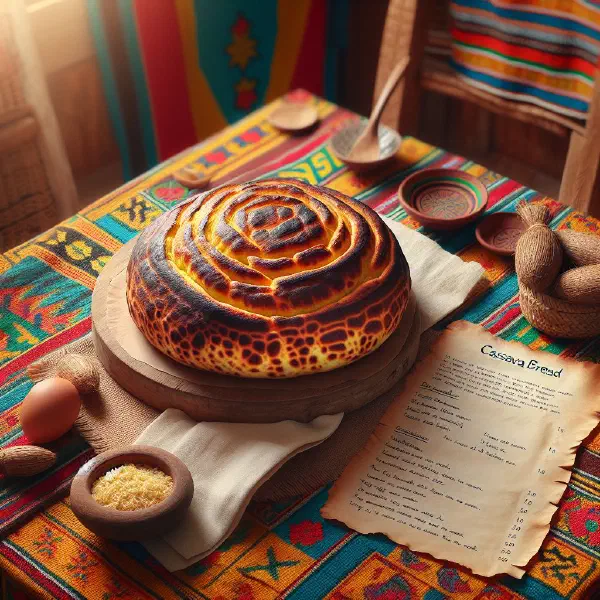
Discover cassava bread, one of the great staples of Trinidad and Tobago. Made from the humble cassava root, this simple flatbread delivers a wonderfully nutty flavour and a satisfying chew that has kept it on Caribbean tables for centuries. Naturally free of gluten and dairy, it is as inclusive as it is delicious, bake a batch and bring a taste of the islands into your own kitchen.
About Cassava Bread
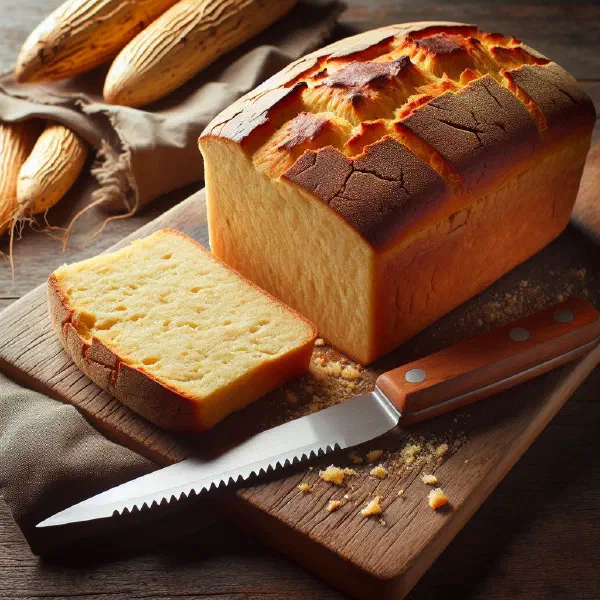
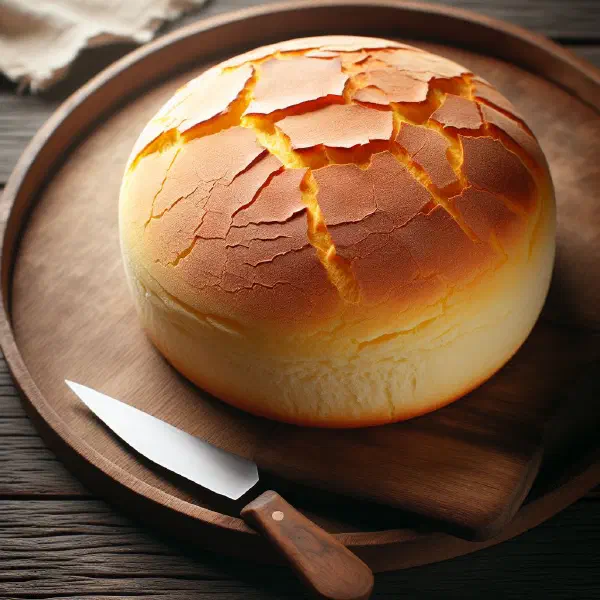
Cassava Bread is a traditional Caribbean dish made from the nourishing cassava root. This root vegetable is known for its remarkable versatility in the kitchen, including its use in bread-making. Preparing cassava bread is straightforward and a wonderful way to experience the culinary heritage of Trinidad and Tobago. With its distinctive texture and gently nutty flavour, cassava bread works just as well as a side dish as it does as a snack between meals, a fine introduction to Trinidadian cuisine.
Ingredients (serves 1–2)
- 250 g cassava
- 1/2 teaspoon salt
- 2 tablespoons coconut oil
- Water, as needed
Shopping for the ingredients
Before you start making cassava bread, gather everything you need. Cassava is available in many Asian and Caribbean grocery shops, both fresh and frozen. Take care to choose fresh, undamaged roots. If you cannot find coconut oil, other plant-based oils will do, though coconut oil gives the bread a particularly aromatic flavour.
Preparing the dish
Before cooking begins, the cassava needs to be prepared. This means peeling the root and cutting it into small pieces, which are then boiled. Boiling is essential to activate the starch in the cassava and give it the desired consistency. Once cooked, the cassava must cool thoroughly and be mashed into a smooth dough.
Step-by-step instructions
- Peel the cassava and cut it into small pieces.
- Boil the pieces in a pan of water until soft (about 20 minutes).
- Drain after cooking and leave to cool.
- Mash the cooked cassava until you have a smooth paste.
- Add the salt and coconut oil to the mash and mix well.
- Shape the dough into a flat round on a lightly floured surface.
- Cook in a frying pan over medium heat until golden brown (about 3–4 minutes per side).
Gluten-free / lactose-free version
Cassava bread is naturally gluten-free and lactose-free, since its main ingredient, cassava, contains neither gluten nor dairy. That makes it an ideal choice for anyone with a gluten intolerance or lactose sensitivity. Using coconut oil also turns the bread into a wholesome, delicious option for many different diets.
Tips for vegans and vegetarians
Cassava bread is an excellent vegan dish that is as satisfying as it is tasty. Vegans can rest assured that every ingredient is plant-based, and the recipe is easy to adapt to taste. The coconut oil, for instance, can be swapped for another plant-based oil. For extra flavour, herbs and spices can be worked into the dough to vary the bread.
More tips and tricks
To make sure your cassava bread turns out well every time, it is important to cook the cassava thoroughly and knead the dough properly. If the dough feels too dry, add a splash of water to improve the consistency. Let the bread cool on a wire rack after cooking so it keeps its crispness and does not turn soggy. With a little practice, you will soon be a master of cassava bread, and ready to try Fried Cassava next.
Adapting the recipe to your taste
Cassava bread is easy to tailor to personal preference. Add diced onions or garlic to the dough for a savoury note, for example. For a sweet variation, a little honey or cinnamon works beautifully. There are many ways to vary this recipe so it suits different dishes and occasions.
Ingredient substitutions
If you are looking for alternatives to certain ingredients, there are plenty of options. Instead of coconut oil, olive oil or avocado oil can be used, depending on the flavour you are after. If fresh cassava is hard to come by, cassava flour makes for a quicker preparation. Just adjust the quantity accordingly and use roughly half the amount of flour compared with the fresh root.
Drink pairing ideas
To round off your cassava bread perfectly, pair it with traditional drinks from Trinidad and Tobago. A refreshing Mauby Drink or a glass of fresh pineapple juice would be a superb match. Even a simple glass of water with a squeeze of lime rounds out the flavours nicely, a chilled Ginger Beer is another island favourite. Experiment with different drinks to find your own favourite pairing.
Serving and presentation ideas
Presentation can lift the whole cassava bread experience. Serve the freshly baked bread on a rustic wooden board and garnish it with fresh herbs or slices of avocado and tomato. A small bowl of dip, such as guacamole or salsa, adds a splash of colour and variety. Get creative with the presentation to make the dish look inviting and leave a lasting impression.
A bit of history
Cassava has a long history in Caribbean cooking and was a central food source for many indigenous peoples. The bread is a symbolic dish that reflects the traditions and culture of Trinidad and Tobago. There are many variations and preparation methods, but the basic recipe remains widespread across the region. Cooking and baking cassava bread celebrates not just the culinary but also the cultural heritage of these fascinating islands.
More recipe ideas
- Roti — another traditional Caribbean flatbread.
- Callaloo — a hearty dish of leafy greens and coconut milk.
- Cassava Pone — a sweet baked treat made from the same beloved root.
Summary: Cassava Bread
Cassava bread is part of the rich cultural heritage of Trinidad and Tobago. With its unique texture and gently nutty flavour, this dish is very good for palate and spirit alike. Its simple preparation means you can achieve delicious results even without much cooking experience. Let this traditional dish inspire you and bring the flavours of the Caribbean into your kitchen.