National Dish Trinidad and Tobago: Cow Heel Soup (Recipe)

In this article
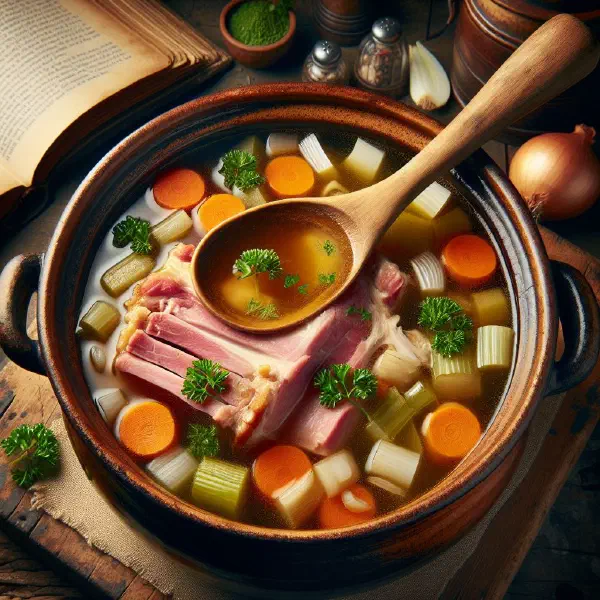
Discover Cow Heel Soup, one of Trinidad and Tobago’s most cherished comfort dishes. This deeply savoury Caribbean soup slowly simmers tender cow heel with fresh vegetables and aromatic herbs until every spoonful is rich, warming and full of island character. Whether ladled out at a weekend lime or enjoyed as a restorative weeknight supper, it brings the flavours of the Caribbean straight to your table.
About Cow Heel Soup
Cow Heel Soup is a traditional national dish of Trinidad and Tobago that appeals to locals and visitors alike. This hearty soup is nourishing and rich in flavours that reflect the cultural diversity of the Caribbean. Its main ingredient, cow heel, lends the broth a silky, tender texture and plenty of depth. Combined with fresh vegetables and aromatic seasonings, the result is an unmistakable eating experience, much like the beloved Corn Soup, it is a staple of Trini street corners and family kitchens.
Ingredients (serves 1–2)
- 300 g cow heel, well cleaned and cut into pieces
- 1 onion, chopped
- 2 garlic cloves, chopped
- 1 carrot, diced
- 1 potato, diced
- 2 sticks of celery, chopped
- 2 teaspoons thyme
- 1 teaspoon black pepper
- 1 teaspoon paprika
- Salt to taste
- Water or stock as needed
Shopping for the ingredients
To make this delicious cow heel soup, it is important to source the right ingredients. Visit local markets, where you can find fresh vegetables and spices at their best. Make sure the cow heel comes from a trusted butcher, as the quality of the meat is crucial to the final result. Keep an eye on the freshness of the other ingredients too, so you get the fullest possible flavour.
Preparing the dish
The preparation of cow heel soup is a simple but important step that shapes the flavour of the whole pot. Begin by cleaning the cow heel thoroughly and cutting it into suitable pieces. All the other ingredients should be washed and prepped before you start cooking. Careful preparation ensures even cooking times and a harmonious, well-balanced soup.
Step-by-step instructions
- Place the cow heel in a large pot and cover with water or stock.
- Bring to the boil, then simmer over low heat for about 2 hours.
- Add the onion, garlic, carrot, potato and celery.
- Stir in the seasonings (thyme, black pepper, paprika, salt) and mix well.
- Simmer for a further 30 minutes, until the vegetables are cooked through.
- Taste, adjust the seasoning and serve hot.
Gluten-free / lactose-free version
The recipe for cow heel soup is naturally gluten-free and lactose-free, as it contains no cereal products or dairy. It is therefore an excellent choice for anyone with intolerances. Do take care, however, to choose a stock and any pre-prepared ingredients that are also free from gluten. That way everyone can enjoy this delicious soup, whatever their dietary needs.
Tips for vegans and vegetarians
For vegans and vegetarians who want to experience the flavours of cow heel soup, several adaptations work well. Instead of cow heel, use a combination of flavourful vegetables and pulses to provide body and protein. The stock can be replaced with vegetable stock to deepen the taste. These options preserve the character of the traditional soup while keeping it suitable for a meat-free diet.
More tips and tricks
A perfect cow heel soup can be fine-tuned with a few simple tips and tricks. Let the soup rest in the fridge for several hours or overnight so the flavours can fully develop. Experiment with additional spices such as cumin or chilli to add a personal touch. And do not forget to garnish the soup with fresh herbs like coriander or parsley just before serving.
Adapting the recipe to your taste
Cow heel soup is extremely adaptable and easy to adjust to personal preference. Like it hotter? Add more chilli for an extra kick of heat. For a creamier texture, stir in a little coconut milk, which brings another layer of delicious flavour. You can also vary the vegetables depending on what is available in your area or what suits your own taste.
Ingredient substitutions
If you cannot find some of the ingredients, or simply prefer alternatives, there are plenty of options. Instead of cow heel you could use chicken, or even tofu for a plant-based version, a hearty stew like Sancoche shows just how flexible Trini one-pot cooking can be. For the liquid, flavoured stocks add extra depth. These alternatives let you adapt the recipe and still end up with a wonderfully tasty soup.
Drink pairing ideas
Cow heel soup pairs beautifully with drinks that complement its flavours. A cold Caribbean beer is a refreshing choice that balances the soup’s spices wonderfully. Alternatively, a fruity cocktail with lime and mint makes an excellent match, as does a homemade Ginger Beer. Even a simple glass of water with a squeeze of lemon can help lift the aromas of the soup.
Serving and presentation ideas
An appealing presentation makes the meal delicious and a feast for the eyes. Serve the cow heel soup in large, deep bowls and garnish with fresh herbs such as parsley or coriander. A few lime wedges on the side add a lovely splash of colour. Colourful, Caribbean-style crockery is a nice way to reflect the cultural background of the soup.
A bit of history
Cow heel soup comes from the Caribbean kitchen and has its roots in the Afro-Creole culture of Trinidad and Tobago. Historically, cow heel was an inexpensive cut used to create nourishing meals for large families. The combination of spices and fresh ingredients reflects the many cultures that have shaped Trinidad and Tobago’s cuisine over the years. This soup has grown into a symbol of Caribbean hospitality and celebration.
More recipe ideas
Summary: Cow Heel Soup
Cow heel soup is a hearty and aromatic dish that perfectly embodies the culinary tradition of Trinidad and Tobago. With its blend of tender cow heel, fresh vegetables and carefully chosen spices, it is a true taste experience. This dish is sure to be a hit for any occasion. Let the variety and history behind this soup inspire you, and enjoy the flavours of the Caribbean in your own home.