National Dish Trinidad and Tobago: Shrimp Creole (Recipe)
In this article
Meet Shrimp Creole, a true celebration of Caribbean flavour from Trinidad and Tobago. Plump, juicy prawns are simmered in a hearty tomato sauce laced with peppers, onions and warming spices, a dish that comes together in minutes yet tastes like a holiday in the tropics. This recipe brings sunshine straight to your table, with plenty of tips for gluten-free, vegan and personalised twists along the way.
About Shrimp Creole
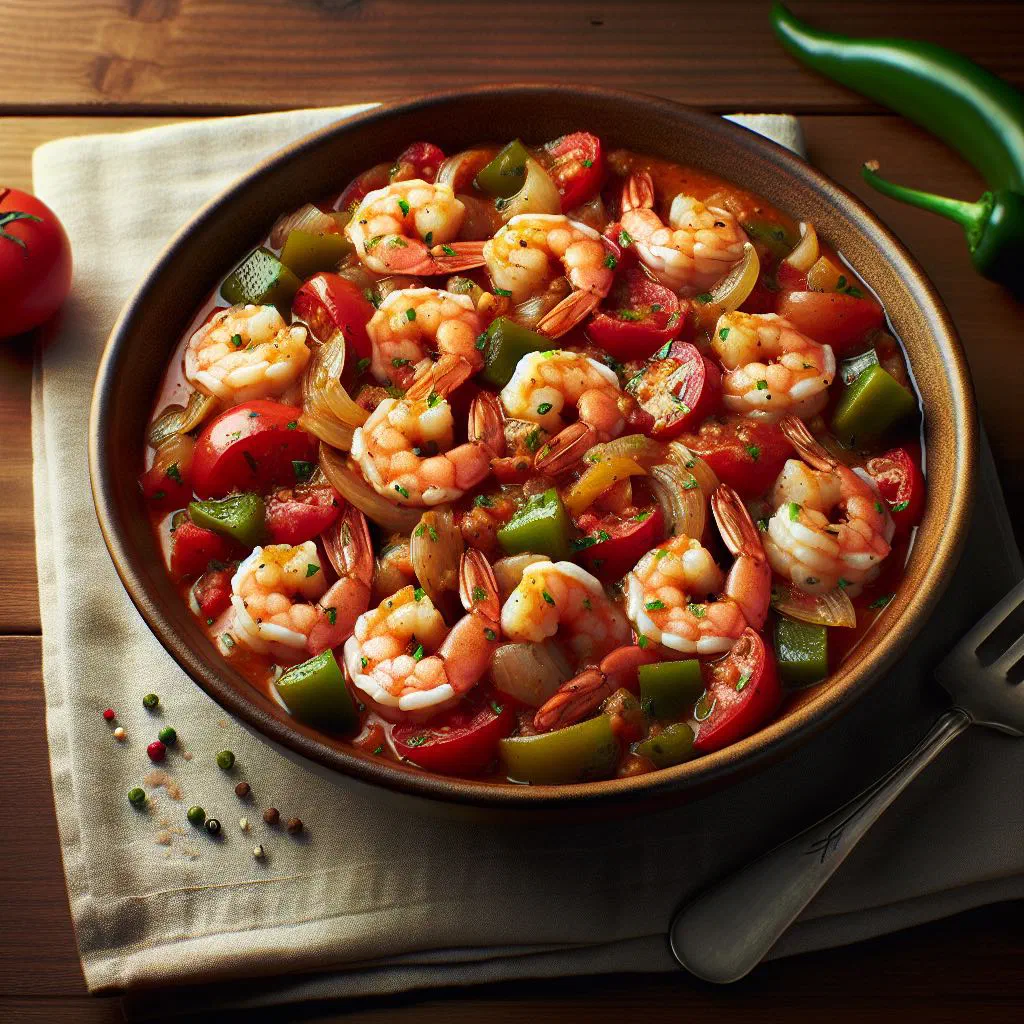
Shrimp Creole is a real feast of aromas and a much-loved national dish of Trinidad and Tobago. The dish captivates with its combination of fresh prawns and a hearty, spiced tomato sauce. The sauce is rounded out with ingredients such as peppers and onions, which give the dish its distinctive character. With its perfectly balanced spicing, shrimp creole is a superb showcase for the richness of Trinidad and Tobago’s cuisine.
Ingredients (serves 1–2)
- 300 g fresh prawns, peeled and deveined
- 2 large tomatoes, diced
- 1 onion, finely chopped
- 1 red pepper, diced
- 2 garlic cloves, finely chopped
- 1 teaspoon paprika
- 1 teaspoon cumin
- 1 tablespoon olive oil
- Salt and pepper to taste
- Fresh coriander, to garnish
Shopping for the ingredients
The fresh ingredients for shrimp creole are best sourced at a local market. Take care to choose prawns of high quality, ideally fresh and sustainably caught. Fresh vegetables, particularly the tomatoes and peppers, are crucial to the flavour of the dish. If you have trouble tracking down certain ingredients, it is worth looking out for good-quality produce in larger supermarkets.
Preparing the dish
The preparation for shrimp creole is quick and straightforward. Start by cleaning the prawns thoroughly and getting all the other ingredients ready. Dice the onion, pepper and tomatoes into small pieces so they cook evenly in the sauce. These simple steps ensure the aromas develop fully and the dish comes together harmoniously.
Step-by-step instructions
- Heat the olive oil in a pan and sauté the onion and garlic until soft.
- Add the pepper and fry for a further 2–3 minutes.
- Add the diced tomatoes to the pan together with the paprika and cumin.
- Let the sauce simmer over a medium heat until the tomatoes have softened and a sauce forms.
- Add the prepared prawns and cook until they are completely done and tender (about 5 minutes).
- Season with salt, pepper and fresh coriander.
Gluten-free / lactose-free version
Shrimp creole is naturally gluten-free and lactose-free, as it contains no ingredients that carry these allergens. Do check, however, that any spices and oils you use are also certified gluten-free. This makes the dish ideal for anyone with the corresponding food intolerances. Enjoy it to the full without having to worry about possible reactions.
Tips for vegans and vegetarians
For vegans and vegetarians there are some wonderful alternatives to shrimp creole. Replace the prawns with firm tofu or even plant-based vegan prawns, which are now available in many supermarkets. The remaining ingredients and the method stay exactly the same, so the flavours of the dish are preserved. That way vegetarians and vegans can savour Caribbean cooking to the full as well.
More tips and tricks
A few simple tricks make cooking shrimp creole easier and better. Try lightly toasting the spices before adding them to the sauce to intensify their aromas. Make sure you use fresh herbs to deepen the flavour. A squeeze of lemon or lime also adds welcome freshness and lifts the whole dish.
Adapting the recipe to your taste
The beauty of shrimp creole is its versatility. Adjust the heat by adding more or less chilli, depending on your personal taste. For a creamier version, stir in a splash of coconut milk, which lends the dish a tropical note. Experiment with different vegetables such as courgette or aubergine to create unique flavour combinations.
Ingredient substitutions
If certain ingredients for shrimp creole are missing, there are plenty of alternatives. Instead of fresh tomatoes you can use tinned or passata-style tomatoes, which make the preparation even simpler. For anyone with allergies or intolerances, ready-made spice blends can also be used to keep the taste and aroma on track. Be creative and discover new combinations, the same resourcefulness that makes a dish like Curry Shrimp such a household favourite.
Drink pairing ideas
To complement the aromas of shrimp creole, choose refreshing drinks. A cold Caribbean lager is an excellent companion. A classic mojito or a fruity caipirinha also harmonises beautifully with the spices of the dish. Non-alcoholic options such as home-made limeade, a chilled hibiscus tea or a local Mauby Drink bring a cooling note to the meal.
Serving and presentation ideas
The presentation of shrimp creole should be just as appealing as the flavour. Serve the dish in a colourful, decorative bowl and garnish it with fresh herbs such as coriander or basil. A few lime wedges arranged around the plate add visual appeal and an extra splash of colour. An appetising presentation is sure to make the meal a memorable one.
A bit of history
Shrimp creole has its roots in the rich culinary tradition of Trinidad and Tobago, where different cultures meet and shape one another’s kitchens. Caribbean cuisine is renowned for its diverse flavours, influenced by the islands’ indigenous peoples, European colonists and African traditions alike. This fascinating blend is reflected in the ingredients and techniques used in this dish. Over the years the recipe has continued to evolve and is cherished today in restaurants and home kitchens alike.
More recipe ideas
Summary: Shrimp Creole
Shrimp creole is a delicious and versatile dish that brings the flavours of the Caribbean to your plate. With fresh prawns, a spiced tomato sauce and simple preparation steps, it suits beginner cooks and experienced palates alike. Enjoy it with rice or fresh bread and experience the joy and vibrancy of Caribbean cooking in your own home. Let the aromas win you over and share a memorable evening with friends and family.