National Dish Tunisia: Bessara (Recipe)
In this article
Say hello to Bessara, a warming pea soup that sits close to the heart of Tunisian home cooking. This simple, nourishing bowl brings together earthy dried peas, fragrant cumin and a generous swirl of olive oil for something that feels both humble and generous. Long a symbol of Tunisian hospitality, it is the kind of dish you make to share. Perfect with a hunk of crusty bread and good company around the table.
About Bessara
Bessara is a traditional Tunisian pea soup, celebrated for its comforting preparation and its use of aromatic spices. Across Tunisia it is often served as everyday home cooking, prized for its nutrient-rich make-up and its ability to satisfy without fuss. More than just a popular dish, it is a mark of the warm hospitality Tunisians are known for. The recipe has evolved over the years, yet it remains an important part of Tunisian culture and a fixture on many family tables.
Ingredients (serves 1–2)
- 200 g dried green peas
- 1.5 litres water
- 1 onion, diced
- 2 cloves garlic, chopped
- 1 teaspoon cumin
- 2 tablespoons olive oil
- Juice of one lemon
- Salt and pepper, to taste
- Fresh parsley, to garnish
Shopping for the ingredients
To make bessara, look for the main ingredients, dried green peas and spices, at a well-stocked grocery shop or an international food market. Dried peas are usually found in the dry goods or tinned-goods aisle, while fresh herbs such as parsley turn up in most supermarkets or at a local farmers’ market. When buying olive oil, choose good quality, as it is a central part of the soup’s flavour and lifts the whole dish.
Preparing the dish
Before you start cooking bessara, the dried peas should be soaked in water for a few hours. This makes them easier to cook and shortens the simmering time, while also making the peas gentler on the stomach. In the meantime, prepare the onion and garlic by dicing and chopping them, so the cooking process moves along quickly once you begin.
Step-by-step instructions
- Drain the soaked peas and add them to a large pot along with 1.5 litres of water.
- Add the diced onion and the chopped garlic.
- Bring the water to the boil, then reduce the heat and let the peas simmer for around 30–40 minutes.
- Once the peas are soft, purée the mixture until you reach a creamy consistency.
- Stir in the olive oil, lemon juice and spices, then bring back to a brief boil.
- Ladle the soup into bowls and garnish with fresh parsley.
Gluten-free / lactose-free version
Bessara is naturally gluten-free and lactose-free, as long as you avoid adding anything that contains gluten or lactose, such as certain stocks or cream. Built on nothing more than water and fresh ingredients, this soup is an ideal choice for anyone with intolerances. The recipe is also easy to adjust. Simply reach for certified gluten-free spices to be sure every element stays safe.
Tips for vegans and vegetarians
Bessara is already a vegan dish, as it contains no animal products at all. Health-conscious cooks can add extra vegetables such as carrots or celery to vary the flavour and texture. Choose good-quality plant oils to make the most of the nutritional value, and for a heartier bowl you can also stir in beans as an added source of protein. It is a naturally plant-based recipe that welcomes gentle tweaks.
More tips and tricks
One key tip for making bessara is to soak the peas well, which shortens the cooking time considerably. You can also experiment with the spices to achieve different flavour profiles, a touch of mint or a pinch of paprika, for instance, brings a pleasant warmth. Serving the soup with a piece of fresh, crusty bread turns it into a complete meal, much like a bowl of hearty Lablabi.
Adapting the recipe to your taste
Bessara can be adjusted entirely to suit your palate. If you prefer a creamier consistency, add a little more olive oil or even a splash of plant-based cream. The seasoning can be varied too. Try different herbs such as thyme or oregano for extra aroma. The important thing is to choose your ingredients and spices to match your personal taste, so you arrive at the perfect result for you.
Ingredient substitutions
If you do not have green peas to hand, you can also use other pulses such as yellow split peas or lentils, which offer similar flavour qualities and are just as nourishing. The choice of olive oil matters too; a good extra-virgin olive oil lends the dish a special character. Feel free to experiment with different oils to discover new flavour experiences, in the same spirit as a warming Tunisian Lentil Soup.
Drink pairing ideas
Bessara goes beautifully with drinks such as minty tea or refreshing fruit juices. A glass of Tunisian wine is another excellent match, as the interplay of flavours heightens the whole culinary experience. If you would rather have something non-alcoholic, sparkling water or a fresh lemon-mint drink is ideal for accompanying the soup and cutting through its richness.
Serving and presentation ideas
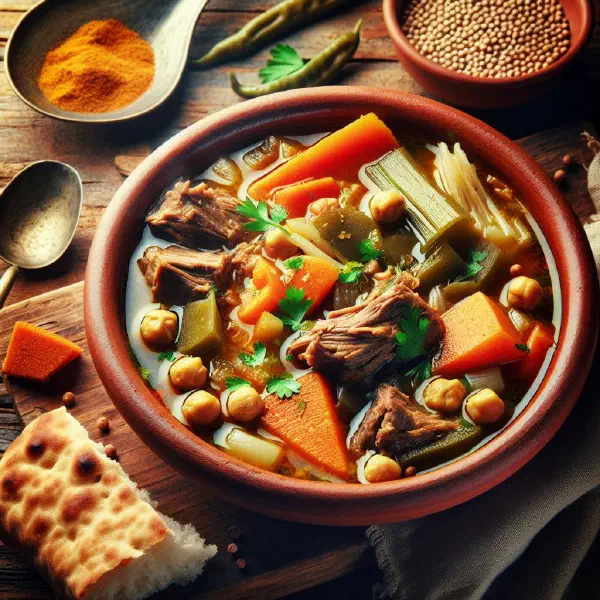
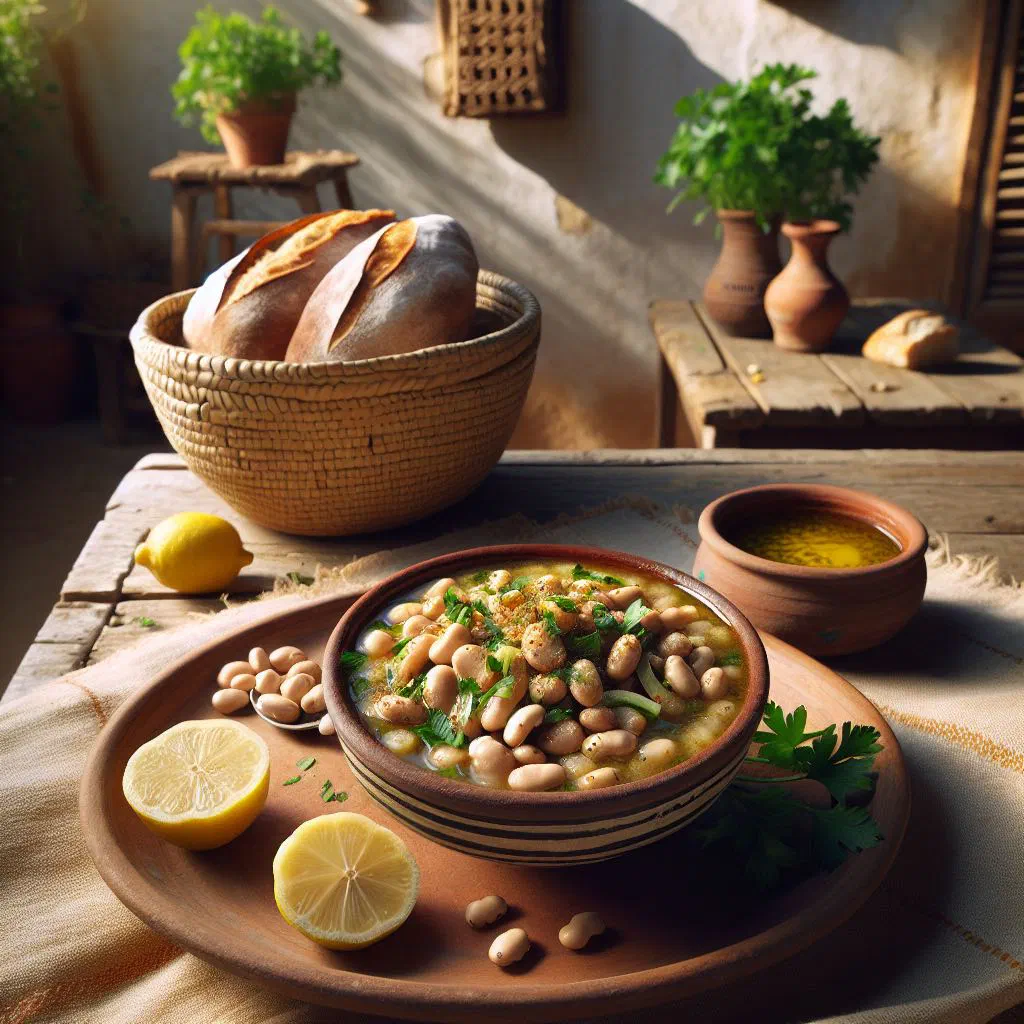
For an appealing presentation, serve bessara in attractive ceramic bowls and garnish with fresh parsley. A splash of lemon juice over the top adds a bright note and looks inviting. Serving alongside crusty bread on a wooden board gives the whole thing a rustic feel. Keep the colours of the ingredients in harmony to make the dish look even more appetising.
A bit of history
Bessara has a long history and has been a firm fixture of Tunisian cooking for centuries. Originally conceived as a nourishing meal for labourers, the recipe has evolved over time. The soup reflects the culinary diversity of Tunisia, a region well known for its spices and aromatic ingredients that also shine in classic Tunisian cuisine. More than a dish for solitary enjoyment, this hearty soup stands for communal eating with family and friends.
More recipe ideas
Summary: Bessara
Bessara is a warm and inviting dish that wonderfully represents the cooking of Tunisia. The combination of nourishing peas, aromatic spices and fresh olive oil makes it a special treat for any occasion. Bessara is always a hit with guests and family alike. Let this traditional recipe inspire you, and enjoy a taste of Tunisian hospitality in your own home.