National Dish Tunisia: Bulgur (Recipe)
In this article
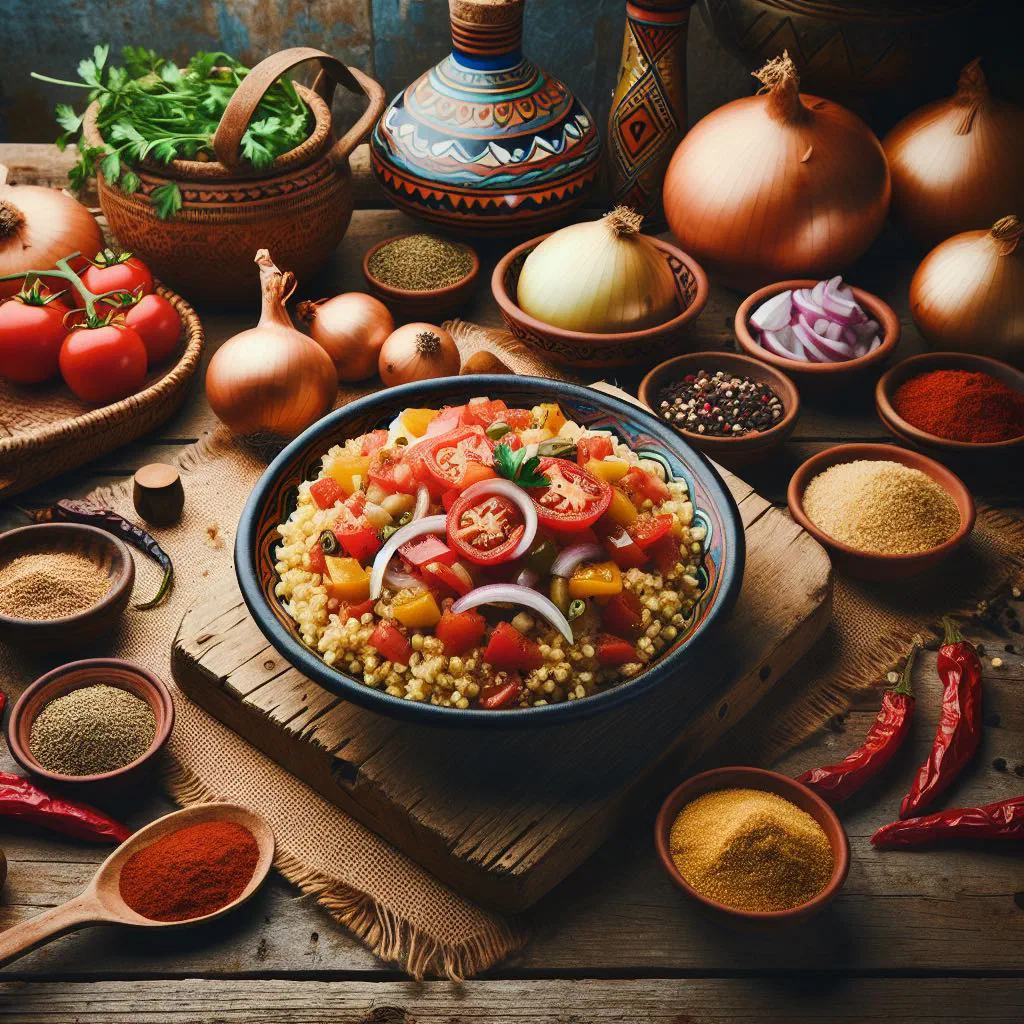
Discover Bulgur, a wonderfully versatile staple of Tunisia’s kitchen. Made from parboiled, dried wheat, it soaks up aromatic spices and cooks in next to no time, which makes it a favourite for busy days. Warm with cumin and sweet paprika and studded with tender vegetables, this dish carries the flavours of North Africa straight to your table, comforting enough for a quiet weeknight, yet special enough for guests.
About Bulgur
Bulgur is a traditional dish from Tunisia and one of the best-loved staples of North African cooking. It is made from parboiled, dried wheat that is then coarsely or finely ground. This method gives the grain a rich, nutty flavour and keeps the cooking time short, making bulgur an ideal choice for anyone with a busy schedule. Its versatility shines through in the sheer number of ways it can be prepared, from simple side dishes to hearty main courses.
Ingredients (serves 1–2)
- 200 g bulgur
- 1 onion, diced
- 2 cloves of garlic, chopped
- 1 pepper, diced
- 500 ml vegetable broth
- 2 tablespoons olive oil
- 1 teaspoon cumin
- 1 teaspoon paprika
- Salt and pepper, to taste
- Fresh parsley, to garnish
Shopping for the ingredients
To prepare bulgur you will need a mix of fresh and dried ingredients, most of which are easy to find in any well-stocked supermarket or local market. When buying the bulgur itself, look for a good-quality brand, as this forms the foundation of the dish’s flavour. Fresh vegetables such as peppers and onions ensure the meal is tasty and nutritious and full of colour.
Preparing the dish
Before you start cooking bulgur, it helps to have everything ready to go. Begin by dicing the vegetables and chopping the garlic and onions. These steps make the cooking process smoother and keep things running without a hitch. Make sure your vegetable broth is ready too, as it flavours the bulgur beautifully and gives it a wonderful, fluffy consistency.
Step-by-step instructions
- Heat the olive oil in a large pan and add the diced onion.
- Sauté the onion over medium heat until translucent, then stir in the garlic.
- Add the diced pepper along with the spices — cumin and paprika — and fry briefly to release the aromas.
- Add the bulgur and stir well so it is evenly coated with the spices.
- Pour in the vegetable broth, bring everything to the boil, then lower the heat and let the bulgur simmer for about 10–12 minutes.
- Once the time is up, check that the bulgur has fully absorbed the liquid, leaving it a little longer if needed.
- Serve the bulgur hot, garnished with fresh parsley.
Gluten-free / lactose-free version
Bulgur is made from wheat, which means it is not gluten-free. For a gluten-free version, use quinoa or rice instead. These alternatives offer a similar texture and slot easily into the cooking process. The remaining ingredients are all lactose-free, which makes bulgur a suitable choice for anyone who is lactose intolerant.
Tips for vegans and vegetarians
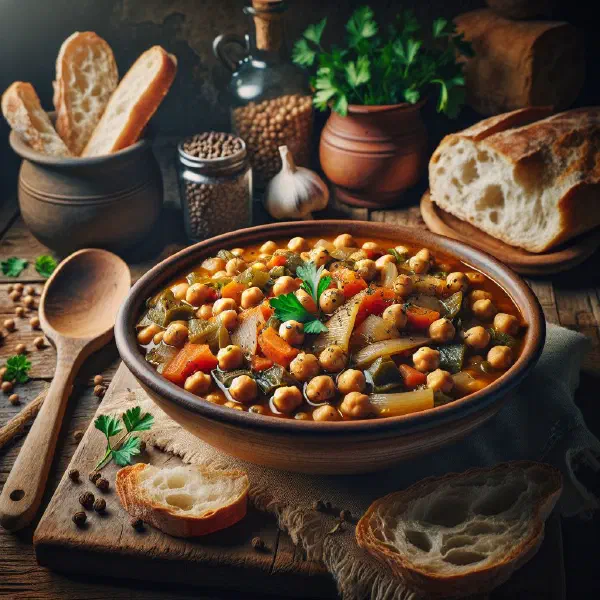
Bulgur is naturally a great choice for vegans and vegetarians, as it contains no animal products at all. You can easily adapt the recipe by using a vegetable broth and adding extra vegetables such as courgette or aubergine. A handful of chickpeas provides an additional source of protein and makes the dish more filling, much like a hearty Chickpea Stew. Experiment with different spices to fine-tune the flavour to your liking.
More tips and tricks
For an even more aromatic result, let the bulgur rest, covered, for a few minutes after cooking. This gives the flavours time to develop fully. You can also get creative with different vegetable mixes, depending on the season or your personal taste. Finishing the dish with a squeeze of fresh lemon juice just before serving lifts the aromas and adds a pleasant hit of acidity.
Adapting the recipe to your taste
Bulgur is wonderfully adaptable, so you can tweak it to suit your own preferences. Add dried fruit such as apricots or raisins for a touch of sweetness, in the spirit of a Bulgur Pilaf. A scattering of nuts brings extra crunch and makes the dish even more nourishing. Let your imagination run free and create a bulgur recipe that is entirely your own.
Ingredient substitutions
If you find yourself without certain ingredients, there are plenty of alternatives to hand. In place of peppers you could use carrots or broccoli, for example. If cumin is not to your taste, try thyme or oregano to give the dish a different flavour profile. Be open to new combinations and adjust the recipe to fit your own preferences and what is in season.
Drink pairing ideas
A range of drinks pairs beautifully with an aromatic dish like bulgur. A fruity rosé wine or a refreshing mint tea complements it perfectly. For an alcohol-free option, freshly squeezed lemon juice topped up with sparkling water makes an ideal, palate-cleansing match.
Serving and presentation ideas
Presentation can lift the whole bulgur experience. Serve the dish in a large, colourful bowl and garnish it with fresh parsley and a slice of lemon. A few edible flowers add a lovely visual accent, as they might on a plate of Vegetable Couscous. Enjoy the meal in a relaxed, welcoming setting to let the flavours truly come into their own.
A bit of history
Bulgur has a long history in North African cooking and has been prepared across the region for centuries. It is regarded as a nourishing foundation found in many kitchens of the area. In Tunisia, bulgur is prized as a side dish and as a main course, often combined with a variety of vegetables and spices. This tradition reflects the cultural richness of Tunisian cuisine and shows just how central the shared meal is to North African life, alongside classics like Couscous.
More recipe ideas
Summary: Bulgur
Bulgur is an exceptionally versatile and flavourful dish that can be prepared in countless variations. The combination of aromatic vegetables and a generous mix of spices makes it a highlight on any table. Bulgur brings a taste of North African cooking straight into your kitchen. Give it a try and let the delicious flavours of Tunisia work their magic.