National Dish Tunisia: Chmenka (Recipe)
In this article
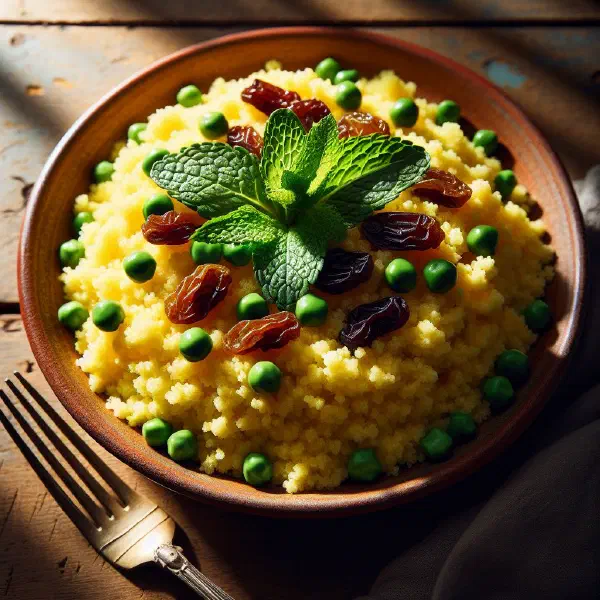
Meet Chmenka, a comforting Tunisian dish traditionally made to mark the harvest. It brings together cracked wheat, sweet dried fruit and a fragrant blend of warming spices for a bowl that is as nourishing as it is heartfelt. Every family keeps its own version, passed quietly down the generations, so this recipe is really an invitation to make it your own. Bring a taste of Tunisian hospitality to your table with this gently spiced, wholesome treat.
About Chmenka
Chmenka is a traditional Tunisian dish, prepared above all during the celebration of the harvest. It is a harmonious combination of cracked wheat, dried fruit and various spices that complement one another beautifully. The dish reflects the culinary diversity of Tunisia and the warmth and hospitality of its people. Many families have their own variations and traditions, handed down from one generation to the next, which is part of what makes it so special within Tunisian cuisine.
Ingredients (serves 1–2)
- 100 g cracked wheat
- 50 g dried fruit (e.g. dates, apricots, raisins)
- 1 tsp cinnamon
- 1 tsp nutmeg
- 2 tbsp honey or sugar
- 1 pinch of salt
- 250 ml water or milk
Shopping for the ingredients
To make an authentic chmenka, it is worth sourcing the right ingredients. Visit a local market or a specialist North African or Middle Eastern grocery to find fresh, good-quality produce. Look out for dried fruit without added preservatives so the true flavour comes through. Ideally, buy your cinnamon and nutmeg whole and grind them fresh to release their full aroma. A little care at the shopping stage makes all the difference to the finished dish.
Preparing the dish
Preparing chmenka is straightforward and calls for no special cooking techniques. First, the dried fruit should be soaked in warm water so it softens and turns more aromatic. While the fruit soaks, you can combine the cracked wheat with water or milk and bring it to the boil. This sets the base for the dish and helps the flavours meld together as they cook.
Step-by-step instructions
- Bring the soaked wheat to the boil in a pan with water or milk.
- Simmer gently over low heat for about 15–20 minutes, until the wheat is soft.
- Meanwhile, chop the dried fruit into small pieces.
- Take the cooked wheat off the heat and stir in the fruit, cinnamon, nutmeg, honey and salt.
- Mix everything well and leave to rest for a few minutes so the aromas develop.
- Serve the chmenka warm and, if you like, garnish with a little extra dried fruit.
Gluten-free / lactose-free version
If you would like a gluten-free or lactose-free version of chmenka, you can replace the cracked wheat with gluten-free oats or quinoa. Use plant-based milk such as almond or soya in place of dairy milk to keep it lactose-free. These swaps do not compromise the flavour and still deliver a delicious result. Enjoy the dish to the full, without having to make any concessions.
Tips for vegans and vegetarians
For vegans, chmenka is already a great choice, as the main ingredients are plant-based. To make it even more nourishing, you can add nuts or seeds, which provide healthy fats and deepen the dish’s nutty character. Simply avoid the honey and reach instead for a plant-based sweetener to keep the recipe fully vegan.
More tips and tricks
There are countless ways to make chmenka your own. Experiment with different spices, or add fresh touches such as mint or lemon zest to bring a lively note to the dish. Pay attention to the texture, adjusting it by varying the amount of liquid you use. A well-balanced ratio keeps the chmenka creamy and full of flavour.
Adapting the recipe to your taste
Chmenka leaves plenty of room for adjusting to your personal preferences. Feel free to play with the mix of dried fruit to bring your favourite varieties to the fore. Extra spices such as cardamom or vanilla also work beautifully and lend the dish a new dimension. Remember that it can be either sweet or savoury, depending on how you choose to prepare it, much like the sweeter side of a Zriga.
Ingredient substitutions
If certain ingredients are not to hand, there are plenty of alternatives you can use. In place of dried fruit, try fresh fruit or other dried varieties, according to the season and what is available. If you cannot find cracked wheat, rice or millet work well too, the same wholesome grains that shine in a Masfouf. This gives the dish a slightly different character without losing the essence of chmenka.
Drink pairing ideas
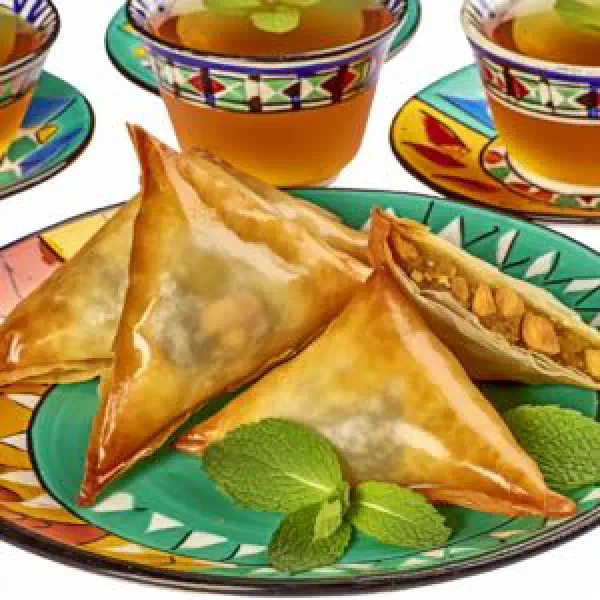
Plenty of drinks pair well with chmenka and complement its flavours. A cool, fresh mint tea is an excellent choice, balancing the sweetness of the dish. Alternatively, serve pomegranate juice, whose fruity acidity harmonises wonderfully. For a simple option, sparkling mineral water with a squeeze of lemon and a few fresh herbs works a treat.
Serving and presentation ideas
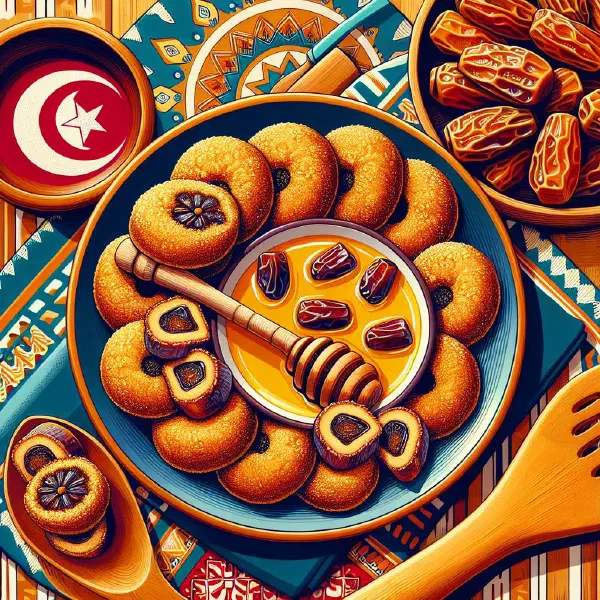
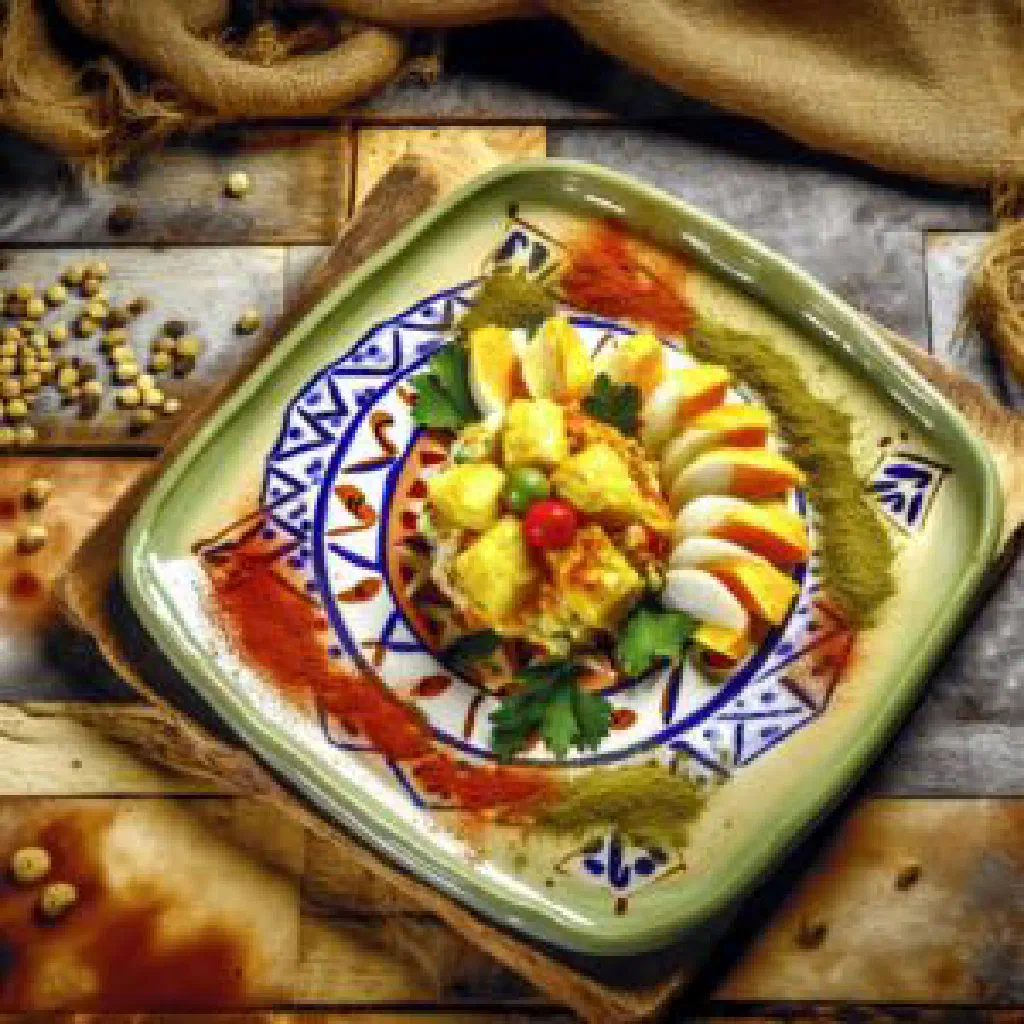
Presentation can add a great deal to the chmenka experience. Serve the dish in an attractive bowl and garnish with fresh nuts and dried fruit to bring colour and texture. A light drizzle of honey or sugar syrup over the finished dish adds an appealing shine. Above all, remember to enjoy it in good company, honouring the tradition of sharing, as you might with a plate of Makroud.
A bit of history
Chmenka has a long history, closely tied to the harvest season. The dish was traditionally made to celebrate the abundance and reward of the harvest. It symbolises the togetherness of a community gathering around the table to share a meal. To this day, chmenka remains an important dish in Tunisian culture, often served at festive occasions to honour guests.
More recipe ideas
Summary: Chmenka
All in all, chmenka is a delicious and nourishing dish and a symbol of hospitality and tradition in Tunisia. The harmonious blend of cracked wheat, dried fruit and spices lets you dive into the country’s culinary culture. Chmenka is sure to offer a memorable taste experience. Get creative and adapt the recipe to your own preferences to make your very own version of this wonderful dish.