National Dish Tunisia: Fricassé Tunisien (Recipe)
In this article
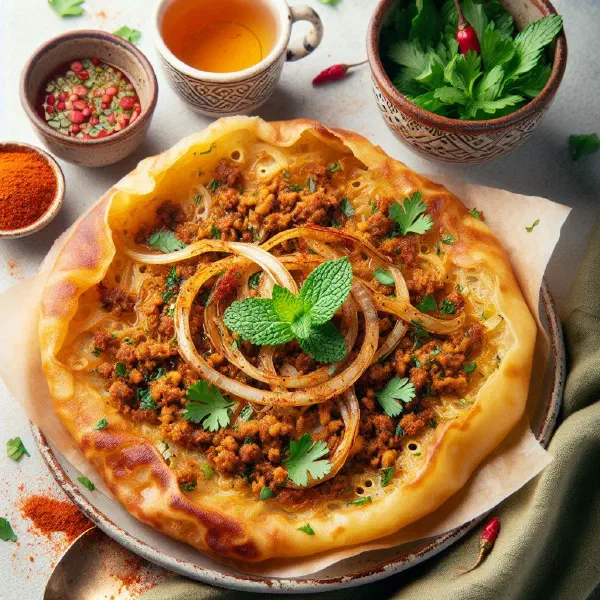
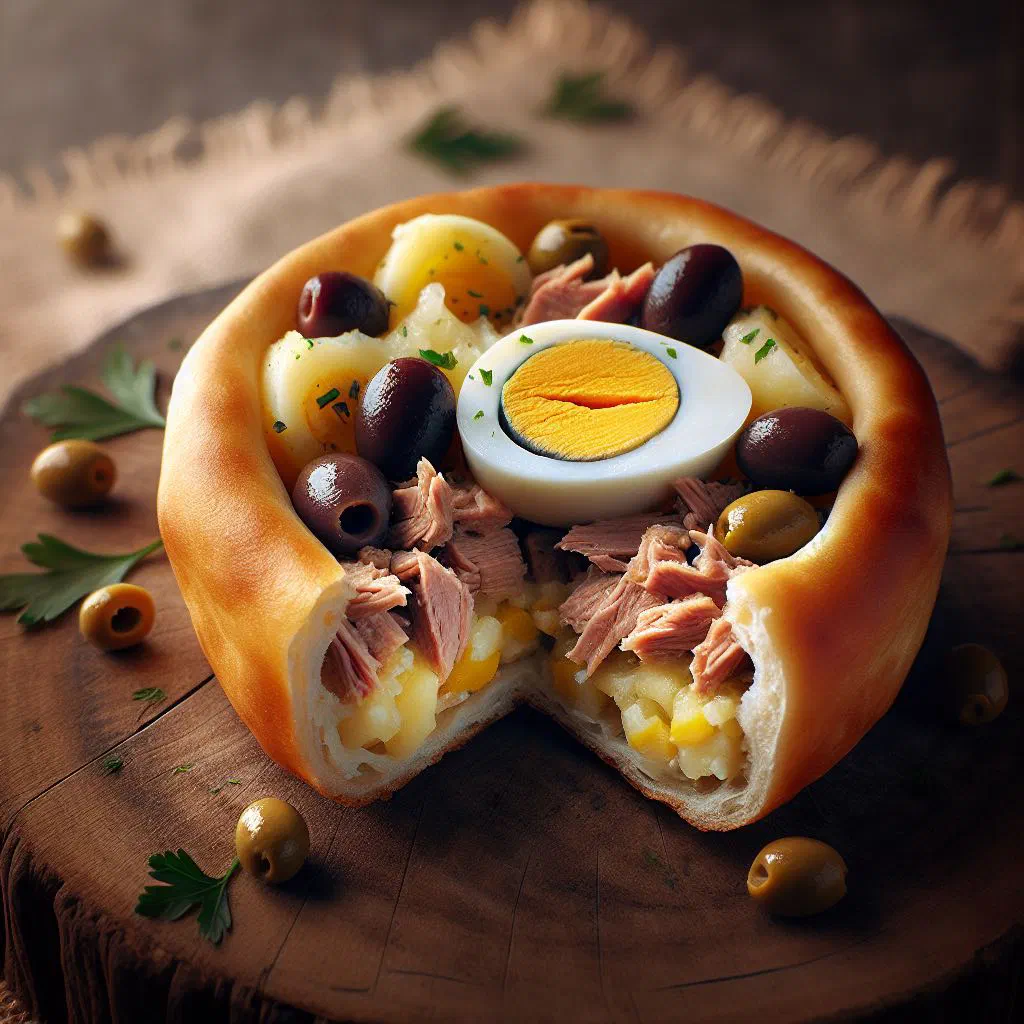
Meet Fricassé Tunisien, one of Tunisia’s best-loved savoury snacks. These little deep-fried rolls are stuffed with a fragrant filling of spiced meat and fresh vegetables, giving you the perfect play of crisp exterior and tender centre. Scented with warm cumin and paprika, they bring the bold, sun-drenched flavours of North Africa straight to your table. They are guaranteed to disappear fast.
About Fricassé Tunisien
Fricassé Tunisien is a much-loved, hearty dish that is often served in Tunisia as a snack or starter. These filled, deep-fried rolls are the perfect interplay of flavour and texture. The combination of tender meat, fresh vegetables and a generous mix of aromatic spices makes the fricassé a memorable experience. If you fancy bringing the flavours of North Africa to your own table, this is exactly the dish for you.
Ingredients (serves 1–2)
- 200 g minced meat (beef or lamb)
- 1 small onion, finely chopped
- 1 carrot, grated
- 50 g peas
- 2 tablespoons olive oil
- 1 teaspoon cumin
- 1 teaspoon paprika
- Salt and pepper to taste
- 250 g flour
- 1 teaspoon dried yeast
- Water (as needed)
- Oil for deep-frying
Shopping for the ingredients
The ingredients for Fricassé Tunisien are available in most supermarkets or at local markets. Be sure to choose fresh, good-quality produce to bring out the best flavour. The minced meat can come from either beef or lamb, depending on your personal taste. You could also add seasonal vegetables or adapt the recipe to suit your own preferences.
Preparing the dish
Before you begin, all the ingredients should be washed thoroughly and prepared. Chop the vegetables finely and have the spices measured out and ready. It is also wise to prepare the dough for the rolls in advance so it has enough time to rise. Getting the dough right is key to the crisp, airy texture of the finished rolls.
Step-by-step instructions
- Tip the flour into a bowl and add the dried yeast. Gradually pour in water until you have a smooth dough.
- Knead the dough well and leave it to rise in a warm spot for 1 hour, until doubled in size.
- Heat the olive oil in a pan and fry the onion until translucent.
- Add the minced meat and cook until done, followed by the grated carrot and the peas.
- Stir in the spices and mix well, then leave the mixture to cool.
- Divide the risen dough into small portions, flatten each one and fill with the meat mixture.
- Shape the rolls and deep-fry them in hot oil until golden brown.
Gluten-free / lactose-free version
For a gluten-free version of the Fricassé Tunisien, swap the wheat flour for a blend of gluten-free flours. Make sure every other ingredient you use, from the spices to the filling, is gluten-free too. For a lactose-free preparation, use oil rather than butter and keep the filling free of dairy. There are plenty of alternatives that taste just as good while keeping the traditional flavours intact.
Tips for vegans and vegetarians
To make the Fricassé Tunisien vegetarian or vegan, replace the meat with a mixture of fried tofu or vegetables. Chickpeas or lentils also make a wonderful protein-rich addition. Add extra spices to intensify the flavour and keep the dish exciting. This way you stay true to the original recipe while adapting it to plant-based diets, much as you would with a comforting bowl of Lablabi.
More tips and tricks
An important tip when making the Fricassé Tunisien is to keep a close eye on the oil temperature while frying. Oil that is too hot can burn the outside while the inside stays undercooked. A kitchen thermometer can help you get the temperature just right. Draining the rolls on kitchen paper after frying also cuts down on excess fat and keeps them crisp.
Adapting the recipe to your taste
The recipe for Fricassé Tunisien is wonderfully adaptable. You can try different fillings, adding feta or sheep’s cheese, for example, lends a lovely aromatic note. The choice of spices can vary too; experiment with coriander, fennel or saffron to develop the flavour further. That way you turn the dish into a creation entirely your own.
Ingredient substitutions
If some ingredients are hard to find, there are plenty of creative alternatives. Instead of minced meat, for instance, you could use a plant-based mince that offers a similar texture. Some cooks also prefer to enrich the filling with mushrooms in place of peas. Adjustments like these can influence both the flavour and the nutritional value of the fricassé.
Drink pairing ideas
Refreshing drinks pair beautifully with a delicious Fricassé Tunisien. A chilled mint tea is a traditional favourite that harmonises wonderfully with the dish’s spicy aromas. A fresh fruit juice or a light white wine also make lovely companions. Many Tunisians enjoy a glass of ayran alongside, a refreshing yoghurt drink.
Serving and presentation ideas
To present your fricassé rolls attractively, serve them on a large platter decorated with fresh herbs such as mint or parsley. Small bowls of different sauces, like a fiery harissa or a yoghurt dip, make the perfect accompaniment, as does a fresh Salade Mechouia. A colourful arrangement of salads or pickled vegetables brings extra colour to the table and turns your dish into a real showstopper.
A bit of history
Fricassé Tunisien has its roots in North African cooking and was strongly shaped by both French and Arab culinary traditions. It is often seen as a symbol of the region’s multicultural influences. Originally conceived as a way of using up leftover ingredients, it has grown into a celebrated snack across the whole Maghreb. In Tunisia it is especially popular at family gatherings and celebrations, which makes it an important part of the country’s culinary identity, a hallmark of Tunisian cuisine.
More recipe ideas
Summary: Fricassé Tunisien
To sum up, Fricassé Tunisien is a versatile and flavour-packed dish, defined by its delicious filling and crisp outer shell. The possibilities for adapting it are endless, and it offers a wonderful chance to discover the flavours of North Africa in your own kitchen. Adventurous cooks will relish the many variations and combinations this dish has to offer.