National Dish Tunisia: Kaaber (Recipe)
In this article
Say hello to Kaaber, a traditional dish that carries the warmth of the Tunisian table straight into your kitchen. Tender pieces of meat mingle with fragrant spices and fresh, colourful vegetables to create a plate that feels both homely and special. It is the kind of food you cook for a leisurely family lunch or a gathering of friends, when the Mediterranean mood calls for something generous and full of flavour. One taste and you will understand why this dish has such an enduring place in Tunisian cooking.
About Kaaber
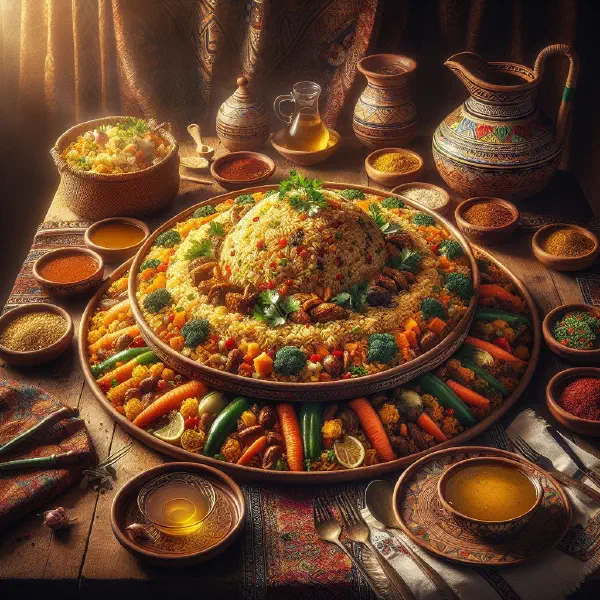
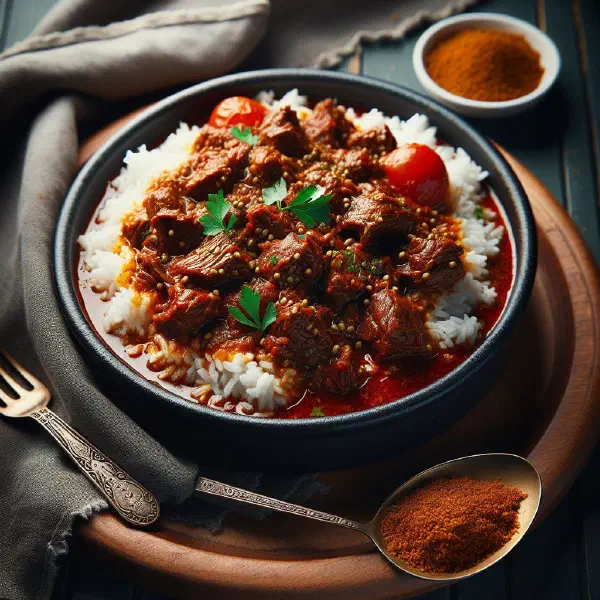
Kaaber is a traditional Tunisian dish that captures the country’s rich culinary heritage in a single pan. It brings together tender cuts of meat, aromatic spices and fresh vegetables to deliver a distinctive, memorable flavour. The dish is often served at special occasions or relaxed family meals, and it carries that unmistakable Mediterranean flair to the table. It is the gentle harmony between the warm spices and the fresh produce that makes Kaaber such a rewarding dish to prepare and to share.
Ingredients (serves 1–2)
- 250 g beef or lamb
- 1 large onion
- 2 cloves of garlic
- 1 red pepper
- 2 carrots
- 2 tablespoons olive oil
- 1 teaspoon cumin
- 1 teaspoon coriander
- Salt and pepper, to taste
- Fresh parsley, to garnish
Shopping for the ingredients
To get the very best from Kaaber, it pays to choose fresh ingredients with care. Look for meat with a good, even colour and no off smells, as freshness makes all the difference to the finished dish. Vegetables such as the pepper and carrots should be crisp and free of soft or bruised spots. A visit to a local market or a trusted supermarket is the surest way to track down the freshest produce for your table.
Preparing the dish
Preparing Kaaber is refreshingly straightforward and asks only a few simple steps. Begin by cutting the meat into small cubes and giving the vegetables a thorough wash before slicing them. Seasoning plays a decisive role here, so it helps to measure out your spices in advance. Have all your utensils ready to hand as well, so the cooking itself runs smoothly from start to finish.
Step-by-step instructions
- Heat the olive oil in a large pan and fry the chopped onion until golden brown.
- Add the meat and sauté, stirring, for around 5–7 minutes.
- Stir in the garlic and the sliced vegetables and cook for a further 5 minutes.
- Sprinkle in the spices — cumin, coriander, salt and pepper — and mix everything together well.
- Pour in about 200 ml of water and let it simmer gently over low heat for 20 minutes, until the meat is tender.
- Garnish with freshly chopped parsley just before serving.
Gluten-free / lactose-free version
Kaaber is naturally gluten-free and lactose-free, as none of its main ingredients contain gluten or dairy. Do take a moment to check that your spices and any other additions are free of hidden sources of gluten or lactose. If you want to be completely sure, reach for fresh spices or ones clearly labelled as gluten-free.
Tips for vegans and vegetarians
Kaaber adapts easily for vegans and vegetarians simply by swapping the meat for a protein-rich plant-based alternative. Try tofu, chickpeas or lentils in place of the meat to keep the dish hearty and satisfying. Be sure to keep using the spices generously, as they are what carry the flavour. This way the Mediterranean character shines through even without any animal products, much like a warming bowl of Lablabi.
More tips and tricks
To deepen the flavour of Kaaber even further, let the dish marinate in the fridge for a few hours, or even overnight. This gives the spices time to work their way into the meat or plant-based alternative. The dish also freezes beautifully once cooked, so you can put a portion by and enjoy it whenever the mood strikes. As so often in the kitchen, a wonderful result can come from just a few small adjustments.
Adapting the recipe to your taste
Everyone has their own personal preferences when it comes to flavour and texture. If you like a bit of heat, add a little chilli or reach for a hotter variety of pepper. There are no real limits when it comes to the vegetables either, so feel free to pick seasonal, colourful options to make the dish more interesting.
Ingredient substitutions
If you have trouble finding the suggested ingredients, there are plenty of alternatives to fall back on. Chicken or turkey, for instance, works well in place of beef. If you have no fresh herbs to hand, dried spices already in your cupboard will do the job nicely, the same easygoing approach that makes a dish like Kamounia so forgiving. It is well worth trying different combinations until you land on the version that is perfect for you.
Drink pairing ideas
A range of drinks pairs beautifully with a dish like Kaaber. Refreshing options such as a light white wine or a fruity cocktail sit nicely alongside the food’s aromas. Alcohol-free choices like water with a slice of lemon or a sprig of mint also make a splendid accompaniment. Just remember to match the drink to the spice and heat of the dish for a thoroughly well-rounded meal.
Serving and presentation ideas
Presentation plays a real part in the enjoyment of Kaaber. Use generous plates or bowls and garnish the dish with fresh herbs to add both colour and freshness. Serve it with a side salad or some freshly baked bread that is perfect for mopping up the sauce, a Salade Tunisienne makes a lovely partner. Above all, present the dish with a little love, because we eat first with our eyes.
A bit of history
Tunisian cooking is shaped by influences from many cultures, among them Arab, Berber and Mediterranean traditions. Kaaber is far more than a simple dish; it reflects the history and customs of Tunisia itself. The characteristic blend of spices is typical of the region and plays a key role in countless recipes across Tunisian cuisine. By cooking this dish, you step straight into the rich culinary world of Tunisia.
More recipe ideas
Summary: Kaaber
All in all, Kaaber is a genuine celebration of flavour and a fine example of Tunisian cooking at its best. With its delicious combination of tender meat, fresh vegetables and aromatic spices, this dish offers a unique treat for everyone at the table. That makes it ideal for special occasions or simply for a delicious dinner with the family. Let Kaaber carry you away and enjoy the treasures of the Tunisian kitchen.