National Dish Tunisia: Kafteji (Recipe)
In this article
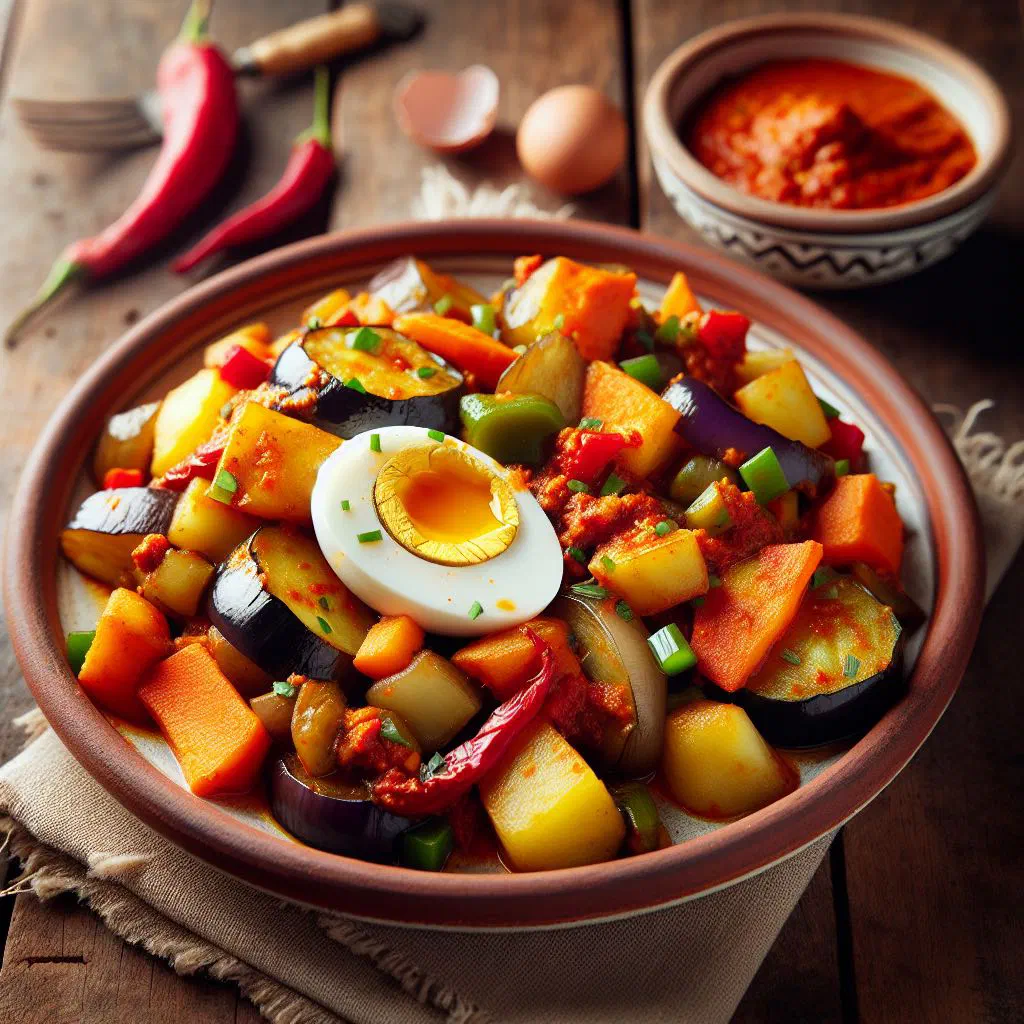
Discover Kafteji, the beloved fried-vegetable dish that captures the sunny spirit of Tunisia. This colourful medley brings together fried vegetables, tender potatoes and warming spices, all chopped together into one very good plate. Often crowned with a fresh egg, it is comfort food at its brightest, rustic, satisfying and full of character. Let the flavours of North Africa brighten your kitchen with every bite.
About Kafteji
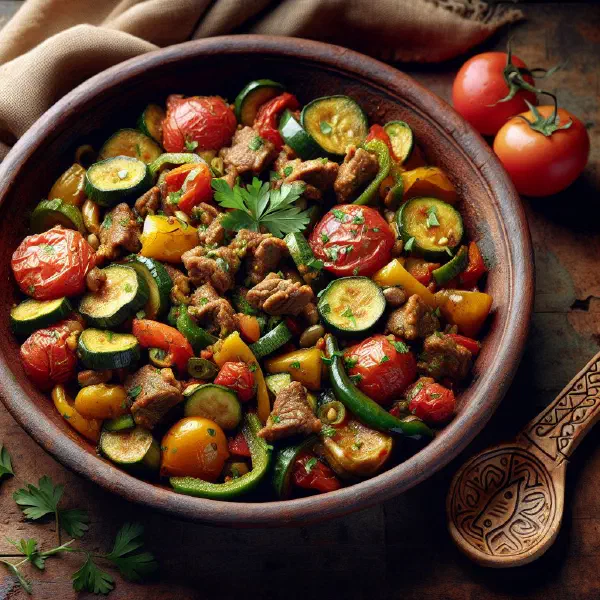
Kafteji is a traditional Tunisian dish that is enjoyed the world over. At its heart are fried vegetables, potatoes and a handful of spices that come together in a wonderfully harmonious ensemble. This bright, colourful mix is a feast for the eyes and delivers an impressive depth of flavour. Kafteji is often served with a fresh egg on top, which makes the dish even more delicious and lends it a special finishing touch.
Ingredients (serves 1–2)
- 2 medium potatoes
- 1 courgette
- 1 pepper (red or green)
- 1 aubergine
- 2 eggs
- Olive oil, for frying
- Salt and pepper, to taste
- 1 teaspoon paprika
- Fresh parsley, to garnish
Shopping for the ingredients
When shopping for the ingredients for kafteji, it is worth choosing fresh vegetables to guarantee the best possible flavour. Visit your local market or an organic shop to find the freshest produce available. Make sure the potatoes are firm and that the courgette and pepper are free from blemishes. The eggs should be fresh too, as they are an important part of the dish.
Preparing the dish
Preparing kafteji takes a little time, but the end result is well worth the effort. Start by washing the vegetables and cutting them into small dice. Then bring a pan of water to the boil and cook the potatoes until tender. Once cooked, let the potatoes cool and cut them into cubes as well, ready to combine with the rest of the vegetables later on.
Step-by-step instructions
- Heat the olive oil in a frying pan over a medium heat.
- Add the onions and fry until they turn golden brown.
- Add the prepared vegetables and the potatoes, and fry everything together until nicely browned.
- Season the vegetables with salt, pepper and paprika.
- Fry the eggs in a separate pan until cooked to your liking.
- Serve the fried vegetables on a plate and place the egg on top.
- Garnish the dish with fresh parsley.
Gluten-free / lactose-free version
The wonderful thing about kafteji is that it is naturally gluten-free and lactose-free, as long as the right ingredients are used. Take care that all the products you use, especially the spices, contain no hidden sources of gluten. This makes kafteji a great choice for anyone with a gluten intolerance or lactose intolerance. You can easily fit the dish into your diet without giving up on its fantastic flavour.
Tips for vegans and vegetarians
Kafteji adapts beautifully for vegans and vegetarians. Instead of eggs, you can use plant-based alternatives such as tofu or a veggie egg replacement designed specifically for scrambling. You can also vary the amount of vegetables to make the dish even more satisfying. The sheer variety of ingredients means you can experiment freely to suit your own preferences and create a dish that is both healthy and filling.
More tips and tricks
To get the very best from your kafteji, take care not to overcrowd the pan when frying. This helps the vegetables brown evenly and reach the perfect texture. You could also add fresh herbs such as mint or coriander to bring an extra layer of flavour to the dish. A squeeze of lemon juice works wonders too, lifting the aromas and freshening everything up. A dollop of harissa adds a fiery kick for those who like it hot.
Adapting the recipe to your taste
The versatility of kafteji means you can make wonderfully creative adaptations. Use different vegetables depending on what is in season or what you enjoy most. Do you like it spicy? Add a little chilli or hot peppers. Prefer a milder version? Simply leave the hotter ingredients out. This way you can create your own favourite plate, tailored exactly to your taste.
Ingredient substitutions
If you do not have some of the traditional ingredients to hand, or you are following a different diet, there are plenty of options. Instead of aubergine, for example, you can use courgette or carrots to achieve a similar texture. Sweet potatoes make a great alternative to regular potatoes and bring a natural sweetness to the dish. Experiment with different spices to discover new flavours you might love. Kafteji sits happily alongside a warming Chakchouka on any table.
Drink pairing ideas
Kafteji pairs wonderfully with a selection of refreshing drinks. A classic Tunisian mint tea is an excellent choice, as it complements the flavours of the dish perfectly. For something more cooling, you could also serve a fruity smoothie or a glass of chilled sparkling water to accompany the meal. These drinks provide a pleasant balance and add to a healthy, well-rounded dinner.
Serving and presentation ideas
The way you present kafteji can enhance the whole eating experience considerably. Serve the dish on a colourful plate and garnish it with fresh herbs or lemon slices. A beautifully arranged plating with different colours and textures whets the appetite and makes for an aesthetic pleasure. You might also consider pairing the dish with a salad, or a side of fresh bread such as Khobz Tabouna.
A bit of history
Kafteji has its roots in Tunisian culture and reflects the varied culinary influences of North Africa. It was originally prepared by farmers as a filling meal to fuel their demanding work in the fields. By combining simple yet flavourful ingredients, it grew into a much-loved dish enjoyed in many households. Today kafteji is held in high regard in Tunisia and in the wider world of Tunisian cuisine.
More recipe ideas
Summary: Kafteji
Kafteji is a unique and versatile Tunisian dish that appeals to with its fried vegetables and potatoes. It is simple to prepare and offers plenty of scope to adapt for different tastes and diets. This dish brings the flavours of Tunisia straight to your table. Give it a try and let its variety and flavour inspire you.