National Dish Tunisia: Kefteji (Recipe)
In this article
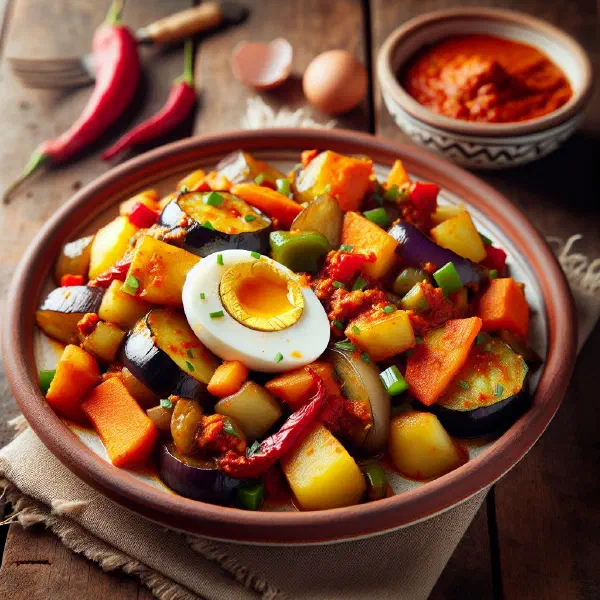
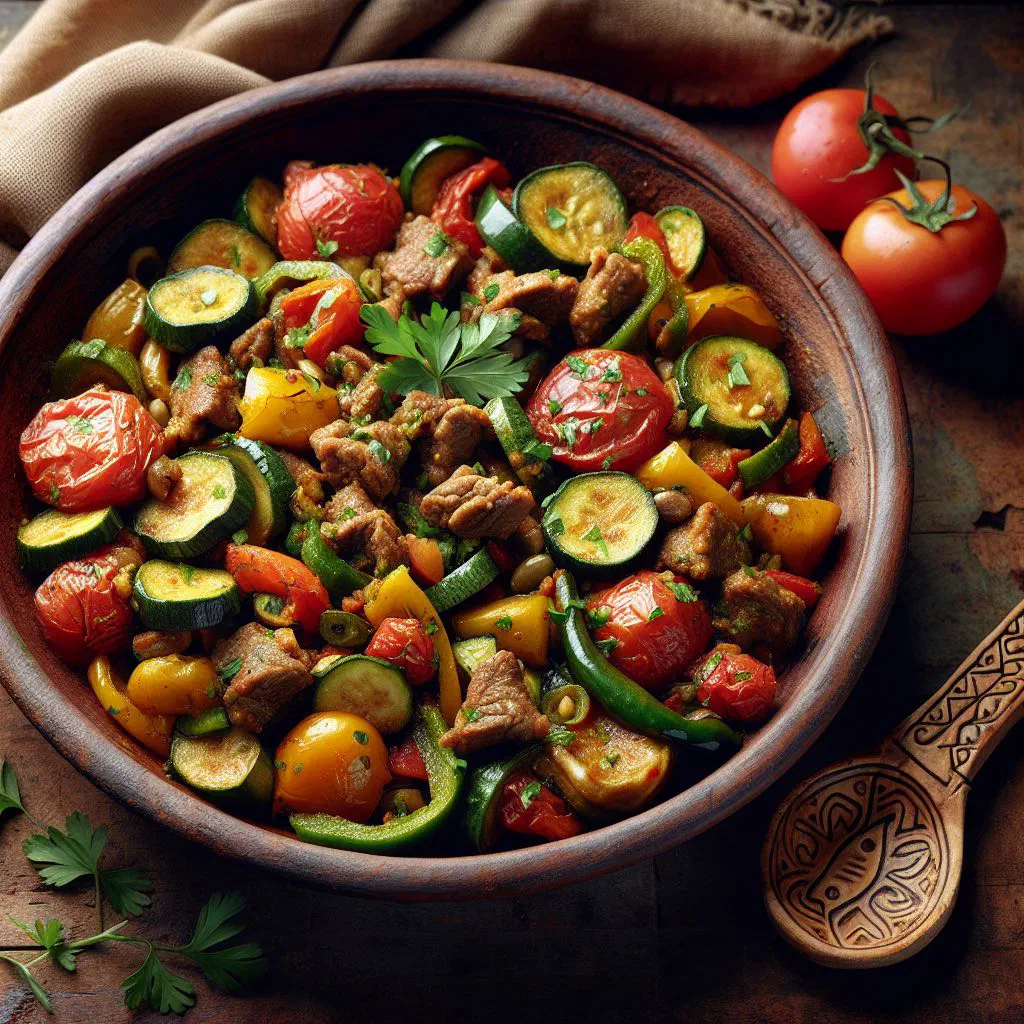
Say hello to Kefteji, a bright Tunisian favourite that turns humble vegetables into something truly memorable. This colourful dish brings together potatoes, courgette, carrot and softly set eggs, all fried until golden and richly seasoned. It is comforting yet lively, easy to throw together on a busy evening and generous enough to share around the table. One forkful and the warm, sun-drenched flavours of North Africa land right in your kitchen.
About Kefteji
Kefteji is more than just a meal; it is an experience. Originally rooted in Tunisia, it has become a much-loved part of the wider Mediterranean and North African table. The generous variety of vegetables gives the dish a wonderful play of textures and flavours, from the softness of the potato to the fresh bite of the courgette. That easy versatility is exactly why Kefteji works so well for a family supper or a relaxed celebration with friends.
Ingredients (serves 1–2)
- 2 large potatoes
- 1 large carrot
- 1 courgette
- 1 small onion
- 2 eggs
- 2 tablespoons olive oil
- Salt and pepper, to taste
- 1 teaspoon paprika
Shopping for the ingredients
When shopping for Kefteji, it is well worth putting freshness and quality first. Visit a local market or greengrocer to track down the best of the season’s vegetables. The potatoes and courgette especially deserve a careful eye, as they set the base flavour of the whole dish. Choosing good-quality eggs will noticeably lift the finished result too, so pick the best you can find.
Preparing the dish
Before you start cooking, it pays to wash and prepare everything carefully. Peel the potatoes and the carrot, then cut them into small, even pieces so they cook through at the same rate. Finely dice the onion to help it release its aroma, and chop the courgette into cubes for that colourful mix. This bit of groundwork means the vegetables cook evenly and every flavour has room to shine.
Step-by-step instructions
- Fry the prepared vegetables and potatoes in a pan with olive oil until they are soft and lightly golden.
- In a bowl, beat the eggs together with salt, pepper and paprika.
- Add the fried vegetables to the beaten eggs and mix well to combine.
- Return the mixture to the pan and let it set over medium heat until the underside is golden brown.
- Carefully turn the dish over and fry the other side until it is cooked through.
Gluten-free / lactose-free version
Kefteji is naturally gluten-free and lactose-free, as long as you take care not to introduce any gluten-containing ingredients alongside the eggs and spices. Always check the labels on processed spices or oils to make sure they are free of hidden gluten. That makes Kefteji a great choice for anyone with particular dietary needs. With the right ingredients on hand, everyone at the table can tuck in.
Tips for vegans and vegetarians
For vegans, Kefteji adapts easily by swapping the eggs for a mixture of ground flax seeds or chia seeds blended with a little water. These give a similar binding effect without any animal products. It is already a wonderful dish for vegetarians, since it contains no meat and takes happily to extra vegetables. Experiment with different varieties for even more flavour and nutrition, much as you would in a hearty Chakchouka.
More tips and tricks
There are a few handy tips worth remembering when you make Kefteji. For a crisp texture, make sure the pan is really hot before the vegetables go in, and avoid overcrowding it so everything browns properly rather than steaming. Serve the dish warm to let the flavours come through at their best. Finish it off with fresh herbs such as mint or parsley for an extra layer of taste, just as you might a plate of Maakouda.
Adapting the recipe to your taste
Kefteji is a flexible dish that bends easily to your own preferences. Add more or fewer vegetables depending on what you fancy, and feel free to tweak the seasoning. Instead of paprika, try cumin or chilli to give the dish a warmer, spicier kick. Let your creativity off the leash and experiment with different combinations until it tastes exactly right to you.
Ingredient substitutions
If you are missing an ingredient or two, there are plenty of alternatives that keep the quality intact. In place of potatoes, for example, you could use sweet potatoes for a gently sweeter note. When it comes to vegetables there are almost no limits, so try spinach or peppers for a different twist. It is great fun to reinvent the recipe again and again, a spirit you will find right across Tunisian cuisine.
Drink pairing ideas
A range of drinks rounds out the Kefteji experience nicely. A cool, light non-alcoholic drink such as mint tea or a refreshing iced lemon cooler makes an ideal companion. For those who prefer wine, a white such as Sauvignon Blanc or a light rosé pairs beautifully with the dish’s spiced aromas. A classic Tunisian beer works well too, echoing the flavours you would meet in a bowl of Lablabi.
Serving and presentation ideas
Presentation plays a real part in the enjoyment of the meal. Serve the Kefteji on a large plate and garnish it with fresh herbs such as parsley or mint. A colourful side of salad goes wonderfully alongside and adds an extra note of freshness. Remember to decorate the plate with a drizzle of olive oil or a dusting of paprika before serving to create an appetising picture.
A bit of history
Kefteji has a history that runs deep through Tunisian culture. First created as a simple dish by fishermen, it has evolved over the years into a firm fixture of the country’s cooking. Its use of fresh vegetables and warm, spiced aromas reflects the wider Mediterranean way of eating, known for its freshness and its focus on good health. Kefteji is therefore a treat for the palate and part of a living culinary heritage.
More recipe ideas
Summary: Kefteji
Kefteji is a distinctive dish that carries the flavours and aromas of Tunisia straight into your home. With its colourful mix of fresh vegetables and tender eggs, it makes an excellent choice as a main course or as a side. The preparation is wonderfully straightforward, and you can adapt the recipe entirely to suit your own tastes. Give it a go and enjoy the culinary variety of Tunisia at your own table.