National Dish Tunisia: Khobz Tabouna (Recipe)
In this article
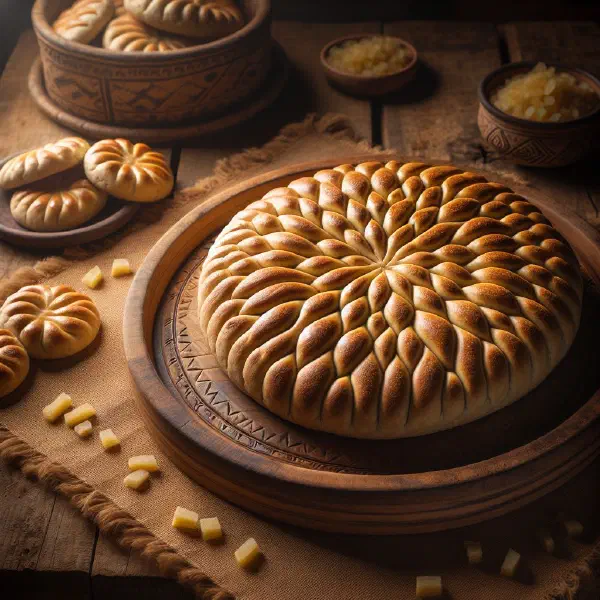
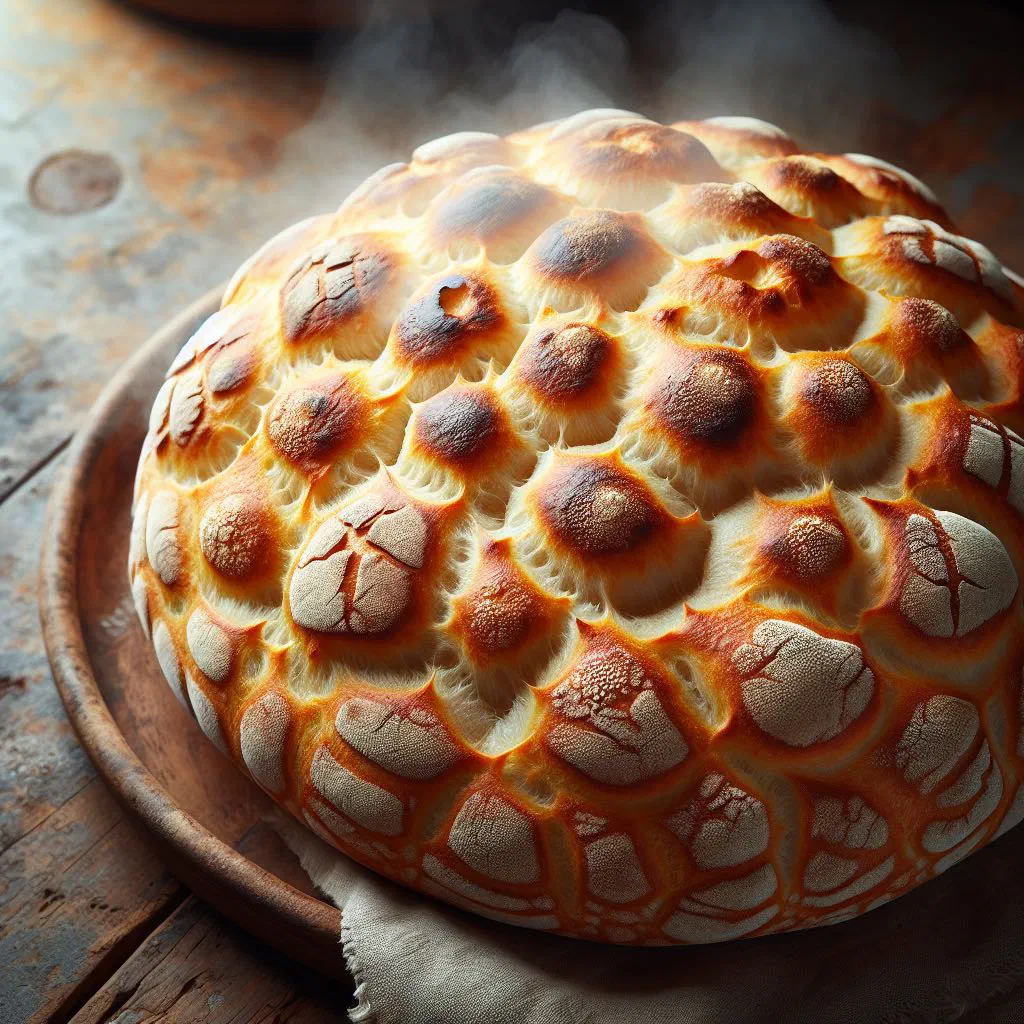
Meet Khobz Tabouna, the rustic clay-oven bread that sits at the heart of the Tunisian table. With its crisp, golden crust and soft, airy crumb, it is the perfect partner for hearty stews or a simple drizzle of olive oil. Made from just a handful of everyday ingredients, this loaf carries centuries of North African tradition into your own kitchen, and fills the whole house with the warm smell of freshly baked bread.
About Khobz Tabouna
Khobz Tabouna is a traditional Tunisian bread set apart by its distinctive method of baking. It is cooked in a clay oven, the tabouna, which gives it a beautifully crisp crust and a soft, fluffy interior. That contrast makes it an ideal accompaniment to all sorts of dishes, and it pairs especially well with hearty stews and vegetable stews such as a warming Lablabi. Enjoy it simply with a little olive oil and a scattering of spices to bring the flavours of Tunisia straight to your table.
Ingredients (serves 1–2)
- 500 g wheat flour
- 300 ml water
- 10 g salt
- 7 g dried yeast
- 1 tablespoon olive oil
Shopping for the ingredients
You will find the ingredients for Khobz Tabouna in any well-stocked supermarket or at an Arabic grocery shop. It is worth choosing fresh wheat flour and a good-quality olive oil to get the very best flavour. Make sure the dried yeast is fresh too, as it is what gives the bread its lift. You may even come across special flour blends for Tunisian bread, which can make the baking a little easier.
Preparing the dish
Before you start making Khobz Tabouna, it helps to have all your ingredients ready to hand. Make sure the water is lukewarm, as this is what activates the yeast. Measure out the flour and salt, and give your work surface a good clean. A suitable mixing bowl for the dough is also essential, making both the kneading and the resting stage that much easier.
Step-by-step instructions
- In a bowl, combine the dried yeast with the lukewarm water and the olive oil.
- Add the flour and salt, then mix everything together well until you have an elastic dough.
- Turn the dough out onto a floured surface and knead for about 10 minutes, until smooth and supple.
- Place the dough in an oiled bowl, cover it, and leave to rest in a warm spot for 1–2 hours, until risen.
- Knock back the risen dough with a quick knead, shape it as you like, then transfer it to the clay oven.
Gluten-free / lactose-free version
For a gluten-free version of Khobz Tabouna, you can use a gluten-free flour blend. In this case it is important to choose a mix that also contains the right binding agents, so you achieve a texture close to that of traditional bread. As for a lactose-free version, this recipe is already suitable, since it contains no dairy at all. Just check that all your other ingredients are lactose-free too.
Tips for vegans and vegetarians
The recipe for Khobz Tabouna is naturally vegan, as it uses nothing but plant-based ingredients. If you want to be sure you are avoiding all animal products, simply check that the spices and oil you reach for are vegan as well. Experiment with different herbs and spices to give the bread extra character, thyme, for instance, works wonderfully well with this loaf.
More tips and tricks
One key tip for baking Khobz Tabouna is to preheat the clay oven thoroughly, so the bread bakes evenly all the way through. Alternatively, you can use a normal oven and place a dish of water on the bottom to create steam, which helps to give the crust its crispness. Resist the urge to slice the bread straight after baking, as this can dry it out, let it cool a little first.
Adapting the recipe to your taste
The recipe for Khobz Tabouna is easy to tailor to your own preferences. You might work olives or nuts into the dough, for example, to give the bread an extra dimension. Different oils, such as herb-infused olive oil, can also be used to vary the flavour.
Ingredient substitutions
If you do not have dried yeast to hand, you can use fresh yeast instead; the amount should be adjusted at a ratio of roughly 3:1. For a wholegrain version, you could swap in wholemeal flour, which makes the bread more nutritious. And if olive oil is not available, sunflower oil works well too. Take a look at what you already have and adapt the recipe accordingly.
Drink pairing ideas
Plenty of drinks pair beautifully with Khobz Tabouna. A traditional Tunisian mint tea is a wonderful match, echoing the herbal notes of the bread. Alternatively, a light red wine or a fruity grape juice rounds off the flavours nicely. For a non-alcoholic option, a homemade lemonade makes a refreshing choice.
Serving and presentation ideas
To present Khobz Tabouna attractively, serve the bread warm on a wooden board. Add small dishes of olive oil and assorted spices, so your guests can dip the bread to their heart’s content. A fresh sprig of herbs or a slice of lemon makes a lovely garnish. This kind of presentation creates an inviting atmosphere and lets the aromas come through all the more intensely, much as they do in a spread of Slata Mechouia.
A bit of history
Khobz Tabouna has a long tradition in Tunisia and is a symbol of the country’s culinary culture. The bread is often baked for festive occasions, and its clay-oven preparation reflects a natural connection to the earth. Throughout history, bread has always been treasured in the region’s food culture, forming the foundation of countless meals across Tunisian cuisine. Baking in these special ovens has endured for centuries and is often regarded as an art in its own right.
More recipe ideas
Summary: Khobz Tabouna
In short, Khobz Tabouna is a delicious and versatile bread that offers a real insight into Tunisian food culture. It works equally well as a side to hearty dishes or enjoyed all on its own. With a handful of simple ingredients and a little time, you can bring a taste of North Africa straight to your home. Don’t forget to present the bread creatively and serve it with the right drinks to round off the whole experience.