National Dish Tunisia: Lablabi (Recipe)
In this article
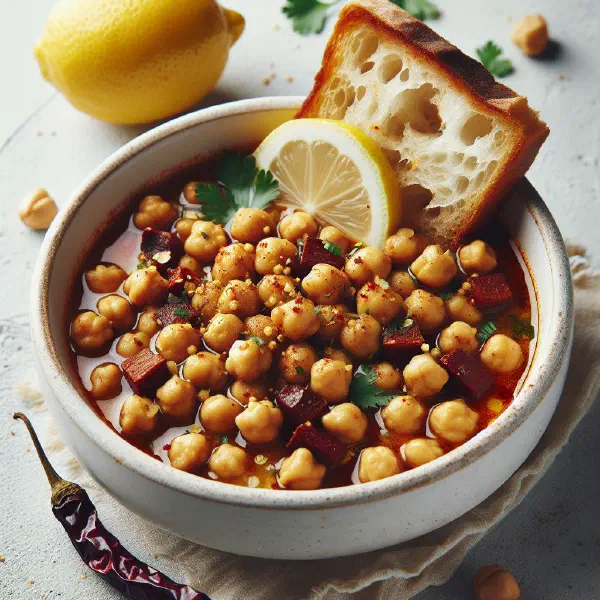
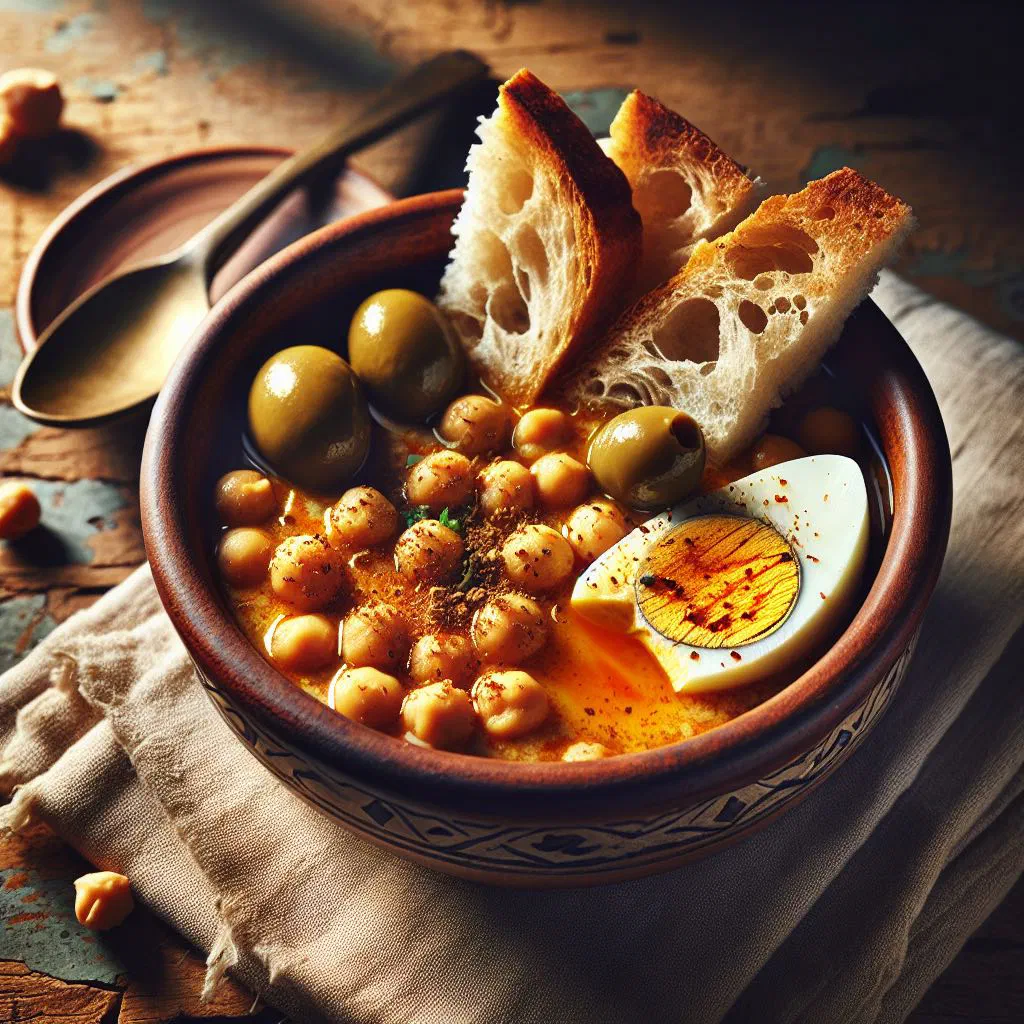
Warm up with Lablabi, the beloved chickpea soup that fills bowls and warms hearts across Tunisia. Built from a handful of humble ingredients, it brings together earthy chickpeas, fragrant spices and torn pieces of crusty bread in one deeply comforting dish. A staple of the country’s street-food scene, Lablabi is proof that simple, honest cooking can be every bit as satisfying as something far more elaborate. Bring a taste of Tunisia to your own table with this easy recipe.
About Lablabi
Lablabi is a traditional Tunisian dish celebrated above all for its simple ingredients and its bold, savoury flavours. This hearty bowl has its roots in Arab cooking and is especially popular as street food. A plate of Lablabi is nourishing and a wonderful way to experience the culture of Tunisia. The combination of chickpeas, spices and crusty bread makes it a warming dish that is particularly prized during the colder months.
Ingredients (serves 1–2)
- 200 g chickpeas (dried or tinned)
- 1 litre vegetable or chicken stock
- 2 cloves garlic, finely chopped
- 2 tablespoons olive oil
- 1 teaspoon cumin
- 1 teaspoon paprika
- Juice of half a lemon
- Salt and pepper to taste
- Fresh bread, to serve
Shopping for the ingredients
When shopping for Lablabi, make sure the chickpeas are of good quality. If you are using dried chickpeas, check the best-before date and soak them overnight before cooking. Fresh spices are essential to bring out the soup’s full flavour, so choose good-quality spices, particularly cumin and paprika. Be sure to pick up fresh bread too, as it plays an important role in both the presentation and the taste of the dish.
Preparing the dish
Preparing the dish begins with cooking the chickpeas if you are using dried ones. After soaking, simmer them in fresh water until soft. If you are using tinned chickpeas, simply rinse them well. Heat the stock in a large pan while you fry the garlic in olive oil to intensify the flavour and deepen the aromas.
Step-by-step instructions
- Heat the olive oil in a large pan over medium heat.
- Add the garlic and fry gently until fragrant.
- Add the chickpeas (dried or tinned) to the pan.
- Pour in the stock and bring the mixture to the boil.
- Add the cumin, paprika, salt and pepper, and let the soup simmer for about 20 minutes.
- Just before serving, stir in the lemon juice and mix well.
- Serve Lablabi hot with fresh bread on the side.
Gluten-free / lactose-free version
Making a gluten-free or lactose-free version of Lablabi is straightforward, as most of the ingredients are naturally free from gluten. Simply choose a gluten-free bread if you want to serve it alongside, and check that any shop-bought stock is gluten-free too. Lablabi is also naturally lactose-free, which makes it a great option for anyone with a lactose intolerance.
Tips for vegans and vegetarians
Vegans and vegetarians can enjoy Lablabi with no trouble at all. Simply use vegetable stock instead of chicken stock to make the dish completely plant-based. You can also adapt the ingredients to your taste by adding extra vegetables, carrots or courgettes, for example, work beautifully and bring even more colour and nutrients to the bowl, much as they do in a comforting Couscous Aux Legumes.
More tips and tricks
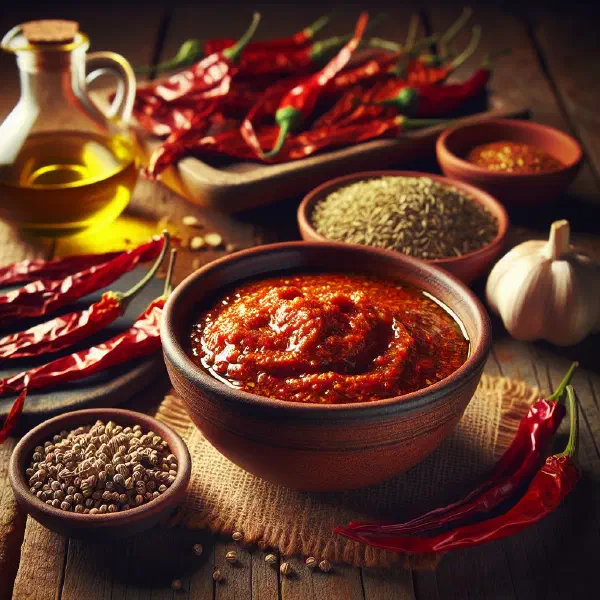
A few handy tips and tricks for making Lablabi: be sure to season the chickpeas well to draw out the best flavour, and try different spice combinations to add a personal touch. A little chilli or a spoonful of Harissa is a great addition for anyone who likes things hotter. You can also adjust the consistency of the soup, adding more stock for a thinner result or less for a thicker, heartier version.
Adapting the recipe to your taste
Adapting the recipe to your taste makes Lablabi a wonderfully versatile dish. You can enrich the soup by adding seasonal vegetables or cooked meat as you please. If you are avoiding gluten, try alternative breads such as cornbread or a gluten-free loaf. Experiment with different spices and aromas to find the perfect balance for your palate.
Ingredient substitutions
There are plenty of ingredient substitutions you can make to adapt Lablabi to your needs. Instead of chickpeas, for example, you could use lentils, which cook quickly and offer a similar flavour. In place of fresh bread, you might use croutons or a wrap-style bread for a different texture and presentation. The possibilities are endless, letting you get creative while keeping the essence of this delicious dish intact.
Drink pairing ideas
A range of drinks pairs perfectly with Lablabi. A traditional Tunisian mint tea is a great option that rounds off the soup’s flavours beautifully. If you are after something more refreshing, a chilled soda or a sparkling water works well. A light, fruity beer or a white wine also pairs nicely, as these drinks can support the spices in the soup.
Serving and presentation ideas
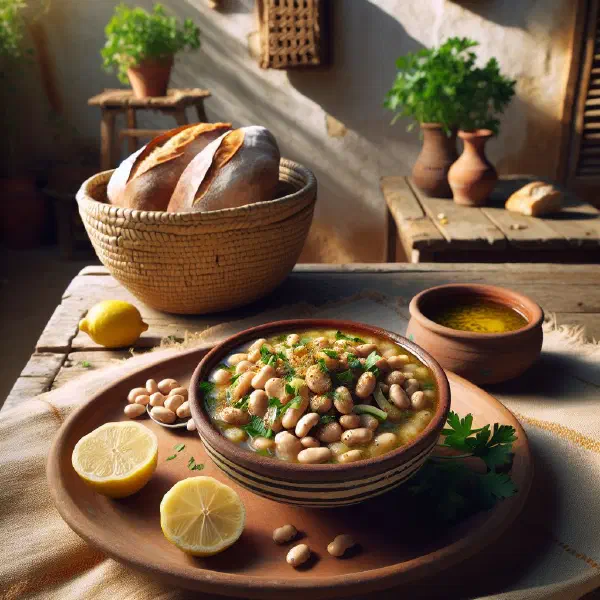
The presentation of Lablabi can be kept very simple yet still look wonderfully inviting. Serve the soup in deep, colourful bowls garnished with fresh herbs to add colour and freshness. A splash of lemon juice on top adds extra flavour and makes the dish more visually appealing. Remember to offer the bread on a separate plate so guests can decide for themselves how much to use.
A bit of history
The history of Lablabi is deeply rooted in Tunisian culture. The dish grew out of the need to prepare nourishing, affordable food that was easy to sell and simple to make. Traditionally it was often offered by street vendors and is regarded as a popular breakfast dish that has pleased generations over the centuries. Its easy preparation and the use of chickpeas have helped make Lablabi a staple in many households and a fine example of Tunisian cuisine.
More recipe ideas
Summary: Lablabi
In short, Lablabi is a hearty, simple and nourishing dish that brings the flavours of Tunisia into your own kitchen. With its combination of chickpeas, spices and fresh bread, it is a popular street food and a meal that warms both body and soul. It is endlessly adaptable, so everyone can add their own personal touch. Give Lablabi a try and let the rich traditions of Tunisian cooking inspire you.