National Dish Tunisia: Masfouf (Recipe)
In this article
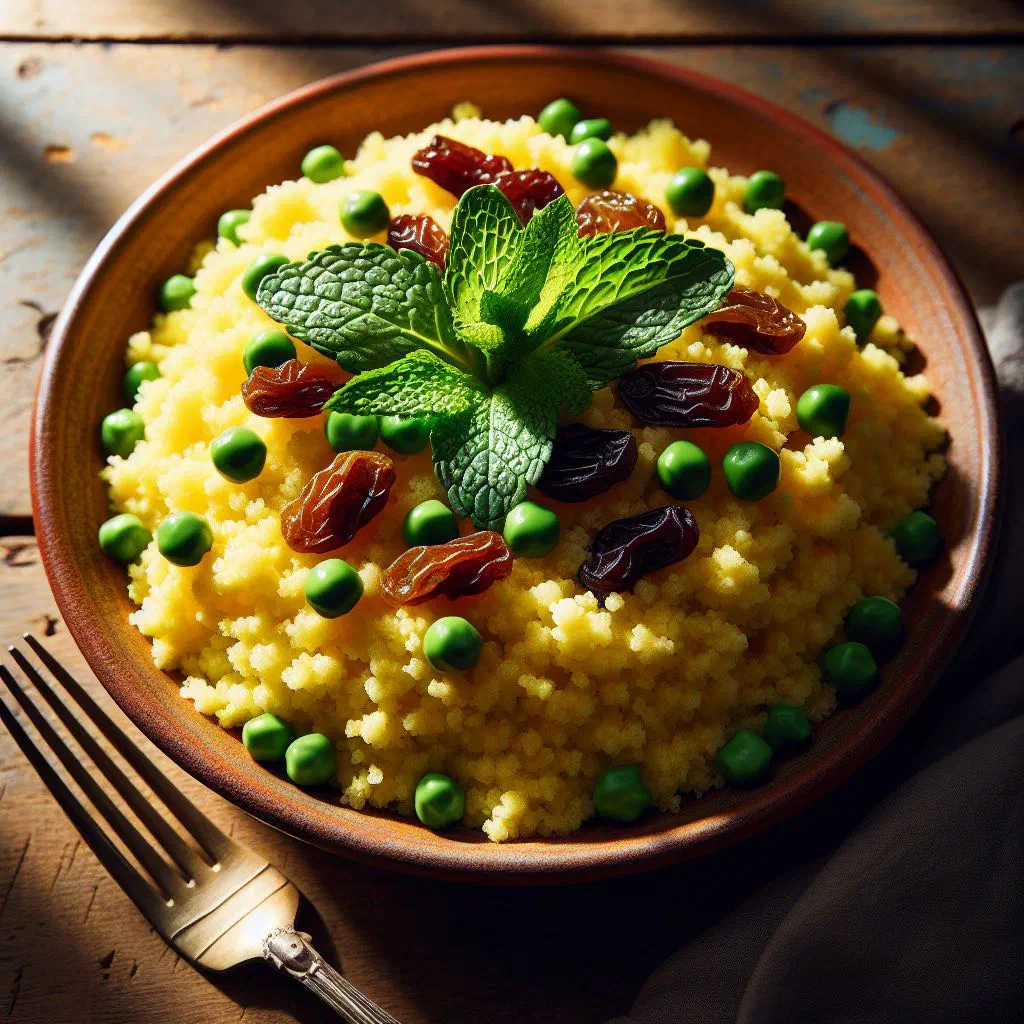
Say hello to Masfouf, a fragrant Tunisian speciality built from fluffy steamed semolina, sweet dried fruit and toasted nuts. Warmed with cinnamon and a drizzle of honey, it sits happily on the table as either a dessert or a leisurely breakfast, and it turns up again and again at feasts and celebrations. This gentle, comforting dish is a lovely window into the flavours of North Africa, easy to make at home, yet special enough for guests.
About Masfouf
Masfouf is a traditional Tunisian dish celebrated for its aromatic blend of steamed semolina, dried fruit and nuts. It is usually finished with an array of spices and sweet notes, giving it a truly distinctive taste. Served most often as a dessert or at breakfast, it is a firm favourite at festivals and special occasions. The dish brings together the culinary traditions of Tunisia and reflects the wonderful variety of the country’s culture.
Ingredients (serves 1–2)
- 200 g semolina
- 100 g dried fruit (e.g. dates, apricots, raisins)
- 50 g nuts (e.g. almonds, walnuts)
- 50 g sugar
- 1 teaspoon cinnamon
- 1 tablespoon honey
- 50 ml water
- 1 pinch of salt
Shopping for the ingredients
When shopping for masfouf, it is important to pay attention to the quality of the dried fruit and nuts. Fresh, unsalted nuts and natural dried fruit without preservatives deliver the best flavour and are healthier too. Many of these ingredients are easy to find in a well-stocked supermarket or at a weekly market. You can also ask for advice in specialist food shops, especially if you are keen on regional produce.
Preparing the dish
Preparing masfouf takes a little time and patience, but the result is well worth it. First, the dried fruit should be soaked in warm water to soften it. Meanwhile, the semolina can be got ready by mixing it with a pinch of salt. The nuts should be roughly chopped so they are spread evenly throughout the dish.
Step-by-step instructions
- Tip the semolina into a large bowl and moisten it with water. Stir well to avoid any lumps.
- Drain the dried fruit and add it to the bowl along with the chopped nuts and the spices.
- Steam the mixture in a steamer or over a water bath for about 20 minutes.
- After steaming, fold through the honey and sugar and mix well until everything is evenly combined.
- Arrange the finished masfouf on a plate and garnish with extra dried fruit and nuts to taste.
Gluten-free / lactose-free version
To make masfouf gluten-free, you can use gluten-free alternatives such as cornmeal or rice flour in place of the semolina. These options preserve the dish’s delicious flavour beautifully. For a lactose-free version, any dairy can simply be left out, or plant-based products such as coconut milk added to lend a little creaminess. These tweaks make the dish accessible to every guest, whatever their dietary needs.
Tips for vegans and vegetarians
For vegans, masfouf is easy to adapt by swapping the honey for agave syrup or another plant-based sweetener. The choice of dried fruit should also be checked to make sure no animal products are involved, and it is worth reaching for unsweetened varieties. Beyond that, the dish can be enriched with plant-based milk alternatives such as almond or oat milk.
More tips and tricks
An important trick when making masfouf is to moisten the semolina thoroughly with water for a lump-free texture. Steaming on the hob can also be mimicked in the oven using a water bath. To make the flavours even more intense, lightly toast the nuts beforehand. It gives the dish an extra boost of flavour that makes all the difference.
Adapting the recipe to your taste
The beauty of masfouf lies in its versatility. Depending on your preference, different fruits or nuts can be used to vary the dish. If you fancy something more exotic, toasted coconut flakes or pieces of chocolate work well too. As for the spices, the recipe can be made your own by experimenting with nutmeg or cardamom to suit every palate.
Ingredient substitutions
If you do not have all the ingredients for masfouf to hand, many are easy to replace. Instead of dates you can use figs, which bring a similar sweetness, much like the fruity notes that shine in Makroud Aux Dattes. If your choice of nuts is limited, pistachios make a colourful and tasty alternative. For a less sweet version, reduce the sugar and make up the difference with extra fruit.
Drink pairing ideas
To round off the masfouf experience, a number of drinks pair very nicely. A fresh mint tea or an aromatic herbal tea complements the dish perfectly. For something with a little alcohol, a light, fruity wine or a sweet muscat could be served. This way the meal becomes a harmonious cultural experience that celebrates Tunisian tradition.
Serving and presentation ideas
The presentation of masfouf can make a real impression. Serve the dish in an attractive bowl, garnished with extra dried fruit and nuts for an appealing visual effect. A dusting of cinnamon over the finished dish enhances its look and its aroma. An artfully arranged plate can lift this traditional dish to a new level and give guests a memorable experience.
A bit of history
Masfouf has deeply rooted traditions in Tunisian cooking. Originally conceived as a festive dish, it is often served at celebrations and special occasions. The blend of semolina and dried fruit echoes the historical trade routes that connected Tunisia with other cultures. As such it is not merely a dish but a piece of history that embodies Tunisia’s cultural identity, a sweet counterpoint to savoury staples of Tunisian cuisine such as Couscous.
More recipe ideas
Summary: Masfouf
In short, masfouf is a genuine treat that showcases the variety of Tunisian cooking. With its ingredients rich in flavour and texture, it is perfect for special occasions. Its preparation leaves plenty of room for creativity and for adapting it to personal taste. Discover the richness of Tunisian gastronomy by making and savouring this unique dish.