National Dish Tunisia: Mlawi (Recipe)
In this article
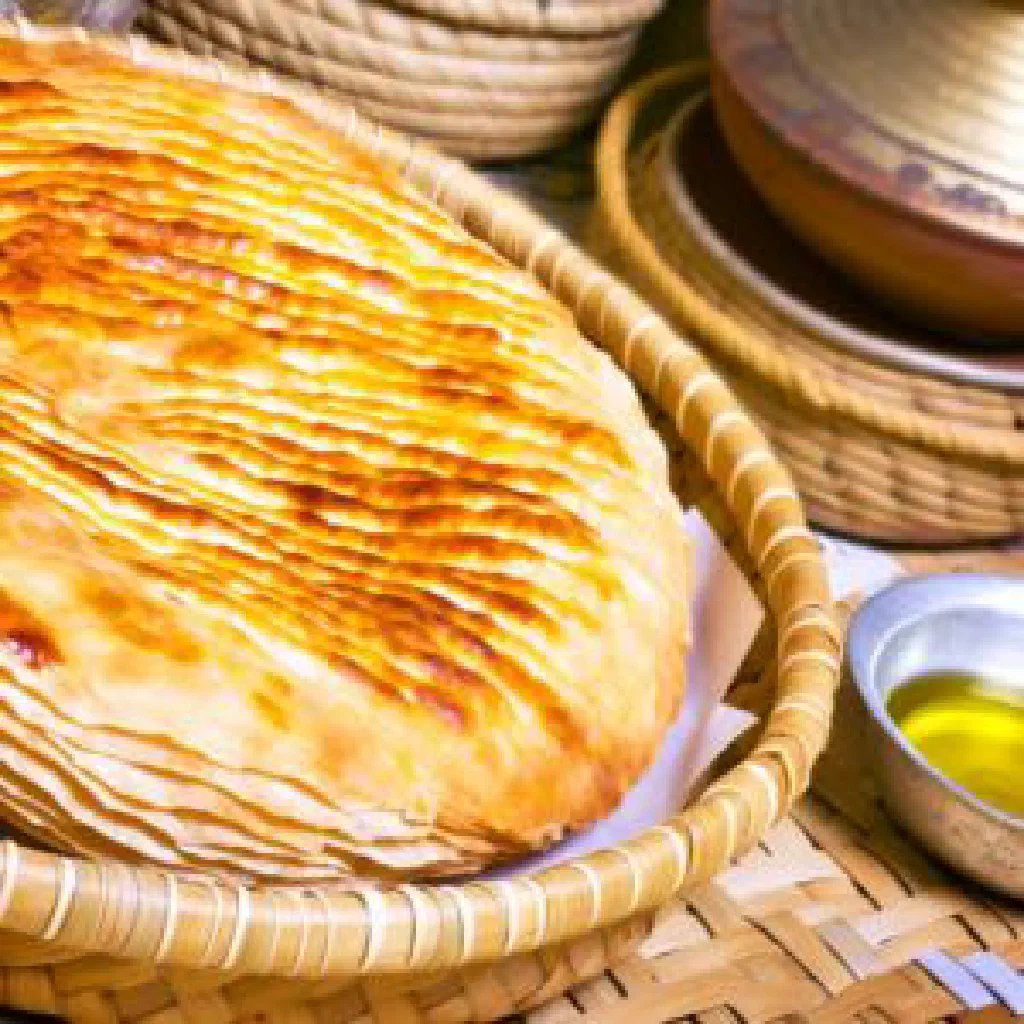
Say hello to Mlawi, the wonderfully soft Tunisian flatbread that turns the simplest of pantry staples into something special. With its golden, lightly crisp crust and pillowy, layered interior, this bread is equally at home as a side to a hearty stew or as a satisfying snack all on its own. Made from little more than flour, water and a splash of olive oil, Mlawi is proof that humble ingredients, handled with care, can produce truly memorable results.
About Mlawi
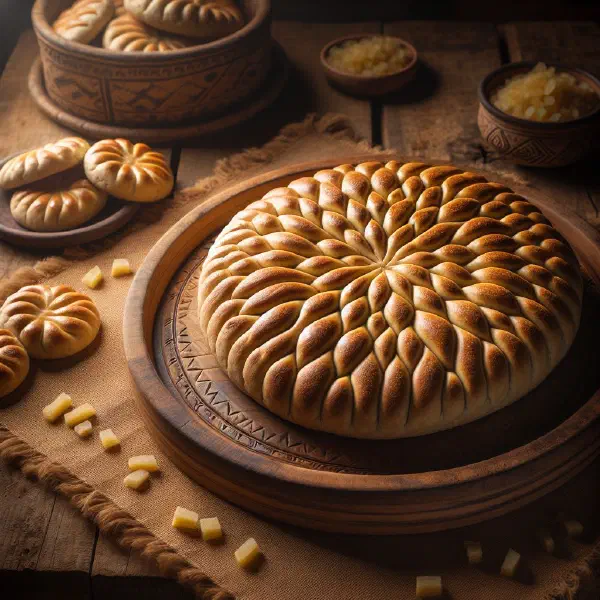
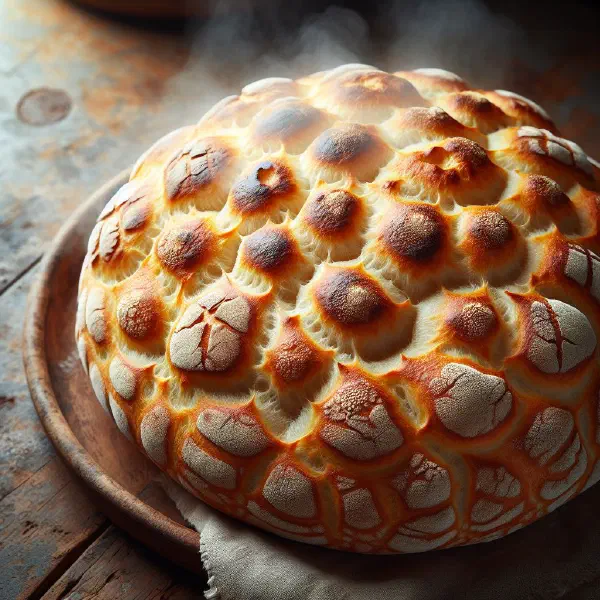
Mlawi is a traditional Tunisian flatbread celebrated for its airy texture and gentle, savoury flavour. It is made from the most basic of ingredients and pairs beautifully with all manner of dishes, though it is just as enjoyable eaten simply on its own. The golden-brown crust and soft, tender inside make Mlawi a genuine highlight of Tunisian cuisine.
Ingredients (serves 1–2)
- 250 g flour
- 150 ml water
- 1 tsp salt
- 1 tsp dried yeast
- 1 tsp olive oil
Shopping for the ingredients
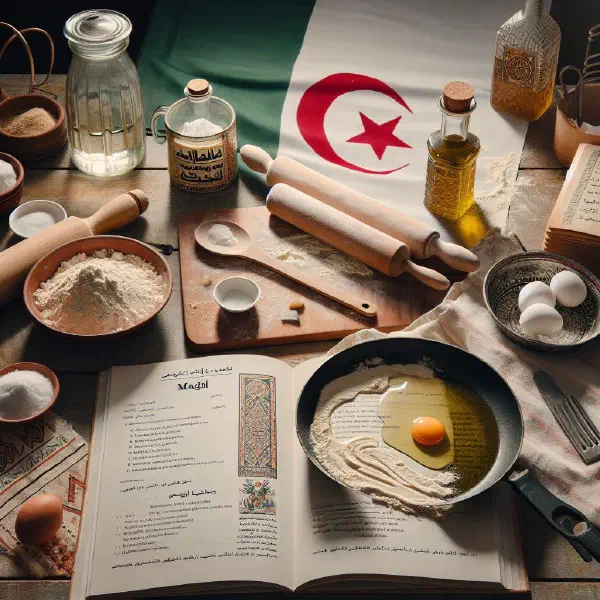
When shopping for Mlawi, pay close attention to the quality of the flour. A good wheat flour is crucial to the texture of the bread. Olive oil adds flavour and gives the bread its tender crust. You will find all the ingredients you need without any trouble in most supermarkets and market stalls.
Preparing the dish
To make Mlawi, a little preparation is needed before the cooking begins. Combine the flour, yeast and salt in a bowl. The water should be at room temperature so that it activates the yeast. After kneading, let the dough rest for at least 30 minutes so that it rises and becomes beautifully light and airy.
Step-by-step instructions
- Mix the flour, dried yeast, salt and olive oil together in a large bowl.
- Gradually add the water and knead the dough until it is smooth and elastic.
- Cover the bowl with a clean cloth and leave the dough to prove in a warm place for 30 minutes.
- Divide the dough into two equal portions and shape them into round flatbreads.
- Heat a pan over medium heat and cook the flatbreads for about 2–3 minutes per side, depending on thickness, until golden brown.
Gluten-free / lactose-free version
If you would like to make Mlawi without gluten, you can use a blend of gluten-free flours. Make sure the gluten-free flour has good binding properties so you achieve the desired consistency. For a lactose-free option, simply use a plant-based oil in place of butter or any other dairy fat. These adjustments mean everyone can enjoy this delicious bread, whatever their dietary needs.
Tips for vegans and vegetarians
Vegan versions of Mlawi are wonderfully straightforward, since most of the ingredients are already plant-based. Just check that the flour and water you use are free from any animal products. For cooking, plant-based fats such as olive oil or coconut oil work perfectly to achieve the right consistency. The bread can also be easily enriched with various spices or herbs to add more flavour.
More tips and tricks
Some useful tips for making Mlawi include kneading the dough well to develop the right structure. Use a properly preheated pan too, so that the flatbreads cook evenly and take on a lovely golden colour. Experiment with different temperatures to find the perfect cooking time. If you have any bread left over, you can keep it fresh by wrapping it in a cloth.
Adapting the recipe to your taste
The recipe for Mlawi lends itself beautifully to personal preferences. Add herbs such as rosemary or thyme to the dough for extra flavour. Spices like cumin or paprika can also give the bread a distinctive character, much like the warm spicing you find in a Tabil Chicken. For a sweeter version, you can add a little honey or sugar to sweeten the bread.
Ingredient substitutions
If you do not have certain ingredients for Mlawi to hand, there are plenty of practical alternatives. Instead of water, you could use vegetable stock to give the bread an extra layer of flavour. For gluten-free variations, a blend of rice and chickpea flour works well. With these substitutions, the recipe stays simple while letting you discover new flavours along the way, a spirit of improvisation shared across Tunisian cuisine.
Drink pairing ideas
A range of drinks pairs nicely with Mlawi and can round off the whole eating experience. A freshly brewed mint tea is the traditional choice, especially in Tunisian households. Alternatively, fruity lemonades or sparkling water also work well to accompany the bread. These drinks harmonise wonderfully with the savoury flavours of the flatbread.
Serving and presentation ideas
For an attractive presentation of Mlawi, you can arrange the bread in a basket alongside fresh herbs. A decorative serving platter with dips such as hummus or olive paste makes your dish even more inviting. It is a natural partner to the smoky Slata Mechouia. Garnishing the bread with sesame or nigella seeds can also add a lovely visual touch. Make sure the presentation underlines the experience and draws your guests in.
A bit of history
Mlawi has a long tradition in Tunisian cooking and reflects the regional flavours and craft techniques of the country. Originally prepared as a staple food, the method of making it has barely changed since. This bread is prized in many households as a side or a snack and plays a central role at family gatherings and celebrations. The popularity of Mlawi has also led to it being adopted across many other North African kitchens, where it sits happily alongside dishes such as Couscous and Brik.
More recipe ideas
Summary: Mlawi
All in all, Mlawi is a versatile and tasty recipe that can easily be tailored to your own preferences. Its simplicity makes it a wonderful dish for anyone with an interest in Tunisian cuisine. With the right preparation and presentation, you can bring a piece of Tunisian heritage into your own kitchen. Give it a go and discover the flavours of Tunisia in the comfort of your own home.