National Dish Tunisia: Rouz Djerbi (Recipe)
In this article
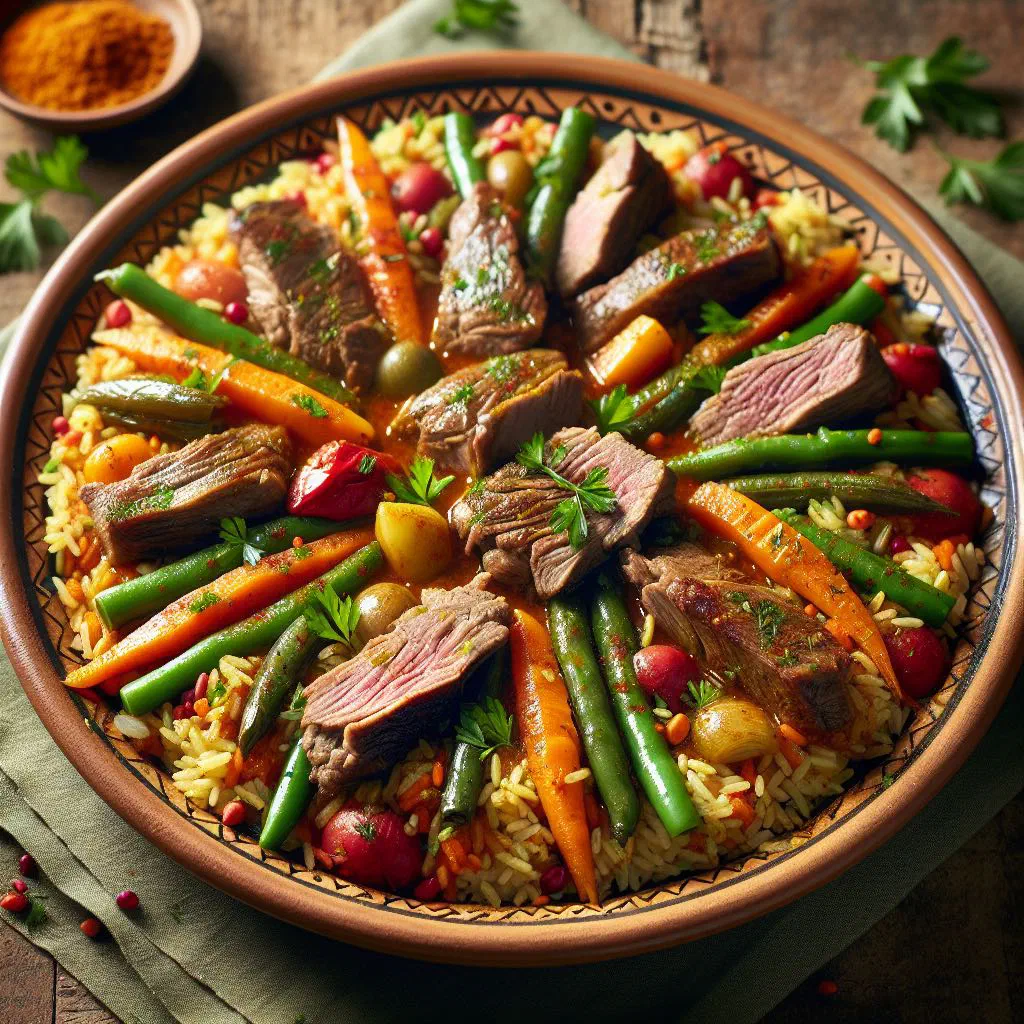
Say hello to Rouz Djerbi, a fragrant Tunisian rice dish that carries all the warmth of North African cooking. Named after the sun-drenched island of Djerba, it brings together tender meat, sweet vegetables and a generous handful of spices in a single, comforting pot. It is the sort of dish that turns a family gathering into a celebration, filling the kitchen with the aromas of cumin and paprika. Bring a taste of the Tunisian coast to your own table with this satisfying one-pot classic.
About Rouz Djerbi
Rouz Djerbi is a traditional Tunisian rice dish brimming with flavour and character. It typically builds on fresh ingredients such as vegetables, meat and a lively mix of spices, all of which come together to create something greater than the sum of their parts. The influences of North African cuisine shine through especially clearly here. More than just a festive meal, it is a symbol of Tunisian culture, often served at family celebrations or on special occasions.
Ingredients (serves 1–2)
- 200 g rice
- 150 g chicken or lamb
- 1 onion, finely diced
- 2 carrots, cut into small pieces
- 2 tablespoons olive oil
- 1 teaspoon paprika
- 1 teaspoon cumin
- Salt and pepper to taste
- Herbs of your choice (e.g. parsley or coriander)
Shopping for the ingredients
When shopping for the ingredients for rouz djerbi, you can turn to fresh local markets or simply visit your supermarket. What matters most is that the meat is of high quality, so it delivers the best possible flavour. Fresh vegetables give the dish a crisp texture and round out its aromas. Pay attention to your choice of spices too, as they are key to that unmistakable Tunisian taste.
Preparing the dish
Preparing rouz djerbi begins with washing and chopping the ingredients. The vegetables should be thoroughly rinsed and cut into small pieces to ensure they cook evenly. The meat is diced and marinated to intensify its flavour. These early steps are crucial for achieving the ideal balance of tastes in the finished dish.
Step-by-step instructions
- Heat the olive oil in a large pot and add the diced onion. Fry until it turns golden brown.
- Add the meat and brown it lightly on all sides.
- Stir in the chopped vegetables (carrots and any others) and cook for a few minutes.
- Sprinkle the spices (paprika, cumin, salt and pepper) over the mixture and stir well to combine.
- Add the rice and stir it through, so it soaks up all the aromas.
- Pour in enough water to cover the rice and vegetables well, then leave the dish to simmer gently until the rice has absorbed the liquid.
- Stir occasionally and keep cooking until the rice is tender and the dish is light and fluffy.
Gluten-free / lactose-free version
Rouz Djerbi is easy to prepare gluten-free and lactose-free. Simply make sure you use gluten-free rice. The spices and marinades are generally free of gluten, so there is nothing to worry about there. Instead of yoghurt or cream, you can reach for plant-based alternatives to keep the richness of the dish intact. Many Tunisian dishes are naturally lactose-free, which makes rouz djerbi a great choice.
Tips for vegans and vegetarians
Vegetarians and vegans can adapt rouz djerbi by replacing the meat with hearty vegetable options or pulses such as chickpeas. Tofu or tempeh also make excellent alternatives that boost both the texture and the protein content. Swap meat stock for vegetable stock to deepen the flavour. Feel free to experiment with different vegetables to create a wholesome, nutrient-rich meal.
More tips and tricks
For the best rouz djerbi, it is important that all your ingredients are fresh and of top quality. Save any leftovers for a later meal, as the flavour often becomes even more intense after resting. Feel free to experiment with extra spices or herbs to add your own twist. A pinch of cinnamon, for example, can lend an intriguing note to the dish.
Adapting the recipe to your taste
One of the great things about rouz djerbi is its flexibility. You can tailor the dish to your personal preferences by trying different cuts of meat or types of vegetable. Add dried fruit such as raisins for a touch of sweetness, or experiment with hot chillies to give the dish some extra kick.
Ingredient substitutions
In rouz djerbi, many ingredients can be swapped without any loss of flavour. If you are not keen on chicken or lamb, you could use beef or even fish. For vegans, pulses or mushrooms are terrific options. The rice can also be replaced with quinoa or Couscous for a different eating experience.
Drink pairing ideas
A glass of Tunisian white wine goes wonderfully with rouz djerbi and complements the flavours of the dish. If you would rather stay alcohol-free, a refreshing mint tea or a fruity infused water works beautifully. A light beer is another good choice for balancing out the spices.
Serving and presentation ideas
Presentation can noticeably heighten the enjoyment of rouz djerbi. Serve it in a deep bowl and garnish with fresh herbs such as parsley or coriander. Add a few wedges of lemon or lime to bring in a fresh element. A pretty arrangement with some colourful vegetable sides completes the picture, much as it would with a plate of Djerba Mechouia.
A bit of history
Rouz Djerbi has its roots in traditional Tunisian cuisine and reflects the many cultures of North Africa that meet within the country. Historically it served as a complete, nourishing meal that brought community and family together. The use of spices and local ingredients shows just how important freshness and regionality are in Tunisian gastronomy, the same spirit found across Tunisian cuisine. Every dish tells its own story, and rouz djerbi is no exception.
More recipe ideas
Summary: Rouz Djerbi
Rouz Djerbi is more than just a dish; it is a culinary experience that draws together the flavours and traditions of Tunisia. With its wealth of tastes, colours and textures, it appeals to at large family celebrations as readily as at small get-togethers. Its adaptability makes it a flexible option for many dietary needs. Rouz djerbi will always be a treat.