National Dish Tunisia: Sauté d'Agneau (Recipe)
In this article
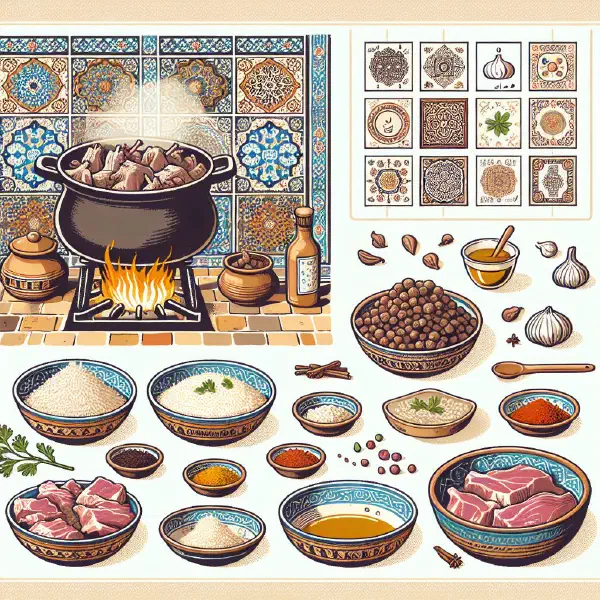
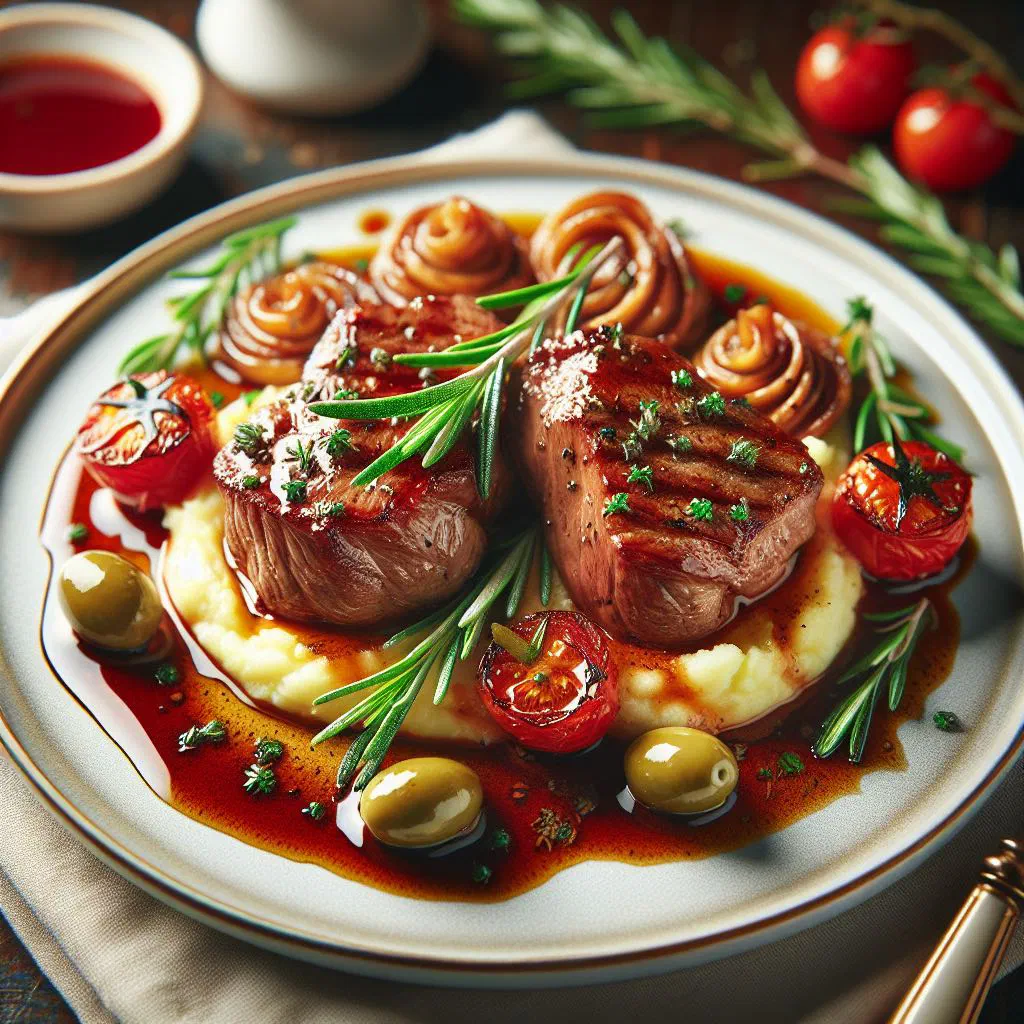
Meet Sauté d’Agneau, a soulful braise that captures the warmth of Tunisian home cooking. Tender pieces of lamb are gently simmered with fragrant spices and fresh vegetables until everything turns meltingly soft and deeply savoury. With the earthy scent of cumin, coriander and a whisper of cinnamon, this is North African comfort food at its finest, the kind of dish that fills the kitchen with aroma and draws everyone to the table.
About Sauté d’Agneau
Sauté d’Agneau is a traditional Tunisian dish that seduces the senses with its intense flavour and layered aromas. This gently braised dish combines tender lamb with a generous mix of spices and fresh vegetables, making it a cornerstone of North African cooking. The interplay of cumin, coriander and cinnamon brings out the natural richness of the lamb and lends the dish its unmistakable character. Preparing Sauté d’Agneau is about more than flavour alone. It is a celebration of Tunisia’s rich culinary heritage.
Ingredients (serves 1–2)
- 300 g lamb (shoulder or leg, for example)
- 2 tablespoons olive oil
- 1 onion, diced
- 2 cloves garlic, chopped
- 1 teaspoon cumin
- 1 teaspoon coriander
- 1/2 teaspoon cinnamon
- 1 large carrot, diced
- 1 pepper, diced
- 400 ml vegetable or lamb stock
- Salt and pepper, to taste
- Fresh coriander, to garnish
Shopping for the ingredients
To make sure your Sauté d’Agneau is a real success, it pays to shop for good-quality ingredients. Visit your local butcher for fresh lamb, as the quality of the meat plays a decisive role in the flavour of the finished dish. Spices such as cumin and coriander are easy to find in most supermarkets or in Middle Eastern and Asian grocers. Choose fresh vegetables that are in season wherever you can, to guarantee the very best aromas.
Preparing the dish
Preparing Sauté d’Agneau is fairly straightforward, but there are a few key steps worth keeping in mind. Start by cutting the lamb into evenly sized pieces so that it cooks uniformly. Dice the vegetables into small, neat cubes so they blend harmoniously with the meat. Careful chopping and cutting make the cooking process smoother and lead to a much better end result.
Step-by-step instructions
- Heat the olive oil in a large pot over medium heat.
- Add the diced onion and fry until golden brown.
- Stir in the chopped garlic and let it cook briefly.
- Add the lamb to the pot and brown it all over.
- Add the spices (cumin, coriander, cinnamon) and mix well.
- Add the diced vegetables and sauté briefly.
- Pour in the stock and bring everything to the boil.
- Simmer over low heat for 1–1.5 hours, until the lamb is tender.
- Season with salt and pepper, and garnish with fresh coriander before serving.
Gluten-free / lactose-free version
Sauté d’Agneau is naturally gluten-free and lactose-free, since the main ingredients are lamb, fresh vegetables and spices. Just take care to use a gluten-free stock if you are buying one ready-made. This makes the dish especially appealing for anyone with intolerances or particular dietary needs. You can enjoy this delicious braise without a second thought.
Tips for vegans and vegetarians
There are plenty of ways to adapt Sauté d’Agneau for vegans and vegetarians. Instead of lamb, you might use firm tofu or chickpeas, which help meet your protein needs while still delivering a rich, satisfying flavour. Cook the vegetables with the same aromatic spices to preserve the authentic taste of Tunisian cooking, much as you would when making a hearty Ragout de Pois Chiches.
More tips and tricks
A few simple tips can turn cooking Sauté d’Agneau into a real pleasure. Use fresh spices to draw out the best possible aromas. Let the dish rest for a few minutes after cooking so the flavours have time to settle. A good dish also deserves careful presentation, so give a little thought to how you might arrange it attractively on the plate.
Adapting the recipe to your taste
The wonderful thing about Sauté d’Agneau is just how versatile it is. Feel free to vary the vegetables according to the season and your own taste. Courgettes, aubergines or even sweet potatoes can be gloriously good in this dish. If you like a bit more heat, try adding some hot pepper or a spoonful of Harissa to give the dish a whole new dimension.
Ingredient substitutions
If you do not have certain ingredients to hand, there are plenty of alternatives you can turn to. Instead of lamb, you might use beef or poultry if that suits your preferences better. For the spices, you could also reach for ready-made ground blends that are typical of North African cooking.
Drink pairing ideas
The right drink can enrich the experience of Sauté d’Agneau even further. A red wine with bold aromas pairs beautifully with this dish, complementing both the spices and the lamb. Alternatively, non-alcoholic options such as a refreshing mint tea or a lively pomegranate juice make lovely accompaniments. These drinks offer a wonderful contrast to the hearty, savoury flavours of the food.
Serving and presentation ideas
Presentation plays a crucial part in serving Sauté d’Agneau with style. Use colourful plates and garnish the dish with fresh herbs and a slice of lemon to create an appealing combination of colours. A scattering of toasted flaked almonds on top adds a lovely crunch. Remember that we eat with our eyes first, so it is well worth investing a little time in the presentation.
A bit of history
Sauté d’Agneau is deeply rooted in Tunisian culture and reflects the unique culinary influences of North Africa. Its combination of spices and ingredients is the result of centuries of trade links and cultural exchange. This dish is a treat for the palate and a piece of the history that has shaped Tunisian society. Its heritage reaches far back and is still cherished today in homes and restaurants across the region, a proud example of Tunisian cuisine.
More recipe ideas
Summary: Sauté d’Agneau
Sauté d’Agneau is an exquisitely prepared dish that brings together tender lamb, aromatic spices and fresh vegetables. With its distinctive flavour and history, it is a piece of Tunisian culture that you can easily recreate at home. Let the aromas draw you in and enjoy a taste of North Africa in your own kitchen.