National Dish Tunisia: Vegetable Couscous (Recipe)
In this article
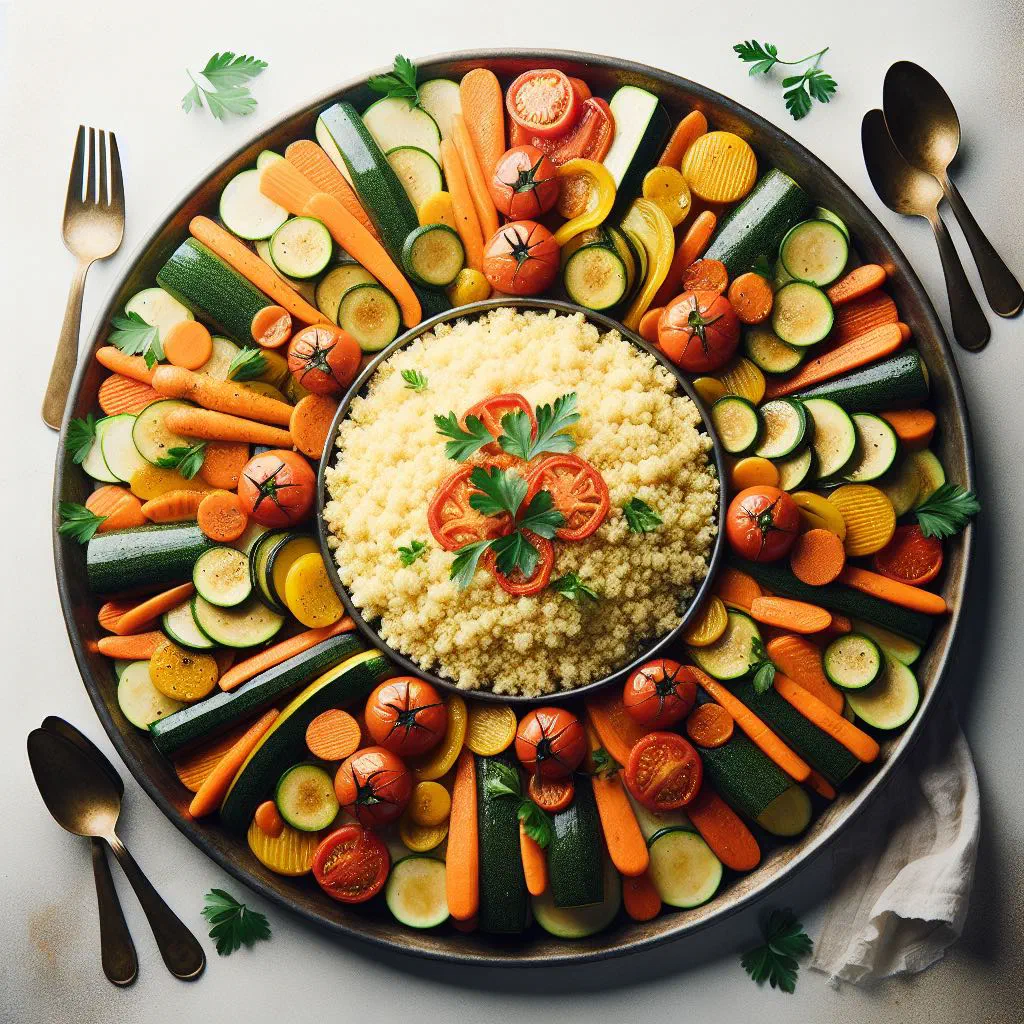
Discover Vegetable Couscous, the bright heart of Tunisian cooking. This wonderfully light dish pairs fluffy couscous with a colourful medley of fresh vegetables and warm, aromatic spices. It is a genuine feast for the eyes and the palate, bringing the colours of North Africa straight to your table. Best of all, it is endlessly adaptable, so everyone can shape it to their own taste and make it their own.
About Vegetable Couscous
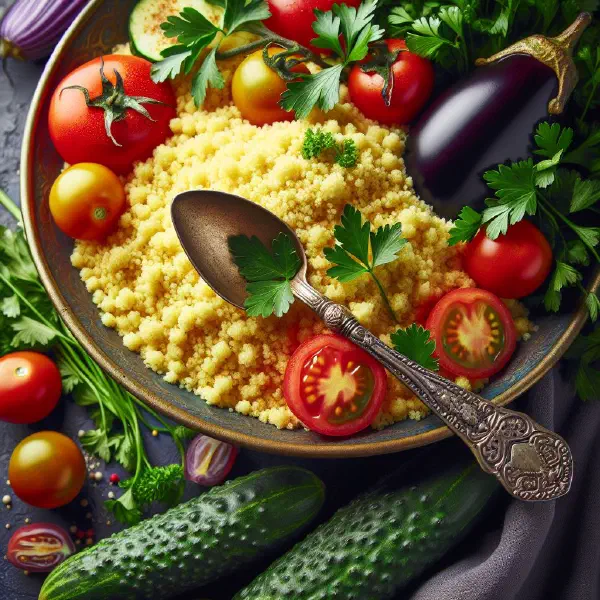
Vegetable Couscous is more than a traditional Tunisian dish; it is a real explosion of flavour. It brings together fine couscous with a bright selection of fresh vegetables and fragrant spices such as cumin and coriander. This very light meal suits any occasion and puts the colours of North Africa on your plate. Thanks to its versatile preparation, it is a dish that anyone can tailor to their own preferences, making it a firm favourite in Tunisian cuisine.
Ingredients (serves 1–2)
- 200g couscous
- 2 carrots
- 1 courgette
- 1 pepper (red or yellow)
- 1 onion
- 2 cloves garlic
- 500ml vegetable stock
- Olive oil
- Salt and pepper
- Exotic spices (e.g. cumin, coriander)
Shopping for the ingredients
When shopping for the ingredients for vegetable couscous, it pays to pay attention to the quality of the produce. Fresh, local vegetables not only taste better but are also more nutritious. It is worth buying your ingredients from an organic shop or a weekly farmers’ market to get the best quality. You can also choose whichever vegetables suit your own tastes, so that a truly individual dish takes shape.
Preparing the dish
Preparing the dish begins with washing and chopping the vegetables. Cut everything into bite-sized pieces so that it cooks evenly. While you prepare the vegetables, you can already leave the couscous to swell in a bowl of hot water. Have the spices ready to hand too, so you can add them easily as you cook and the dish is aromatic right from the start.
Step-by-step instructions
- Heat a little olive oil in a large pan and sweat the diced onion and garlic.
- Add the chopped vegetables and fry for a few minutes until they begin to soften.
- Pour in the vegetable stock and bring everything to the boil.
- Add the spices to taste and let the vegetables simmer for around 15 minutes.
- Meanwhile, pour the hot stock over the couscous and leave it to swell for about 5 minutes, until soft.
- Serve the couscous with the stewed vegetables spooned over the top.
Gluten-free / lactose-free version
For a gluten-free and lactose-free version of vegetable couscous, you can reach for quinoa or another gluten-free grain. Quinoa has a slightly nutty flavour that goes beautifully with the aromas of the dish. Use a lactose-free or plant-based oil to make sure the meal stays completely free of lactose. When choosing your stock, take care to pick a gluten-free variety too.
Tips for vegans and vegetarians
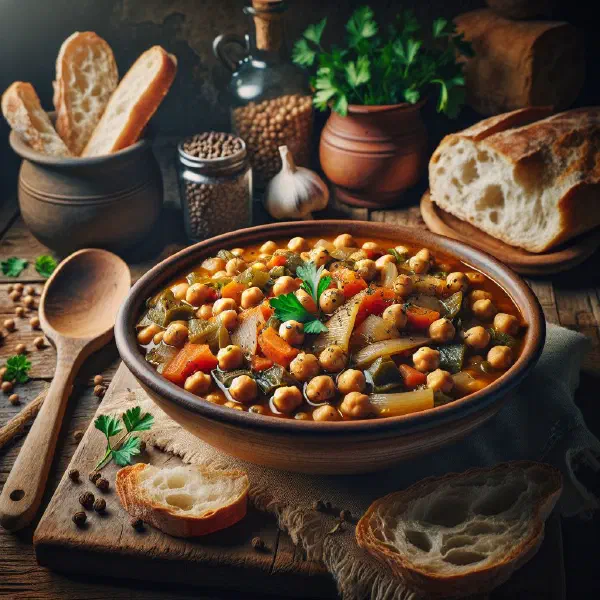
Vegetable couscous is an excellent dish for vegans and vegetarians, as it adapts with ease. Just make sure the vegetable stock you use contains no animal products. To make the dish more protein-rich, add chickpeas or other pulses, much like the hearty base of a Ragout de Pois Chiches. These bring a pleasing texture and extra nourishment to the plate.
More tips and tricks
There are a few tips and tricks that can make your vegetable couscous even tastier. Experiment with different spices to discover new flavours. Fresh herbs such as coriander or parsley give the dish an extra burst of freshness. Take care not to overcook the vegetables, so that you keep their crisp texture and their colours stay lively and bright.
Adapting the recipe to your taste
The flexibility of vegetable couscous lets you tweak the recipe easily to your personal preferences. Add your favourite vegetables, or swap out anything you are not keen on. You can also adjust the heat of the dish by using more or less chilli or paprika. In this way you create a meal that fits your taste exactly while still offering a healthy, wholesome plate.
Ingredient substitutions
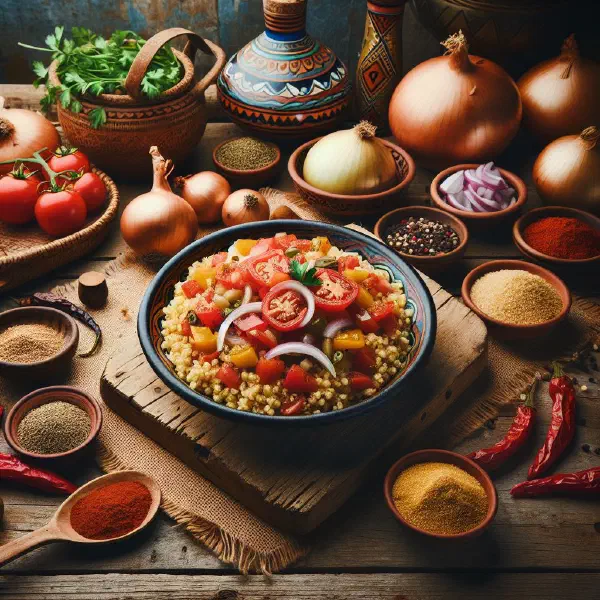
If you struggle to find some of the ingredients, there are plenty of alternatives you can use. In place of couscous, you might try bulgur or even rice, depending on your taste and dietary needs, the same grains that carry a Boulgour. For the vegetables, seasonal produce is an excellent option, available even in winter.
Drink pairing ideas
A wide range of drinks pairs well with a dish as aromatic as vegetable couscous. A refreshing, fruity tea, such as mint tea, is a traditional choice that harmonises wonderfully with the spices. Alternatively, you could serve a light, lively white wine that underlines the flavours of the couscous. For an alcohol-free option, fresh juices or water with lemon are ideal for refreshing the palate.
Serving and presentation ideas
The presentation of vegetable couscous is an important part of making the dish memorable. Serve the couscous in a beautiful bowl and decorate it with fresh herbs or toasted nuts for extra texture and flavour. A drizzle of olive oil over the top gives the dish a glossy sheen. Use colourful plates to bring out the bright hues of the vegetables and catch your guests’ attention.
A bit of history
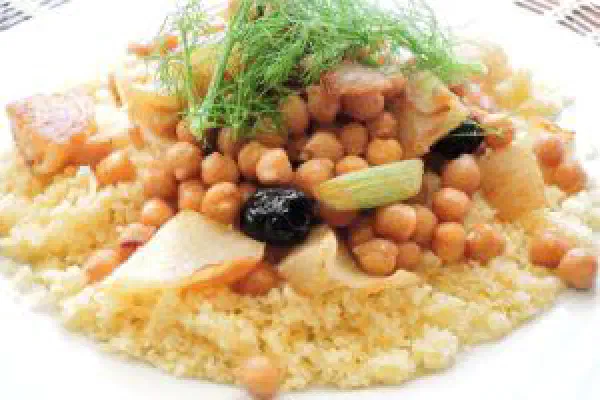
Couscous has a long and varied history, rooted deep in North African culture. The dish is a symbol of Tunisian hospitality and is often served at celebrations and special occasions. Preparing couscous is a social event in many families, where sharing food and eating together are held in high regard, as with a festive Couscous. The wealth of ingredients in vegetable couscous reflects the history and influences of the region.
More recipe ideas
Summary: Vegetable Couscous
Vegetable couscous is a versatile, easy-to-make dish that reflects the beauty of Tunisian cuisine. It brings together fresh vegetables with aromatic couscous and exotic spices that seduce the senses. Whether vegan, gluten-free or vegetarian, the possibilities for adapting it are almost endless. Let this traditional recipe inspire you and bring a taste of Tunisian hospitality into your own kitchen.