National Dish Tunisia: Zgougou Pudding (Recipe)
In this article
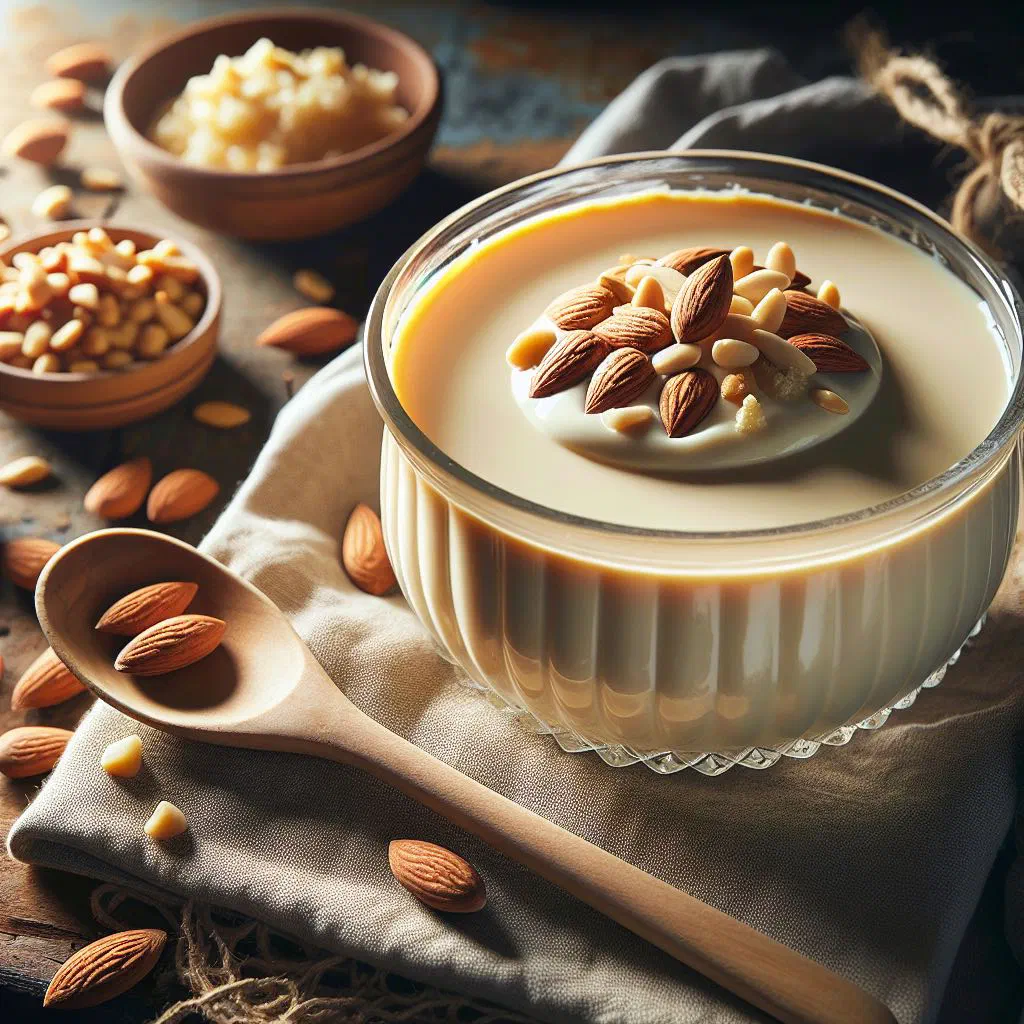
Meet Zgougou Pudding, a silky Tunisian dessert built around the earthy, nutty flavour of Aleppo pine seeds. Smooth, gently sweet and very creamy, it turns up at family celebrations and quiet weeknights alike. With its warm hint of vanilla and its distinctive North African character, this pudding carries the flavours of Tunisia straight to your table, a little spoonful of tradition that is surprisingly easy to make at home.
About Zgougou Pudding
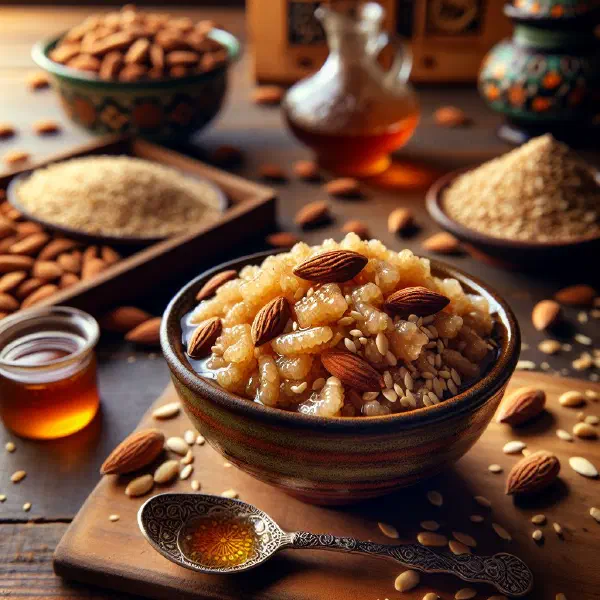
Zgougou Pudding is a much-loved dessert from Tunisia, prized for its unique blend of nutty flavour and creamy texture. It is made from pine seeds, which give the pudding its unmistakable earthy depth. Often served on special occasions, it is equally popular as a quick everyday treat. More than just a sweet, the dish is an expression of Tunisian culture, bringing the aromas of North Africa to every table it graces.
Ingredients (serves 1–2)
- 100 g pine seeds
- 500 ml milk (or a plant-based alternative)
- 75 g sugar
- 2 tablespoons cornflour
- 1 teaspoon vanilla extract
Shopping for the ingredients
To make a delicious Zgougou Pudding, it is worth choosing good-quality ingredients. Pine seeds are available from specialist delicatessens or online, and you should look for products without additives and of a reliable quality. The choice of milk matters too, especially if you would like to use a dairy-free alternative. As with the classic Couscous, a little care over sourcing goes a long way towards the final flavour.
Preparing the dish
Before you start making the Zgougou Pudding, gather all your ingredients and lightly toast the pine seeds. Toasting brings out a more intense aroma and noticeably improves the flavour of the finished pudding. Prepare your utensils in advance too, so everything runs smoothly, chiefly a saucepan, a whisk and perhaps a bowl or two for chilling the pudding once it is done.
Step-by-step instructions
- Toast the pine seeds in a pan over medium heat until golden brown.
- Add the toasted pine seeds to a saucepan with the milk and warm the mixture over medium heat.
- In a separate bowl, stir the cornflour into a little cold milk until it has fully dissolved.
- Once the milk mixture is warm, add the sugar and vanilla extract and stir well.
- Pour in the dissolved cornflour and keep stirring constantly until the mixture thickens.
- Take the pan off the heat and let the pudding cool slightly before spooning it into moulds or bowls.
- Chill the moulds in the fridge for at least 2 hours so the pudding sets firm.
Gluten-free / lactose-free version
Making the Zgougou Pudding gluten-free and lactose-free is wonderfully straightforward. Simply use a plant-based milk alternative such as almond or soya milk, and swap the ordinary cornflour for a certified gluten-free starch.
Tips for vegans and vegetarians
For a vegan version of the Zgougou Pudding, use plant-based milk and a plant-based sweetener. Vanilla extract is usually vegan, but check the label to be sure. If you like, you can also use maple syrup or coconut sugar as your sweetener. Adjustments like these make the recipe vegan and make it appealing to people following a range of different diets.
More tips and tricks
A few extra touches can help when making the Zgougou Pudding. To make it even more aromatic, add a pinch of nutmeg or cinnamon. Finishing the pudding with freshly toasted pine seeds and a dusting of cocoa powder is a lovely way to boost both its looks and its flavour. You could also experiment with different fruits as a topping to add a fresh, fruity note.
Adapting the recipe to your taste
The basic recipe for Zgougou Pudding is easy to adjust to your own preferences. Reduce or increase the sugar depending on how sweet you like it, or use a larger quantity of pine seeds for a richer consistency. Different flavourings such as orange blossom water or rose water can create interesting variations and lend the pudding a special character all of its own.
Ingredient substitutions
If you do not have pine seeds to hand, other nuts such as cashews or almonds work well too. These bring their own flavour notes and change the texture of the pudding slightly. If you would rather avoid sugar, use agave syrup or stevia instead. Keep in mind that some of these alternatives can shift the taste a little, much as they would in a sweet like Makroud or Ghraiba.
Drink pairing ideas
To round off the Zgougou Pudding experience, it is worth considering a well-matched drink. An aromatic, mild peppermint tea pairs beautifully and rounds out the dessert’s flavour. Alternatively, a chilled cocktail made from fresh fruit juices makes a refreshing accompaniment. Do not be afraid to try experimental flavour combinations to find your perfect pairing.
Serving and presentation ideas
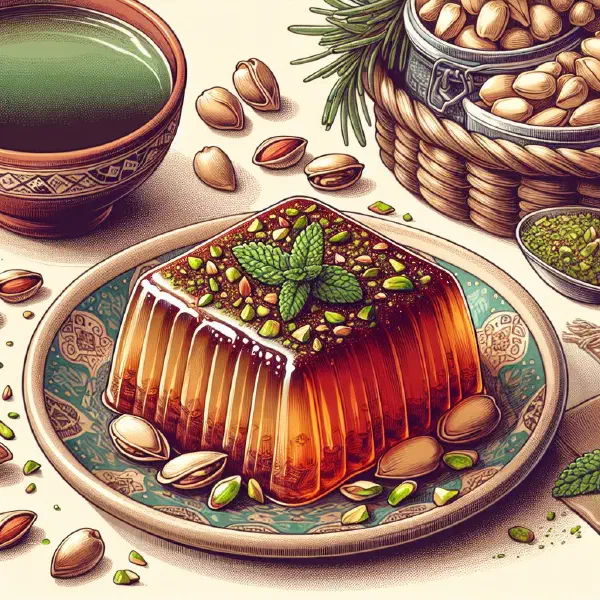
Presentation matters a great deal when it comes to making the Zgougou Pudding look inviting. Use elegant moulds or bowls and garnish the pudding creatively with fresh fruit, mint or edible flowers. A little icing sugar on top or a drizzle of chocolate sauce can add lovely accents too. Aim for a clean colour palette to make the dessert look all the more appetising.
A bit of history
The roots of Zgougou Pudding reach deep into Tunisian cooking. Traditionally, the pudding is made with ingredients available locally, which marks it out as a genuine regional dish. Pine seeds are nutritious and full of flavour, and they have a long history in Tunisian gastronomy. In many households the pudding is prepared for festive occasions, underlining its cultural significance within Tunisian cuisine, a tradition it shares with sweets like Zlabia.
More recipe ideas
Summary: Zgougou Pudding
Zgougou Pudding is not simply a dessert but a culinary delicacy of Tunisia. With its nutty note and creamy consistency, it is hugely popular and easy to vary to your liking. Whether as a gluten-free or vegan version, there are plenty of ways to adapt it to suit personal tastes. Let this delicious dessert carry you away to the kitchens of North Africa and savour its one-of-a-kind aroma.