National Dish Turkmenistan: Beshbarmak (Recipe)
In this article
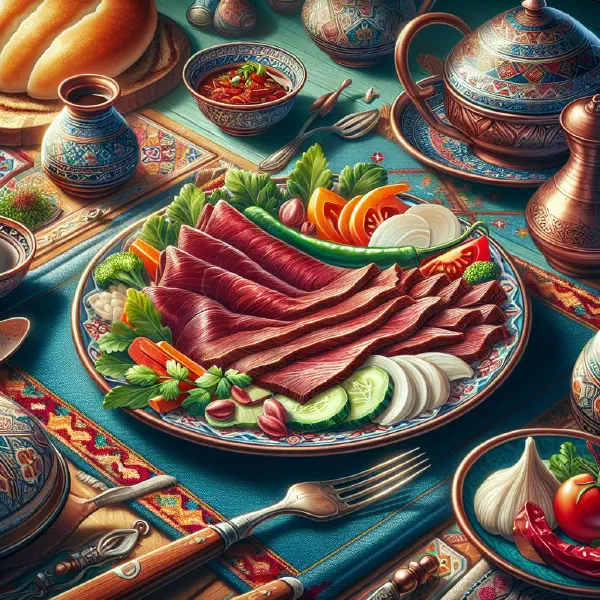
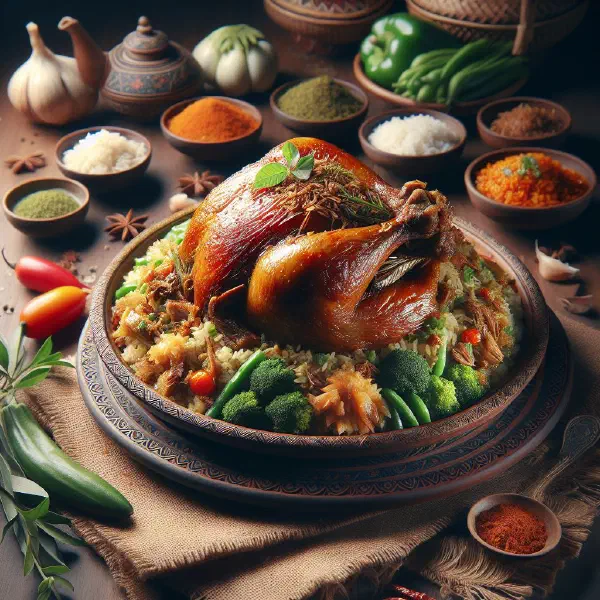
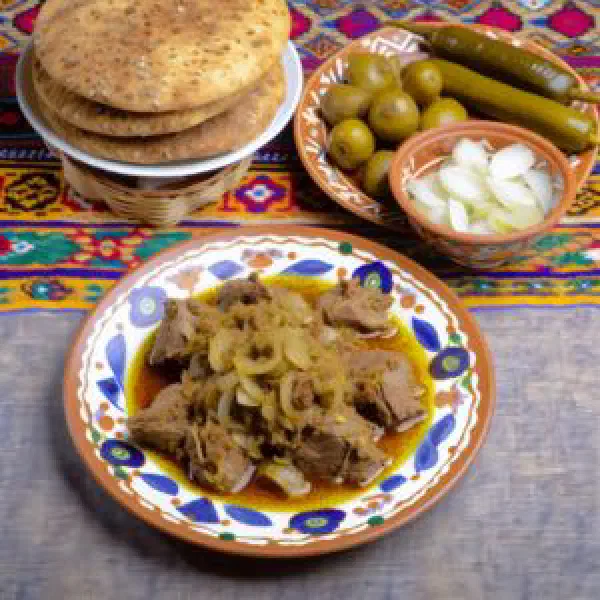
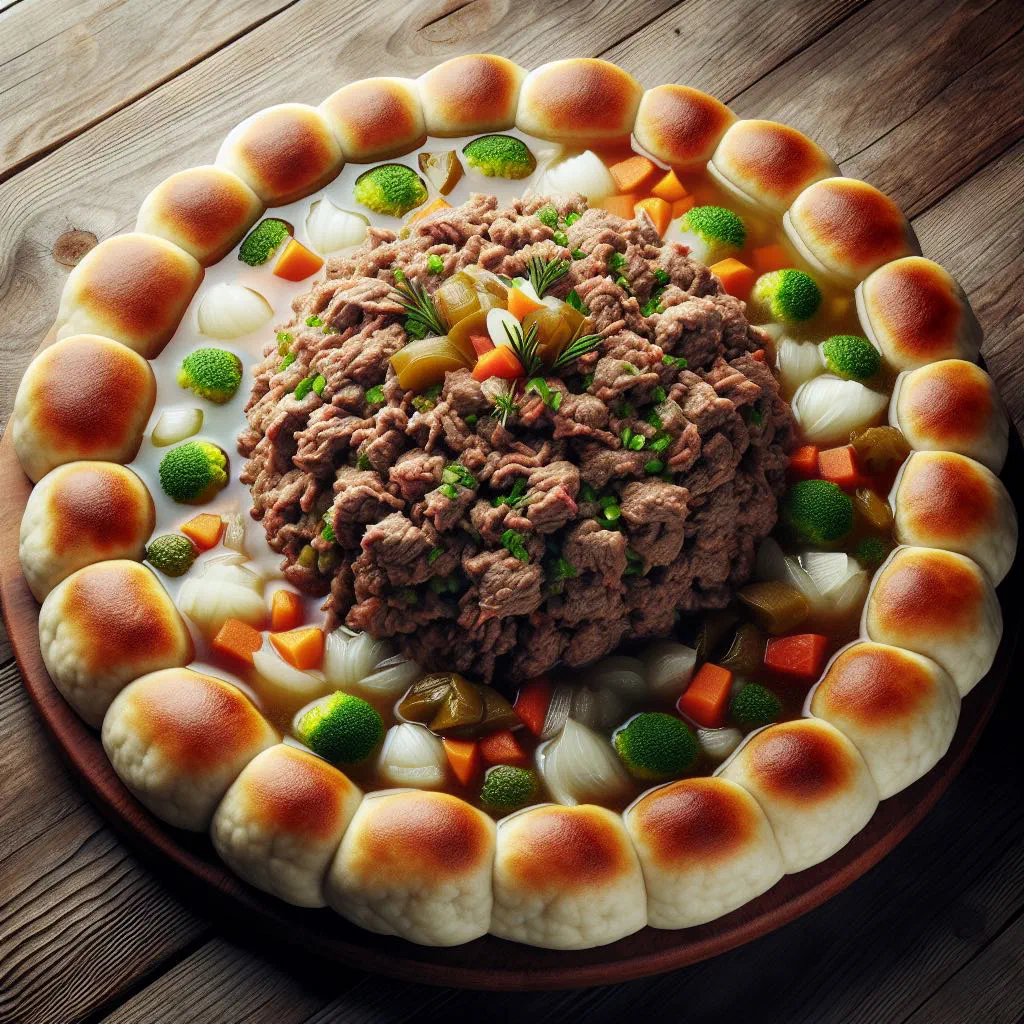
Discover Beshbarmak, the proud national dish of Turkmenistan. This hearty plate brings together tender simmered meat, wide handmade noodles and a fragrant broth that has warmed nomad tables for generations. Its name means “five fingers”, a nod to the tradition of eating it by hand, and it remains the centrepiece of festive gatherings and family feasts. Simple to prepare yet deeply satisfying, it is comfort food that invites everyone to share.
About Beshbarmak
Beshbarmak is a traditional dish from Turkmenistan, celebrated for its uncomplicated preparation and its rich, savoury flavour. The name translates literally as “five fingers”, since it is traditionally eaten with the hands. It is most often served at festive occasions and family celebrations, and it holds a special place in Turkmen culture. The two main components are meat and noodles, which together create a filling and flavoursome dish that is as much about togetherness as it is about taste.
Ingredients (serves 1–2)
- 300 g lamb or beef
- 150 g wheat noodles
- 1 onion
- 2–3 potatoes
- 2–3 carrots
- Salt and pepper to taste
- Fresh herbs, to garnish (e.g. parsley)
Shopping for the ingredients
To make beshbarmak, fresh and good-quality ingredients make all the difference. Visit your local butcher for the best cut of meat, as this forms the foundation of the whole dish. Choose vegetables that are firm and fresh so they lend the fullest flavour. The wheat noodles can be either fresh or dried according to your preference. Both work beautifully here, and either is easy to find in a regular supermarket.
Preparing the dish
Preparing beshbarmak is straightforward, though it does call for a little planning. The meat should be cut into large pieces before cooking to ensure it simmers evenly. The onions, potatoes and carrots need to be prepared too, chopped into even pieces so everything cooks at the same pace.
Step-by-step instructions
- Place the lamb or beef in a pot and cover generously with water.
- Bring the meat to the boil, then reduce the heat and let it simmer gently for about 1 to 1.5 hours.
- After an hour, add the onions, potatoes and carrots.
- Cook the noodles in a separate pot according to the packet instructions.
- Once the meat and vegetables are tender, lift the meat from the pot, cut it into small pieces and set the vegetables aside.
- Arrange the noodles on a large platter and spread the meat and vegetables over the top.
- Garnish with fresh herbs and serve.
Gluten-free / lactose-free version
For a gluten-free version of beshbarmak, use gluten-free noodles or adapt the recipe by serving it with rice instead. Take care that all the other ingredients are gluten-free as well. No special changes are needed for a lactose-free meal, as the dish contains no dairy products at all.
Tips for vegans and vegetarians
For a vegan version of beshbarmak, swap the meat and stock for plant-based alternatives. Soya or lentil patties make an excellent stand-in for the meat, while a good vegetable stock provides all the depth of flavour you need. Instead of the usual wheat noodles, you could also use vegetable noodles made from courgette or carrot for a lighter twist.
More tips and tricks
To deepen the flavour of beshbarmak, add aromatic spices such as bay leaves or peppercorns to the cooking water. The meat should be seasoned carefully to bring out its full character, and a long, slow simmer ensures it turns meltingly tender while the flavours mingle. Let the dish rest for a few minutes before serving so the aromas can fully develop.
Adapting the recipe to your taste
Beshbarmak is easy to tailor to your own preferences. Depending on your taste, you can add more or less vegetables, or use different kinds of meat. If you like a livelier, warmer flavour, add chilli or garlic to the pot. Experiment with the ingredients until you have created your own perfect version of this comforting dish.
Ingredient substitutions
If you would rather not use lamb or beef, chicken or even horse meat works well for beshbarmak. For a vegetarian plate, beans or chickpeas make a good source of protein. Instead of the usual wheat noodles you can reach for rice noodles to keep the dish gluten-free. The key is simply to try new ingredients and shape the meal to suit your wishes, much as you might with a hearty Shorba.
Drink pairing ideas
A range of drinks complements beshbarmak beautifully. A traditional black tea or a fresh herbal tea harmonises wonderfully with the flavours of the dish. For a more festive touch, serve alcohol-free cocktails or a light lemonade to balance the savoury, salty notes of the food. Water with a few slices of lemon or a sprig of mint is another refreshing choice, as is a cooling glass of Ayran.
Serving and presentation ideas
Presenting beshbarmak attractively is simple. Arranging it on one large platter gives the dish a convivial, shared feel that is treasured in many cultures. Fresh herbs scattered over the top, or small bowls of extra sauce set alongside, can lift the whole appearance. Above all, serve it with a smile and celebrate the pleasure of eating together.
A bit of history
Beshbarmak is more than a meal; it is an important part of Turkmen and wider Central Asian culture. Originally prepared by nomadic peoples, it has found its way over the years into modern kitchens across the region. Historically it has always been served at celebrations and special occasions, which underlines its social significance. The preparation and sharing of beshbarmak run deep in Turkmen tradition, symbolising hospitality and community, values at the heart of Turkmen cuisine.
More recipe ideas
Summary: Beshbarmak
Beshbarmak is a delicate yet hearty dish from Turkmenistan that is treasured in countless households. With its simple preparation and adaptable ingredients, it can easily be adjusted to suit different tastes. Beshbarmak brings families and friends together and creates a warm, sociable atmosphere. Give it a try and discover the flavours of Turkmen cuisine for yourself.