National Dish Turkmenistan: Churek (Recipe)
In this article
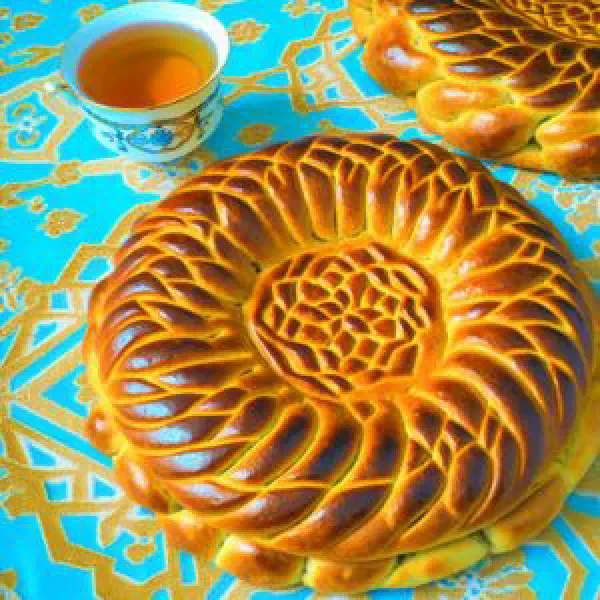
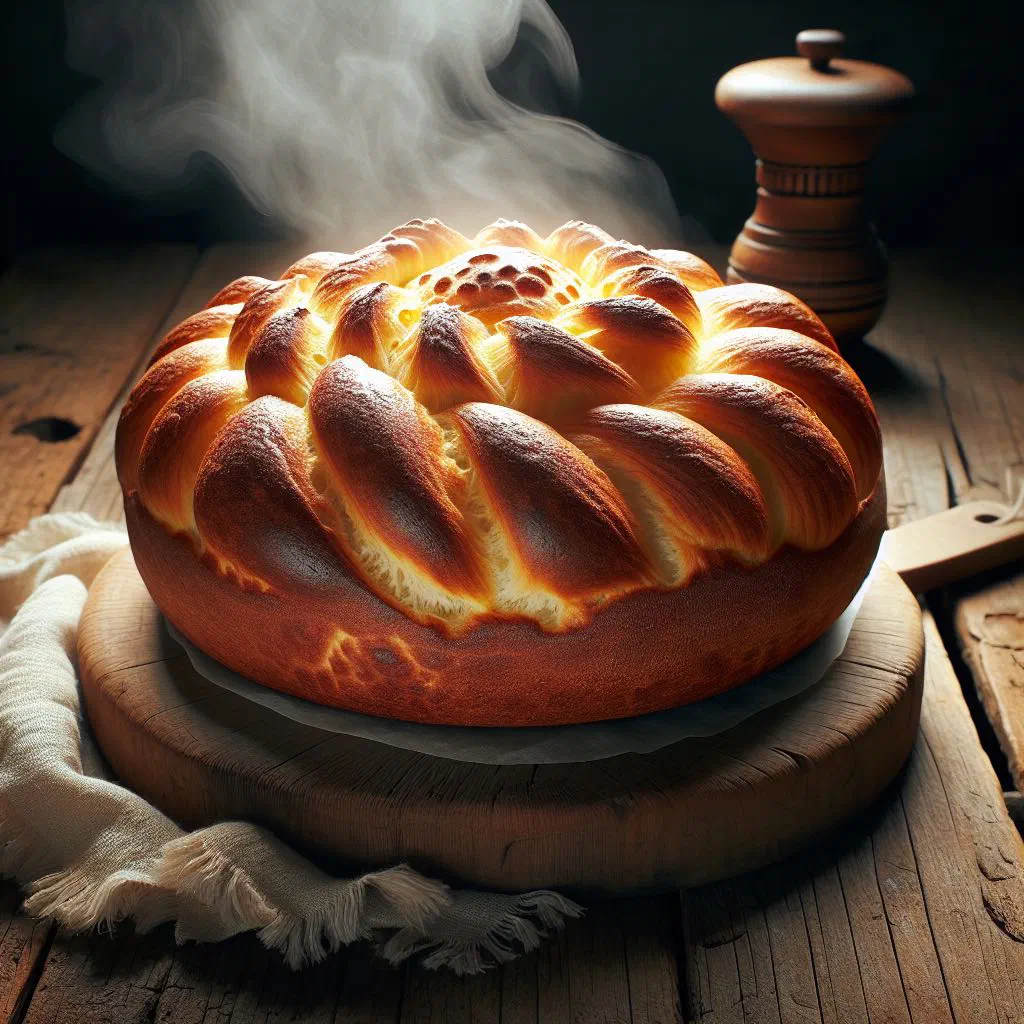
Meet Churek, the humble flatbread that sits at the heart of the Turkmen table. Baked fresh in homes across the country, this simple round loaf is far more than everyday fare. It is a warm symbol of hospitality, offered to every visitor alongside a steaming cup of tea. Made from just a handful of storecupboard staples, it comes together beautifully and works as a side, a snack or the centrepiece of a shared meal. Bring a little of Turkmenistan’s welcoming spirit into your own kitchen.
About Churek
Churek is a traditional flatbread baked daily in many Turkmen households. Its charm lies in the ease of the preparation and the use of basic ingredients that you will find in almost any kitchen. Far from being just something to eat, Churek acts as a symbol of hospitality: guests are frequently welcomed with fresh bread and a cup of tea, a gesture that captures the deep culture of welcome found throughout Turkmenistan. It is a bread that belongs on every table and suits every occasion.
Ingredients (serves 1–2)
- 250 g wheat flour
- 125 ml water
- 1 sachet dried yeast (7 g)
- 1 teaspoon salt
- 1 teaspoon sugar
- 2 tablespoons olive oil
Shopping for the ingredients
When shopping for the ingredients for Churek, it is worth choosing good-quality flour, as it forms the very foundation of the bread. Fresh dried yeast ensures the dough develops well and gives a light, fluffy crumb. You will usually find everything you need in any well-stocked supermarket or in a Turkish or Middle Eastern grocery. Most of these ingredients are inexpensive and easy to come by, which makes Churek an ideal bake for any occasion.
Preparing the dish
Before you begin making Churek, gather all the ingredients and organise your work surface. Sift the flour into a large bowl to encourage airiness in the dough. Measuring out the liquids and getting the other ingredients ready are equally important steps that keep the process running smoothly. The care you take during the preparation is reflected in the final result, ensuring a tasty and authentic bread.
Step-by-step instructions
- In a bowl, combine the dried yeast, sugar and lukewarm water, then leave to rest for 10 minutes.
- Mix the sifted flour, salt and olive oil together in a large bowl.
- Add the yeast mixture to the flour and knead well until you have a smooth dough.
- Cover the dough and leave it to prove in a warm place for 1 hour, until risen.
- Preheat the oven to 220°C and line a baking tray with baking paper.
- Turn the risen dough out onto a floured surface, divide into portions and shape into round flatbreads.
- Place the flatbreads on the tray and, if you like, brush with water for a crisp crust.
- Bake for around 15–20 minutes, until golden brown and crunchy.
Gluten-free / lactose-free version
For a gluten-free version of Churek, use gluten-free flour based on rice flour or almond flour. It is also wise to check that your yeast is certified gluten-free. As for lactose, this recipe is easily kept dairy-free by sticking to olive oil or other common plant oils such as coconut or sunflower oil, both of which work beautifully. These simple swaps mean you can enjoy Churek without setting aside any important dietary needs.
Tips for vegans and vegetarians
Churek is naturally vegan, as it contains no animal products whatsoever. To make the bread even more nourishing, you can work extra ingredients such as linseeds, mixed seeds or fresh herbs into the dough. These additions bring flavour and an interesting texture. It is well worth experimenting with different spices to broaden and personalise the distinctive taste of Churek. For another naturally plant-based bake, try Pishme.
More tips and tricks
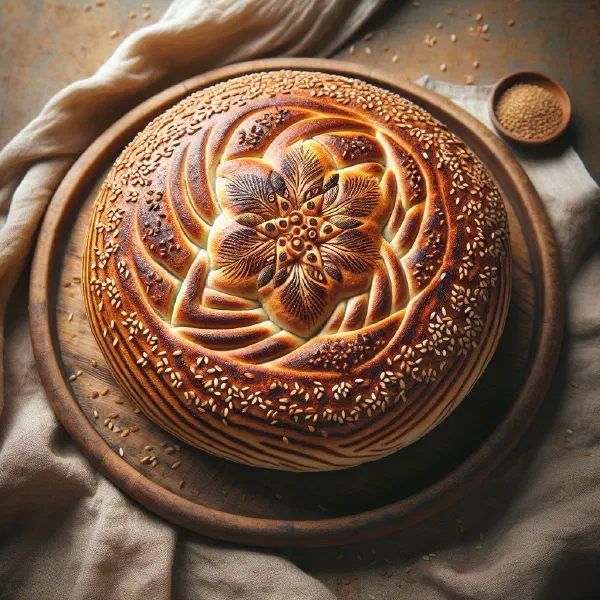
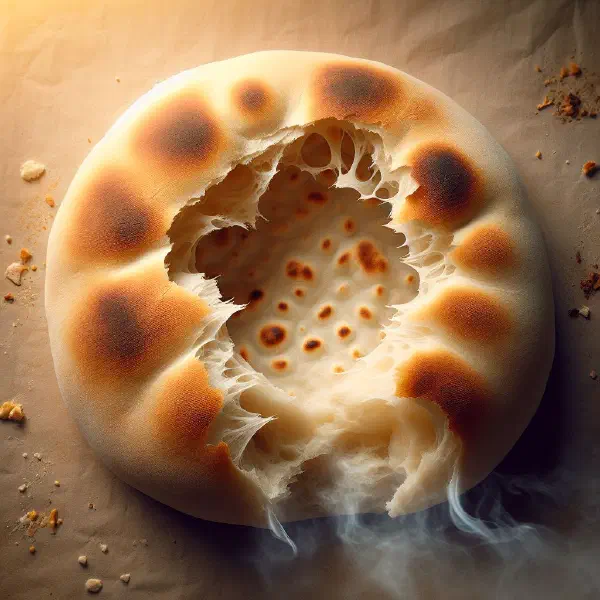
To make Churek even more flavourful, scatter the dough with sesame seeds or nigella seeds before baking. These little grains lend an extra aromatic note. It also helps to place a dish of water in the oven to create steam during baking, which makes the bread fluffier still. Play around with the baking time to achieve the perfect texture and colour for your Churek.
Adapting the recipe to your taste
The Churek recipe is easy to adapt to personal preference. The amount of salt, for example, can be reduced or increased to suit your palate. Adding ingredients such as garlic or cream cheese can also give the bread a different depth of flavour. The same generous, hospitable spirit runs through hearty mains like Beshbarmak.
Ingredient substitutions
Instead of wheat flour, you can use spelt flour or oat flour if you fancy a wholesome variation. For a lighter, airier crumb, try making the dough with sparkling water. Experiment with different oils for different flavours, such as walnut or avocado oil. The aim is to find variations that flatter your palate and keep the bake interesting.
Drink pairing ideas
Churek goes especially well with savoury teas, which are served so often in Turkmen culture, much like the refreshing Ayran yoghurt drink. A fresh mint tea or a black tea complements the flavours of the bread perfectly. Yoghurt or buttermilk also offers a cooling contrast that rounds off the meal. For special occasions, a robust red wine or a fruity cocktail makes a fine finishing touch.
Serving and presentation ideas
Churek can be presented simply or with a little creative flair. Serve the bread on a traditionally decorated wooden board or an earthenware plate for an inviting look. Fresh herbs or filled dips alongside make the spread appealing both to the eye and the palate. Offering the bread in small pieces lets guests share and enjoy the Churek with ease.
A bit of history
Churek has a long tradition in Turkmenistan and stands for the food culture of the region. Historically it was passed down from one generation to the next and baked regularly in most households. In rural areas, Churek is often cooked in special stone ovens, which give the bread a unique texture and an unmistakable aroma. Making the bread is frequently a communal activity that brings together the women of the family or the neighbours, supporting the strong sense of community that runs through Turkmen cuisine.
More recipe ideas
Summary: Churek
Churek is far more than a simple flatbread; it is a piece of Turkmen culture with a place in every home. With its easy preparation and the freedom to adapt it to personal taste, it is a firm favourite for any occasion. Churek wins people over with its delicious flavour and its versatility. As you bake, let your creativity run free and bring a touch of Turkmenistan into your kitchen.