National Dish Turkmenistan: Pishme (Recipe)

In this article
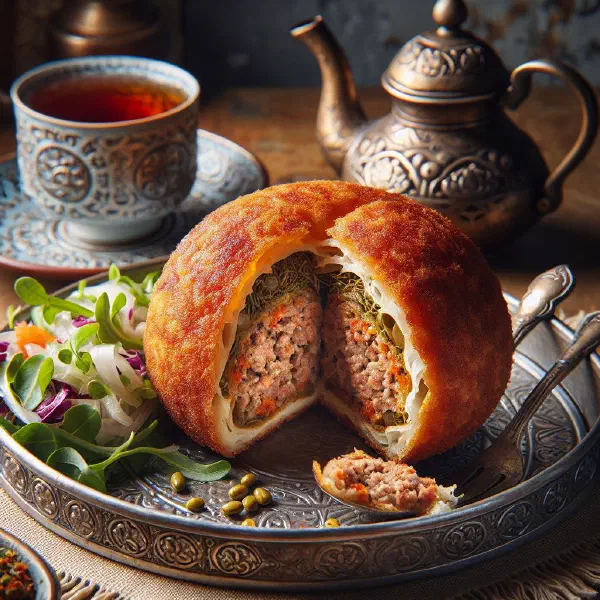
Meet Pishme, a much-loved treat from the heart of Central Asia that turns up on the table whenever there is something to celebrate. These golden, filled dough pockets are fried until crisp and packed with a savoury mix of meat, vegetables and warming spices. Wonderfully versatile, they work equally well as a hearty main or a moreish snack, a delicious way to bring the flavours of the Turkmen kitchen straight into your own home.
About Pishme
Pishme is a traditional dish from Turkmenistan, often served at festive occasions and family gatherings. These delicious filled flatbreads are a popular snack and a wonderful way to enjoy the flavours of Central Asian cuisine. The filling can be made from savoury meat, vegetables and a generous mix of spices, giving every bite its own distinctive character. Thanks to their versatility, pishme can be enjoyed both as a main course and as a side dish.
Ingredients (serves 1–2)
- 250 g flour
- 150 ml water
- 200 g minced meat (beef or lamb)
- 1 onion, finely chopped
- 1 carrot, grated
- 1 teaspoon salt
- 1 teaspoon pepper
- 1 teaspoon paprika
- Oil, for frying
Shopping for the ingredients
To make pishme, start by gathering all the ingredients you need. Most are available in an ordinary supermarket, especially in shops with an international aisle. Look out for fresh vegetables and good-quality meat to get the very best flavour. It is also worth visiting a local market, where you may well discover regional variations of the ingredients, much as you would when tracking down the makings of a proper Plov.
Preparing the dish
Before you begin making pishme, it is important to prepare everything well. Tip the flour into a large bowl and add the water little by little to work it into a smooth dough. The minced meat can be combined with the chopped onions and grated carrot to bring the filling together. Don’t forget to season the mixture generously so that the dish develops its full flavour.
Step-by-step instructions
- Combine the flour and water in a bowl and knead into a smooth, pliable dough.
- Divide the dough into small portions and roll each one out thinly.
- Spread the filling of minced meat, onion, carrot and spices evenly across the centre of each round.
- Seal the edges of the rounds well and press each pishme gently to flatten it slightly.
- Heat the oil in a pan and fry the pishme on both sides until golden brown.
Gluten-free / lactose-free version
For anyone wanting to avoid gluten or lactose, there are easy alternatives when making pishme. In place of wheat flour, use rice flour or a gluten-free flour blend. For a lactose-free version, simply fry in oil rather than using butter. Take care to choose gluten- and lactose-free ingredients for the filling too, so the whole dish suits your needs.
Tips for vegans and vegetarians
Vegans and vegetarians need not miss out on pishme. The filling can easily be swapped for plant-based alternatives such as lentils, quinoa or tofu. These make an excellent source of protein and can be seasoned to taste. Vegetables and pulses also make the filling flavoursome and nourishing without losing the traditional character of the dish, the same approach that shines in a hearty Ishlekli.
More tips and tricks
To make pishme especially delicious, a few tips are worth keeping in mind. Let the dough rest for at least 30 minutes before rolling it out, so it becomes more elastic. Make sure the filling is not too moist, to stop it leaking out during frying. Experiment with different spices to give the dish your own personal touch and discover new flavours along the way.
Adapting the recipe to your taste
Pishme are wonderfully adaptable when it comes to the choice of filling. Alongside minced meat, you might add mushrooms, spinach or even cheese. For a spicier version, work some chillies or hot spices into the filling.
Ingredient substitutions
If an ingredient in the recipe is not to hand, there are often good alternatives. Minced meat, for example, can be replaced with vegetables or pulses to boost the nutritional value. For the dough, you could also use cornmeal, which lends it a particularly aromatic note. Substitutions like these mean that even those with special dietary needs can enjoy pishme, just as they might a comforting bowl of Manty.
Drink pairing ideas
To round off the pishme experience, a range of drinks works beautifully. A refreshing yoghurt drink or a classic tea pairs perfectly with the savoury flavours of the dish. For a festive touch, you might also consider a fruity cocktail or local Turkmen drinks. These combinations make for a well-balanced and thoroughly enjoyable meal.
Serving and presentation ideas
An attractive presentation can make pishme even more enjoyable. Serve the flatbreads on a large platter, perhaps garnished with fresh herbs such as parsley or coriander. Add a sauce or dip alongside for extra flavour. Presenting the pishme warm brings the aromas to life all the more, and your guests are sure to be pleased.
A bit of history
Preparing pishme has a long tradition in Turkmen culture. In many households they are made for festive occasions and celebrations. This reflects the culinary richness of Turkmenistan and the deep-rooted values of hospitality. Making pishme brings the family together and allows delicious food to be shared, a central aspect of the Turkmen way of life and a proud part of Turkmen cuisine.
More recipe ideas
Summary: Pishme
Pishme is a delicious and versatile dish that embodies the flavours and traditions of Central Asia. With a creative filling and a crisp dough, it offers plenty of scope for adaptation, so every food lover will find something to enjoy. Whether for a celebration or an everyday meal, pishme are a real delicacy. Give the recipe a try and savour the unique flavours of Turkmenistan.