National Dish Turkmenistan: Tokmach (Recipe)
In this article
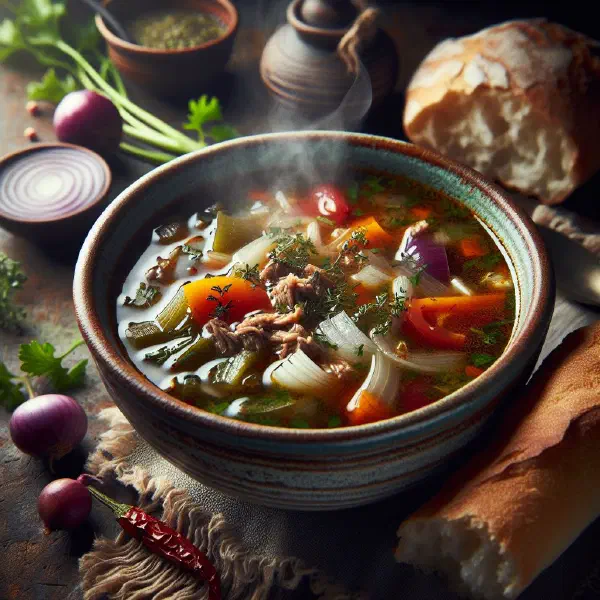
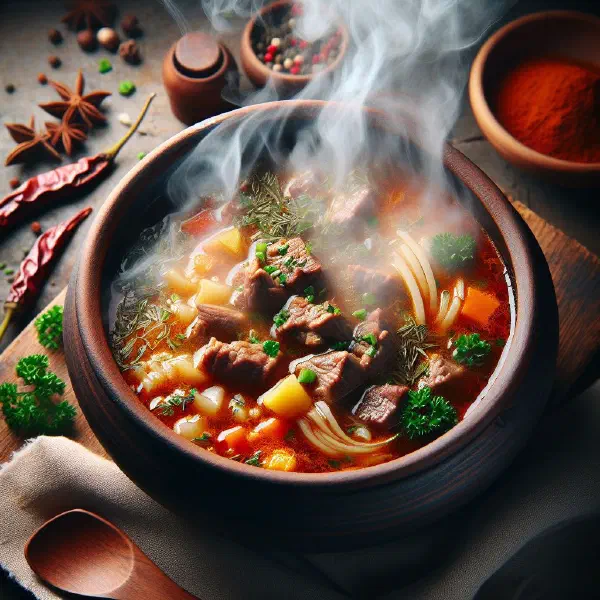
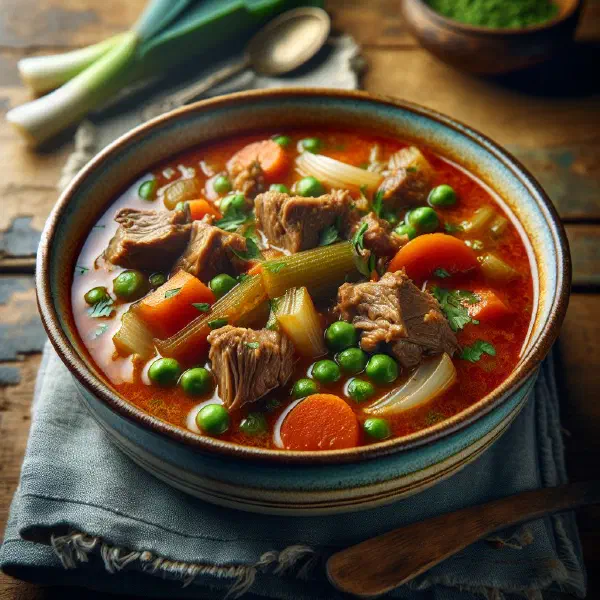
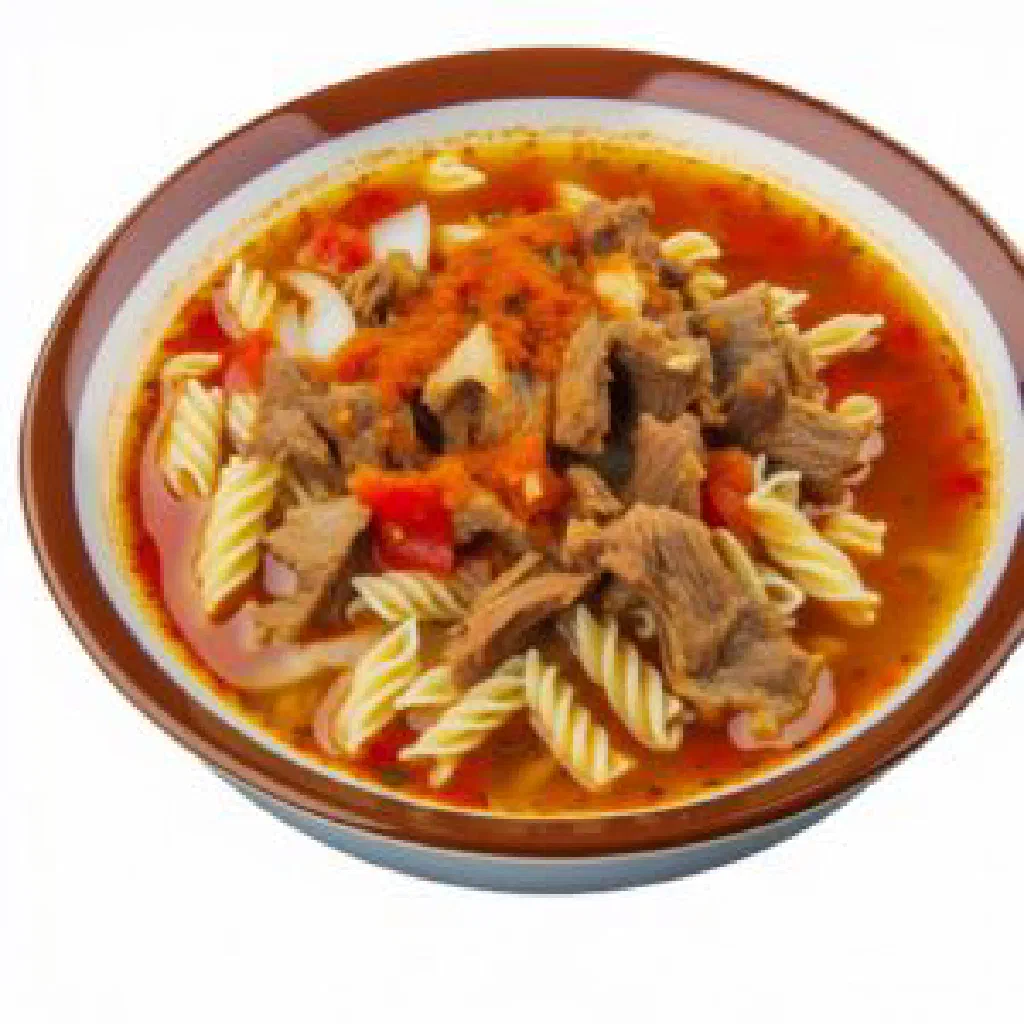
Warm up with Tokmach, a traditional Turkmen noodle soup celebrated for its tender pasta and its rich, fragrant broth. Every spoonful brings together fresh vegetables, gently simmered meat and a handful of bright herbs, making this a dish that feels like a warm welcome in a bowl. Served at family tables and festive gatherings alike, it captures the generous spirit of Turkmen hospitality in the simplest, most comforting way.
About Tokmach
Tokmach is a traditional Turkmen dish known for its tender noodles and its rich, aromatic broth. It brings together a variety of fresh ingredients that lend every bite an intense, satisfying flavour. The dish has a long history in Turkmenistan and is often served on special occasions and at festivals. More than just a meal, Tokmach is a piece of culture that reflects the deep-rooted hospitality of the Turkmen people.
Ingredients (serves 1–2)
- 200 g fresh noodles
- 1 litre chicken or vegetable stock
- 200 g lean beef or chicken breast
- 1 onion, finely chopped
- 2 carrots, sliced
- 1 pepper, diced
- Fresh herbs (parsley, dill)
- Salt and pepper to taste
Shopping for the ingredients
To make Tokmach well, it is important to choose the right ingredients so you get an authentic flavour. Visit a local market or supermarket to track down the freshest produce. Try to buy the noodles fresh, as they offer the best texture once combined with the broth. It is also worth seeking out good-quality cuts of meat to achieve a particularly tender and flavourful result.
Preparing the dish
Before you start cooking Tokmach, take the time to prepare all the ingredients properly. Cut the meat into small cubes and, ideally, marinate it for an hour so it can absorb the flavours more deeply. The vegetables should also be chopped small so they cook evenly and give their freshness and aroma to the broth. The better the preparation, the easier the cooking process becomes, and the more you can savour every element of the dish.
Step-by-step instructions
- Bring the stock to the boil in a large pan.
- Add the prepared meat and let it simmer for about 15 minutes.
- Add the onion and vegetables to the pan and cook everything for a further 10 minutes.
- Add the fresh noodles to the broth and let them cook for 5–7 minutes, until soft.
- Season the broth with salt and pepper and stir well.
- Serve the dish hot and garnish with fresh herbs.
Gluten-free / lactose-free version
For a gluten-free version of Tokmach, use gluten-free noodles, which are widely available in supermarkets. Make sure all the other ingredients are gluten-free too. For a lactose-free option, simply reach for a plant-based stock. That way the flavour is preserved without triggering any intolerances, and the dish stays every bit as tasty and nourishing.
Tips for vegans and vegetarians
For a vegan or vegetarian version of Tokmach, simply replace the meat with tofu or tempeh. Use a rich vegetable stock and add extra vegetables such as courgette or mushrooms to give the dish more depth. The cooking times for tofu are similar to those for meat, so the preparation stays just as straightforward. Remember to boost the seasoning with a range of herbs and spices.
More tips and tricks
One key tip when making Tokmach is to let the broth simmer for as long as possible. The longer it draws, the more flavour it develops. It is also worth adding extra seasonings such as garlic or chilli to give the dish a personal touch. Bear in mind that the choice of ingredients is decisive for the final result, especially in a dish that leans so heavily on fresh produce.
Adapting the recipe to your taste
One of the joys of Tokmach lies in its versatility. You can adjust the recipe entirely to your own taste by choosing different vegetables or types of meat. If you are a fan of bolder, spicier flavours, add chillies or other seasonings. Be creative and experiment until you find your own favourite version, much as you might when preparing a comforting bowl of Etli Chorba.
Ingredient substitutions
If you do not have certain ingredients to hand, alternatives work just as well. Instead of fresh noodles you can use dried ones, adjusting the cooking time accordingly. There are no limits when it comes to the vegetables either; options such as potatoes or broccoli can make a wonderful addition. Tinned staples like cooked chickpeas or lentils are also handy protein alternatives without meat.
Drink pairing ideas
Tokmach pairs beautifully with a variety of drinks. A traditional Turkmen tea is a classic accompaniment that underlines the flavours of the dish, and a cooling glass of Ayran works just as well. Alternatively, you could serve a light lager or a fruity sparkling water. These drinks help harmonise the flavours of the meal while highlighting its fresh ingredients.
Serving and presentation ideas
To present Tokmach attractively, serve it in deep bowls and garnish with fresh herbs. Add a few lemon slices for a touch of colour and freshness. Setting out a small dish of extra broth or a selection of sides can also lift the whole presentation. Make sure the colours of the fresh ingredients are on show to please the eye of everyone at the table.
A bit of history
Tokmach is a dish and an important part of Turkmen culture and history. The recipe is often passed down from generation to generation and is regarded as a mark of hospitality. At larger events and festivals, Tokmach holds a special place, symbolising the community and cultural values of Turkmen society. This warm tradition shows just how important family and friends are within Turkmen cuisine.
More recipe ideas
Summary: Tokmach
Tokmach is another fascinating example of Turkmen cooking, winning admirers with both its variety of flavour and its cultural significance. The dish is ideal for sociable gatherings and offers a glimpse into the traditions of Turkmenistan. Because the recipe adapts so readily to personal preference, Tokmach remains accessible to everyone. Discover the flavours and the hospitality of Turkmen cuisine with a delicious bowl of Tokmach.