National Dish Tuvalu: Coconut Crab (Recipe)
In this article
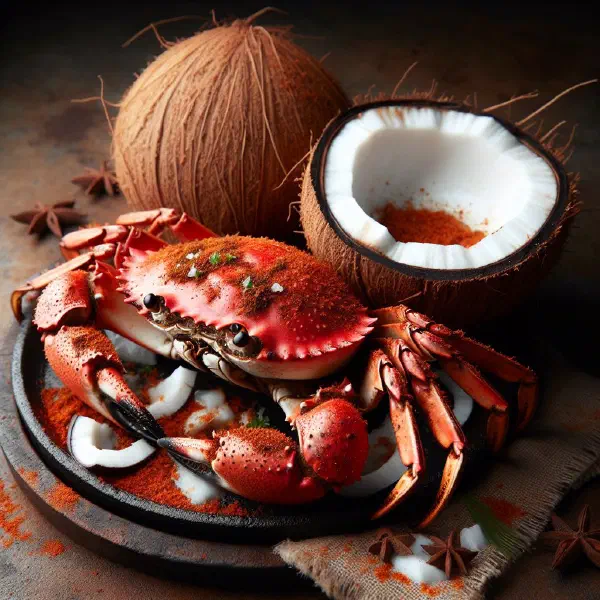
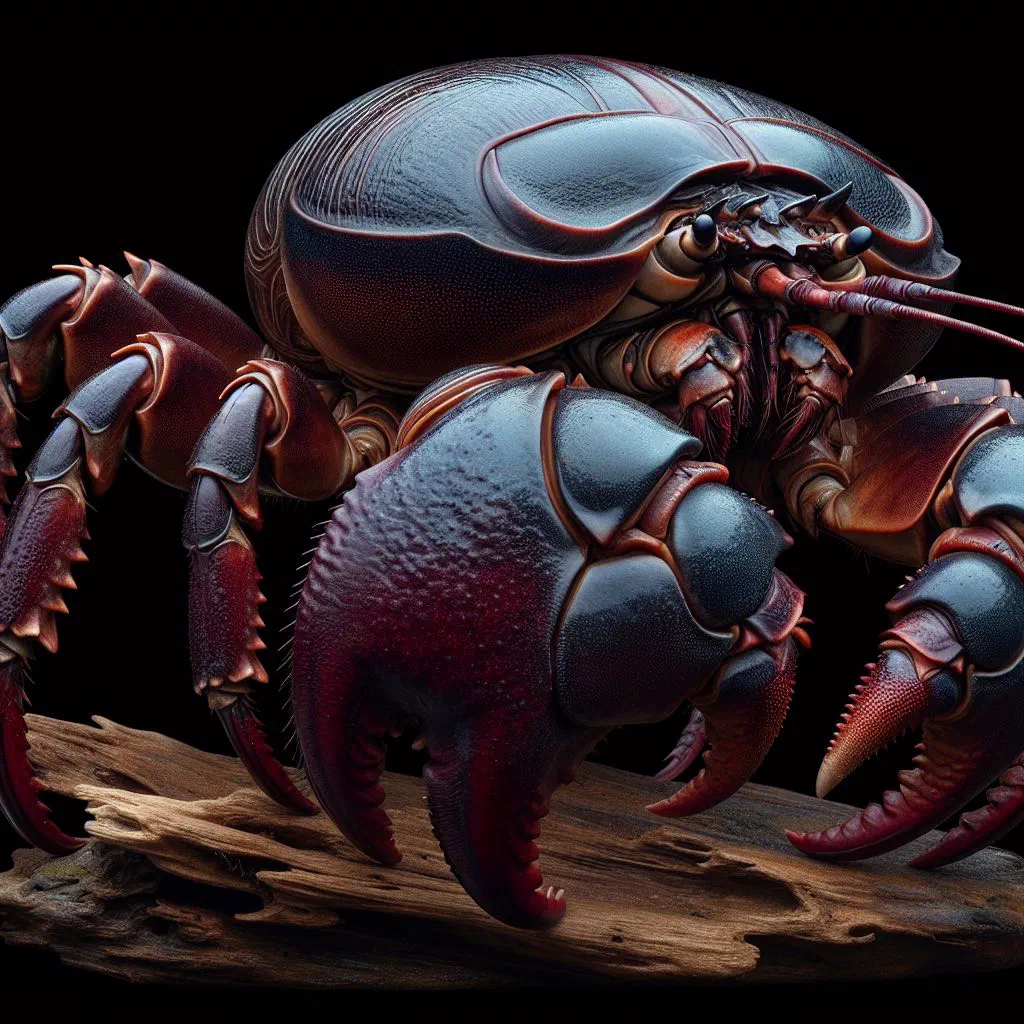
Say hello to Coconut Crab, a dish that bottles the sunshine and salt-air freshness of the Pacific in a single pan. Sweet, tender crab meat is gently cooked in fragrant coconut oil with garlic, ginger and a squeeze of lime, then finished with fresh herbs. Treasured across Tuvalu as a true national favourite, it is simple enough for a relaxed barbecue yet special enough for a celebratory dinner. One forkful and you will understand why this island classic turns heads.
About Coconut Crab
Coconut Crab is a genuinely extraordinary dish that brings together the bright flavours and freshness of the Pacific region. This seafood speciality is cherished in Tuvalu as a real national dish, offering an unbeatable pairing of sweet crab meat and the rich, rounded taste of coconut oil. Its straightforward preparation makes it ideal for any occasion. Coconut crab is always the star of the table.
Ingredients (serves 1–2)
- 500g fresh coconut crab
- 2–3 tablespoons coconut oil
- 2 garlic cloves, finely chopped
- 1 teaspoon ginger, grated
- Juice of 1 lime
- Salt and pepper, to taste
- Fresh herbs (such as coriander), to garnish
Shopping for the ingredients
To make the perfect coconut crab, you will need fresh ingredients that have a real bearing on the quality of the finished dish. Visit a local fish market or a well-stocked grocer to track down fresh coconut crab. Look for crab that appears lively and healthy, as this is the surest sign of freshness. It is also worth choosing a good-quality coconut oil, since it intensifies the flavour of the dish considerably.
Preparing the dish
Before you start cooking the coconut crab, it is important to gather and prepare all of your ingredients. Begin by cleaning the crab and carefully extracting the meat. While you do this, finely chop the garlic cloves and grate the ginger. Preparing everything in advance saves time and makes sure that all is ready to go once the cooking begins.
Step-by-step instructions
- Heat the coconut oil in a large pan over medium heat.
- Add the chopped garlic and grated ginger, and fry briefly until aromatic.
- Add the crab meat to the pan and cook for about 5–7 minutes, until cooked through and lightly golden.
- Drizzle the lime juice over the finished dish and season with salt and pepper to taste.
- Garnish with fresh herbs just before serving.
Gluten-free / lactose-free version
Coconut crab is naturally gluten-free and lactose-free, which makes it a wonderful choice for anyone with intolerances. No special adjustments are needed to bring the recipe in line with these dietary requirements. Simply use fresh ingredients and good-quality coconut oil to keep the dish clean and pure. Enjoy it without a second thought.
Tips for vegans and vegetarians
Although coconut crab is a seafood dish, there are creative ways to put together a vegan or vegetarian version. In place of the crab meat you might use soy-based protein or vegetables, sautéed in coconut oil. Add a variety of vegetables to play with both texture and flavour. A hint of lime and a scattering of fresh herbs really make the aromas sing.
More tips and tricks
For a flawless result when cooking coconut crab, getting the temperature right is essential. Take care not to overheat the oil, so that the ingredients do not catch and burn. Another useful tip is to avoid moving the crab around too often while it fries, allowing it to form a lovely crust. Experiment with different herbs and spices to create your own unique flavour.
Adapting the recipe to your taste
Coconut crab is easy to tailor to personal preference. You can turn up the heat by adding a little chilli or cayenne pepper, or introduce a touch of sweetness with honey or agave syrup. The type of vegetables you include can vary too; courgette or peppers make excellent additions. Take the chance to be creative and play around with your favourite flavours.
Ingredient substitutions
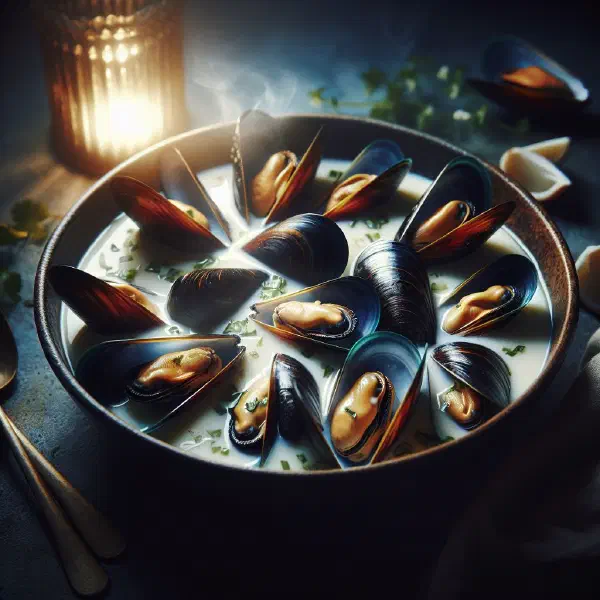
If you do not have every ingredient for coconut crab to hand, there are a few alternatives worth considering. Instead of fresh coconut oil you can use olive oil, though the flavour will shift slightly. In place of the crab you can also use other shellfish such as prawns or mussels, prepared in much the same way, the same approach that works beautifully in a Seafood Curry. Variations like these can lend your dish a whole new dimension.
Drink pairing ideas
To round off the coconut crab experience, choose drinks that complement its flavours in harmony. A cool, delicate white wine or a fresh rosé make excellent partners. For alcohol-free options, a lime-based soft drink or fresh coconut water pairs very nicely with the dish. These combinations bring the whole tasting experience to a perfect close.
Serving and presentation ideas
Presentation can lift the entire coconut crab experience considerably. Serve the dish in a large bowl garnished with fresh herbs. Add colourful ingredients such as grilled peppers or courgette for a beautiful contrast. Be sure to serve the dish straight after cooking, so that its freshness and aromas come through at their best, and consider a side of Coconut Rice to soak up every drop of sauce.
A bit of history
Coconut crab has its roots in the traditionally rich and varied cuisine of Tuvalu. The dish is often served at festive occasions and reflects the cultural influences of the Pacific. The use of coconuts, both plentiful in the surroundings and significant within Polynesian culture, makes it especially meaningful. It is a fine example of how local ingredients are transformed into delicious meals that are deeply rooted in Tuvaluan cuisine.
More recipe ideas
- Coconut Crab Curry
- Grilled Crab With Coconut Sauce
- Crab Coconut Curry
- Grilled Lobster
- Grilled Fish Skewers
Summary: Coconut Crab
In short, coconut crab is a delicious dish that captures the flavours of Tuvalu to perfection. With its simple preparation and fresh ingredients, you can treat yourself and your guests to a truly unique tasting experience. This dish invites you to be creative and to discover your own preferences and flavour combinations. Let it carry you away on a tour across the Pacific.