National Dish Tuvalu: Coconut-Crusted Fish (Recipe)
In this article
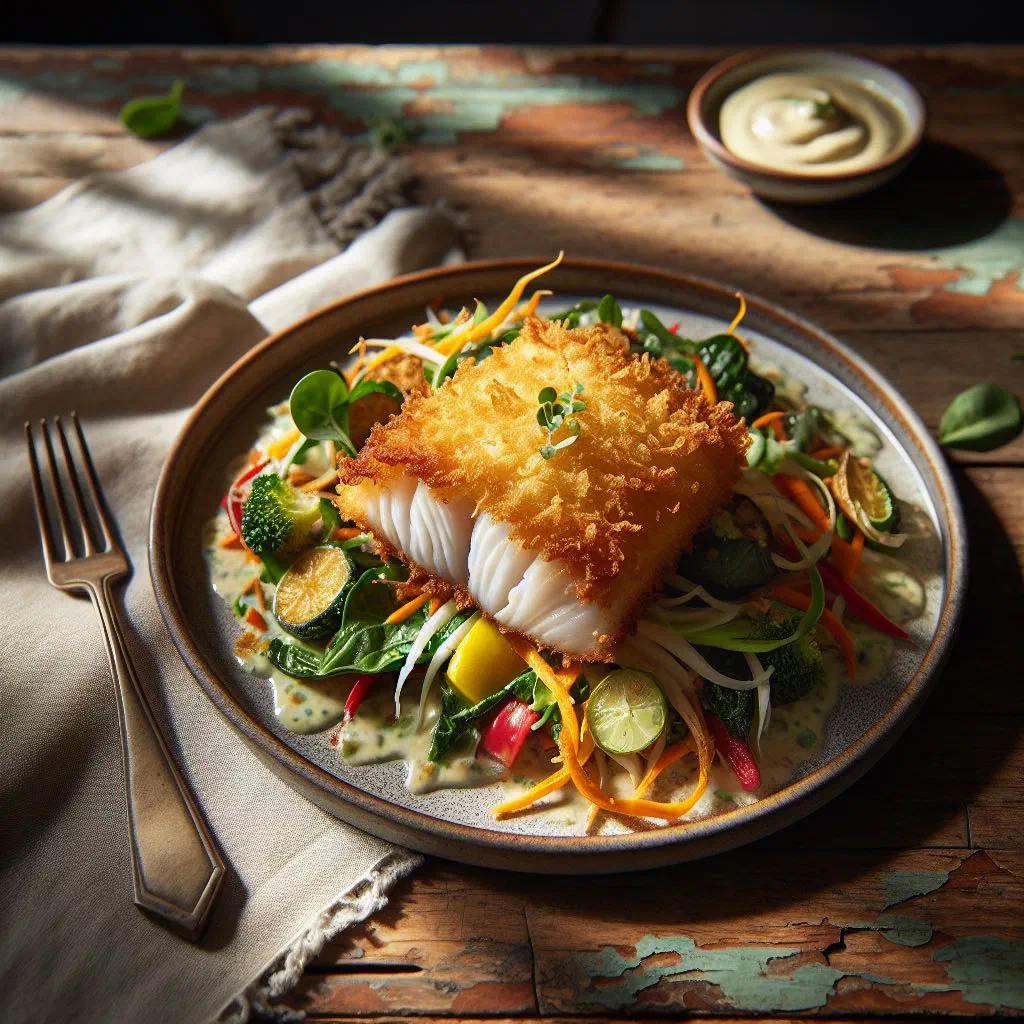
Discover Coconut-Crusted Fish, the national dish of Tuvalu and a true taste of the Pacific. Fresh fish is wrapped in a crisp, golden coat of coconut and pan-fried until very crunchy. The gentle sweetness of the coconut against tender, flaky fish makes for a memorable mouthful. Whether for a relaxed family supper or a special occasion, this dish brings a breath of the tropics straight to your table.
About Coconut-Crusted Fish
The national dish of Tuvalu, Coconut-Crusted Fish, offers far more than a wonderful flavour. It carries a piece of the culture and tradition of the Pacific islands. Fresh fish, encased in a crunchy layer of coconut, delivers a memorable eating experience. The pairing of the sweetness of the coconut with the delicate fish is perfect for any food lover. At a family meal or a celebration alike, this is a real treat that conjures up a tropical atmosphere on the plate.
Ingredients (serves 1–2)
- 250 g fresh fish (e.g. cod or mackerel)
- 100 g desiccated coconut
- 50 g flour (or gluten-free flour)
- 1 egg
- Salt and pepper to taste
- Oil for frying
Shopping for the ingredients
When shopping for the ingredients for coconut-crusted fish, it is important to pay attention to the quality of the fish. Fresh fish should have a pleasant smell and a firm texture. Desiccated coconut is available in most supermarkets, look for unsweetened versions for a more intense aroma. You should also make sure that the flour you choose suits your dietary needs, especially if you want to cook gluten-free.
Preparing the dish
Proper preparation is essential to get the best from your coconut-crusted fish. First, rinse the fish well and cut it into even pieces so it cooks through uniformly. Next, place the desiccated coconut and the flour in separate bowls. Beat the egg in a third bowl, so you create a simple coating station to bread the fish evenly. A well-organised work surface makes the whole process relaxed and straightforward.
Step-by-step instructions
- Cut the fish into even pieces and season lightly with salt and pepper.
- Put the coconut and flour into separate bowls, and beat the egg in a third bowl.
- Dredge each piece of fish first in flour, then dip it in the egg and finally roll it in the coconut.
- Heat the oil in a frying pan and fry the coated fish pieces until golden brown.
- Drain the finished fish on kitchen paper and serve hot.
Gluten-free / lactose-free version
For a gluten-free preparation, use a gluten-free flour blend in place of regular flour. Make sure the desiccated coconut is gluten-free too. Beyond that, you can swap the egg for a mixture of water and a gluten-free breadcrumb alternative to create a lactose-free option as well. That way, people with particular dietary needs can enjoy this delicious dish to the full.
Tips for vegans and vegetarians
One of the easiest ways to adapt this dish for veggie lovers is to replace the fish with fried courgette slices or tofu. These alternatives soak up the coconut flavours beautifully and give a similarly crunchy texture. Instead of egg, use a plant-based alternative such as aquafaba or a mix of ground linseed and water. This gives you a delicious, satisfying dish with no animal products at all.
More tips and tricks
To intensify the flavour of your coconut-crusted fish, add different spices to your coating, such as paprika, garlic powder or curry. Marinating the fish first in a mixture of lime juice and ginger can also bring extra aroma. Bear in mind that fresh fish offers the best flavour, but frozen alternatives are a practical choice too. These can easily be prepared ahead and cooked quickly when needed.
Adapting the recipe to your taste
The beauty of coconut-crusted fish lies in its versatility. You can use different kinds of fish depending on your taste, or even try frying a combination of several varieties, much like the bright flavours of Lemon Coconut Fish. For those who like it hotter, a pinch of chilli or cayenne pepper can be mixed into the coating. Personal spice preferences slot easily into the basic recipe, so everyone can tailor the dish to their own taste.
Ingredient substitutions
Instead of the traditional desiccated coconut, you can also use chopped nuts or breadcrumbs for a crunchy crust. These alternatives bring a new dimension to the dish and are excellent for a nutty note. For a lower-calorie option, you can bake the fish in the oven rather than frying it, a gentler approach also seen in Fish in Coconut Milk. This gives you a delicious dish with less fat.
Drink pairing ideas
Coconut-crusted fish goes wonderfully with tropical cocktails or freshly pressed coconut water. A refreshing mango lemonade or a light wheat beer make delicious companions too. If you want to serve something special, try a piña colada; the pineapple and coconut combination is an ideal match for the dish’s flavours. A crisp Sauvignon Blanc would also be a good choice to underline the fine notes of the fish.
Serving and presentation ideas
The presentation of your coconut-crusted fish can elevate the whole eating experience. Serve the fish on a pretty plate, surrounded by fresh vegetables or a colourful salad. You can also add lime slices or fresh herbs such as coriander to bring colour and freshness. A “tropical platter” with various dips, such as mango chutney or a coconut-curry dip, is another appealing way to present and enjoy this dish.
A bit of history
Coconut-crusted fish has its origins in the more traditional cooking styles of the Pacific islands and reflects three core resources: fish, coconuts and fresh spices. Fishing holds great significance for the people of Tuvalu and is part of their daily life, while coconuts are woven into many aspects of their culture, from food to craft. The arrival of Western cooking techniques has complemented these traditional recipes and led to modern interpretations now enjoyed across many parts of the world, a hallmark of Tuvaluan cuisine.
More recipe ideas
Summary: Coconut-Crusted Fish
In summary, coconut-crusted fish offers a delicious eating experience and an exceptional way to discover the flavours and traditions of Tuvalu. With the right preparation and a few creative tweaks, you can enjoy this dish in a host of variations. Whether straight from the pan or baked in the oven, the combination of fresh fish and crunchy coconut appeals to with every bite. Try it for yourself and dive into the tropical world of Pacific flavour.