National Dish Tuvalu: Fish and Taro Bake (Recipe)
In this article
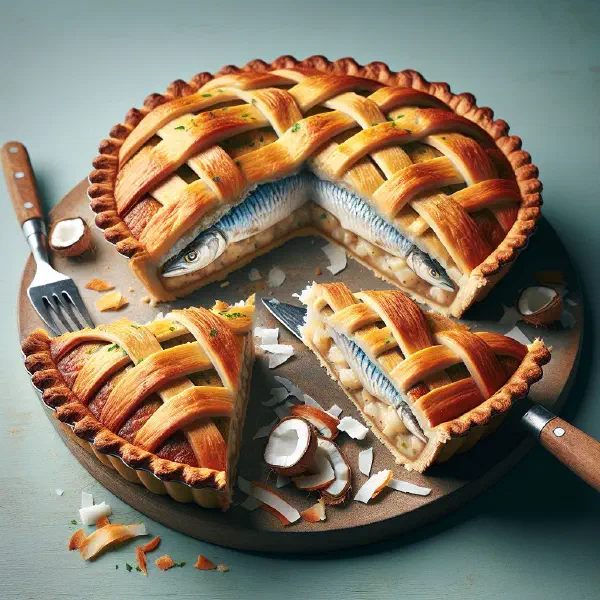
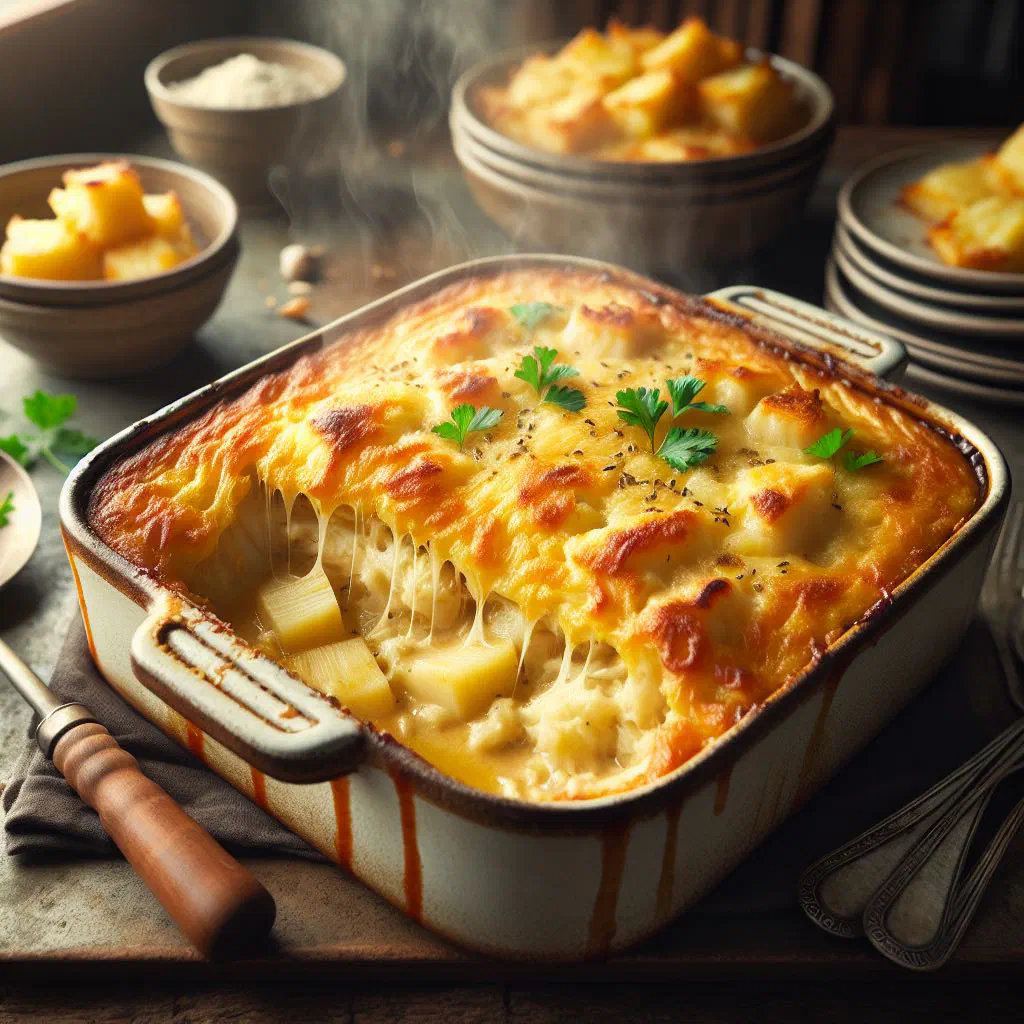
Say hello to the Fish and Taro Bake, a dish that captures the heart of Tuvalu and its deep connection to the sea. Tender fish and earthy taro come together in a fragrant pool of coconut milk, brightened with a squeeze of lime and a scattering of fresh herbs. It is a wonderful window onto the Pacific islands’ way of cooking, where local produce and the catch of the day take centre stage. Simple, nourishing and full of warmth, it brings a taste of Tuvalu straight to your table.
About Fish and Taro Bake
The Fish and Taro Bake is far more than a simple supper. It is a genuine culinary highlight from Tuvalu. The recipe reflects the wonderful variety of Pacific cuisine, drawing together fresh ingredients and gentle island seasonings in perfect balance. Taro, a much-loved root vegetable across many tropical regions, lends the bake a creamy, satisfying body that complements the delicate flavour of the fish. Every mouthful is a little burst of flavour that speaks of the culture and traditions of Tuvalu.
Ingredients (serves 1–2)
- 200 g fresh fish (e.g. tuna or snapper)
- 150 g taro, peeled and diced
- 200 ml coconut milk
- 1 onion, finely chopped
- 1 garlic clove, crushed
- 1 tbsp olive oil
- 1 tsp salt
- 1/2 tsp pepper
- 1 tsp lime juice
- Fresh herbs (e.g. coriander or parsley), to garnish
Shopping for the ingredients
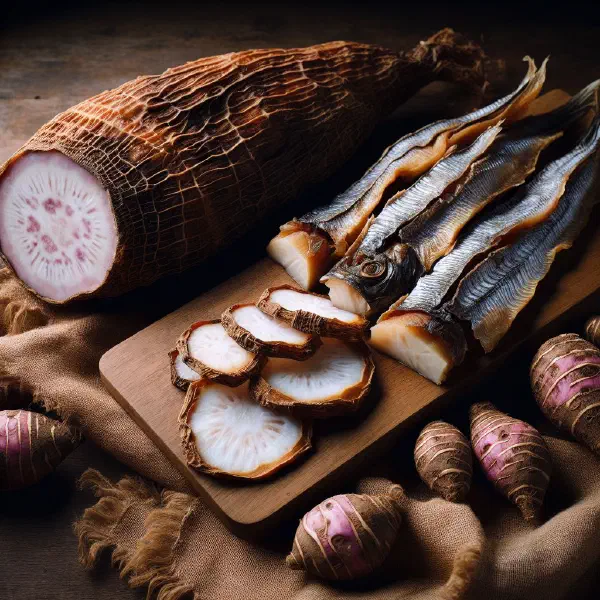
To make the best Fish and Taro Bake, it is well worth seeking out fresh ingredients. Visit a local market or a good fishmonger to be sure the fish is of the highest quality. When choosing taro, look for firm tubers free of blemishes and soft spots. Many Asian grocers also stock coconut milk and fresh herbs, both of which are essential for the dish.
Preparing the dish
Before you start cooking in earnest, take a little time to prepare the ingredients. Fillet the fish and cut it into bite-sized pieces. Peel and dice the taro into even chunks so that it cooks through evenly. Finely chop the onion and garlic to draw out their aroma in the finished dish. This careful preparation helps everything come together into a harmonious, flavourful bake.
Step-by-step instructions
- Heat the oil in a pan and gently fry the onion and garlic until soft and translucent.
- Add the diced taro and let it sweat for a few minutes.
- Stir in the coconut milk and bring the mixture to the boil.
- Add the fish and season with salt, pepper and lime juice.
- Stir well and let it simmer over low heat for about 15 minutes, until the taro is tender.
- Tip everything into a baking dish and bake in a preheated oven at 180°C for around 20 minutes.
- Garnish with fresh herbs and serve.
Gluten-free / lactose-free version
The Fish and Taro Bake is naturally gluten-free and lactose-free, as none of the ingredients contain either. Do take care, though, to choose a coconut milk without added thickeners or preservatives. This makes the dish ideal for anyone with intolerances, much like the gentle Boiled Taro With Coconut Sauce. Enjoy all the flavours without a worry about gluten or lactose.
Tips for vegans and vegetarians
For a vegan version of the Fish and Taro Bake, simply swap the fish for tofu or extra vegetables. The aroma of coconut milk paired with the seasonings will keep the dish every bit as delicious. You might add vegetables such as peppers or courgette to boost the nutrients, or finish with a handful of cashews for extra crunch and protein. A bowl of Taro And Coconut Soup makes a lovely meat-free partner.
More tips and tricks
To get the very best from your Fish and Taro Bake, experiment with spices such as turmeric or ginger, which can lend the dish an intriguing note. A pinch of chilli is a fine addition for those who like a little more heat.
Adapting the recipe to your taste
The beauty of the Fish and Taro Bake lies in how easily it can be tailored to your liking. Vary the type of fish or add different vegetables to weave in extra flavours. Try out different fresh herbs to keep the dish interesting from one cook to the next. Not only does this keep things exciting, it is also a great way to make use of seasonal produce.
Ingredient substitutions
If you struggle to find fresh taro, you can swap it for potatoes or sweet potatoes. These tubers are more widely available and bring a similar texture to the dish. Different kinds of fish such as salmon or hake also work beautifully and can vary the flavour, as they do in a Tropical Fish Curry. Let your imagination run free and discover new combinations.
Drink pairing ideas
A refreshing drink rounds off a tasty Fish and Taro Bake perfectly. Try a tropical cocktail or a fruity mocktail made with pineapple or mango. A chilled glass of white wine can equally underline the flavours of the dish. For an alcohol-free option, a homemade iced tea with lime is just the thing to refresh the palate.
Serving and presentation ideas
Presentation can lift the whole dining experience. Serve the Fish and Taro Bake in a handsome, deep dish and garnish it with freshly chopped herbs. Use colourful sides or a bed of fresh salad to create visual contrast, perhaps a Fresh Lime Coconut Salad. Decorative serving platters can also show the dish off and turn it into a real centrepiece.
A bit of history
The Fish and Taro Bake is a fine example of the traditional cooking of Tuvalu, which leans heavily on local ingredients and the bounty of the surrounding waters. The dish reflects the way of life of a people deeply connected to the sea. Taro is an important staple across many Pacific cultures and plays a significant role in both diet and food traditions, much as it does throughout Tuvalu cuisine. This recipe is a pleasure to eat and a little piece of Tuvaluan history.
More recipe ideas
Summary: Fish and Taro Bake
The Fish and Taro Bake brings together fresh fish with the hearty character of taro and coconut milk. With its straightforward method and adaptable ingredients, the dish offers a delicious flavour and a real insight into the culture of Tuvalu. Its versatility means you can shape it to your own tastes, whether for vegetarians, vegans or special dietary needs. Let the wonderful variety of Pacific cuisine inspire you, and enjoy this delicious dish.