National Dish Tuvalu: Saltfish with Taro Leaves (Recipe)
In this article
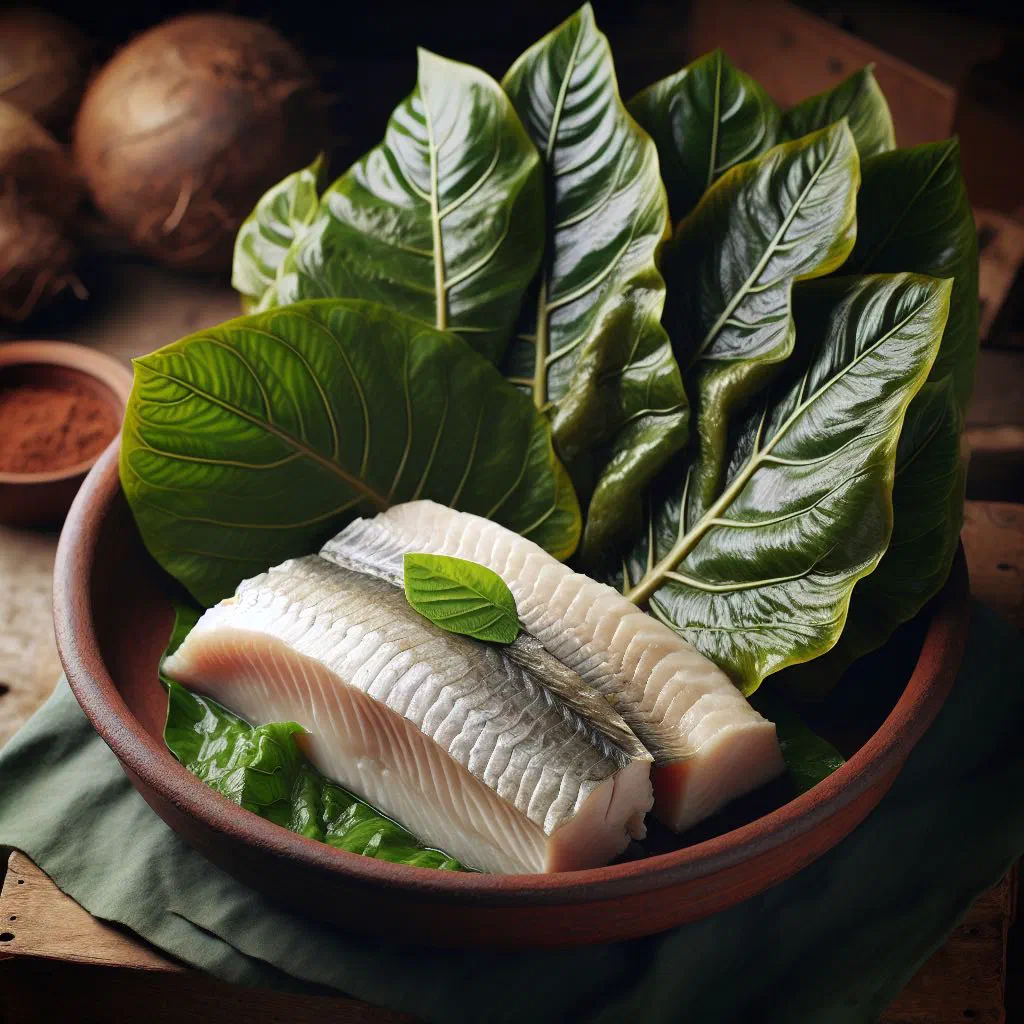
Meet Saltfish with Taro Leaves, the national dish of the tiny Pacific nation of Tuvalu. It brings together salty, sun-dried fish and lush, leafy taro greens in a simple one-pan supper that tastes of the islands. Mild coconut oil, sweet onion and a whisper of chilli pull the whole thing together, while the dish stays naturally light and packed with goodness. It is a wonderful window onto the flavours of the South Pacific, ready to recreate in your own kitchen.
About Saltfish with Taro Leaves
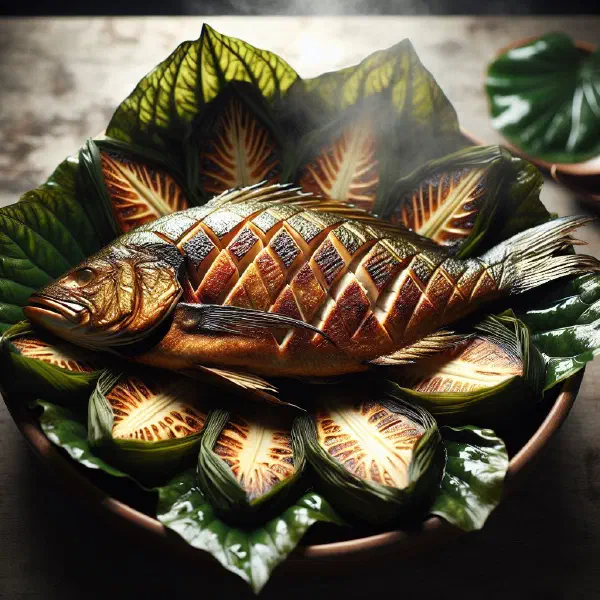
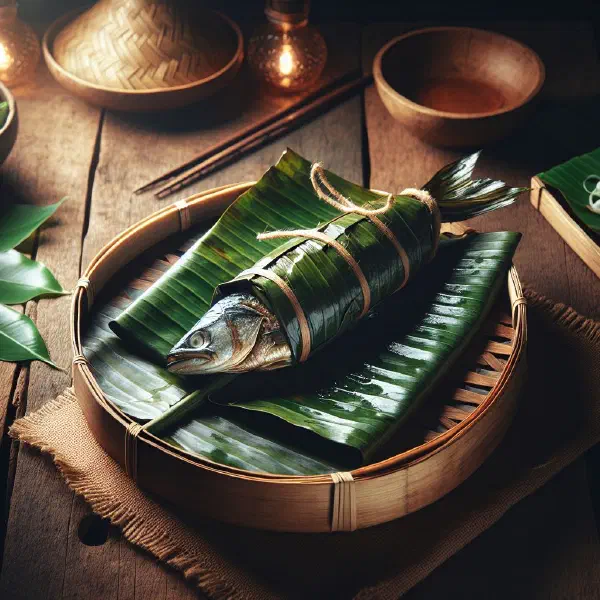
Saltfish with Taro Leaves is the national dish of Tuvalu, and it captures the very essence of Pacific cooking with its clean, distinctive flavours. The dish combines dried, salted fish with nutrient-rich taro leaves, reflecting both the culinary heritage of the islands and a genuinely nourishing balance on the plate. Prepared in the traditional way, it delivers a real burst of flavour that fans of international food will love. Well seasoned and beautifully presented, it is a must for anyone keen to taste the culture of Tuvalu first-hand.
Ingredients (serves 1–2)
- 200 g dried fish (such as cod or mackerel)
- 200 g fresh taro leaves
- 1 onion, diced
- 2 cloves of garlic, chopped
- 1 chilli, deseeded and finely sliced
- 1 tablespoon coconut oil
- Salt and pepper, to taste
Shopping for the ingredients
When shopping for the ingredients for saltfish with taro leaves, it pays to choose good-quality produce. Look for fresh fish that smells clean and has a firm texture, if you would rather not use the dried kind. Taro leaves can often be found in Asian supermarkets or at markets that stock tropical produce. Make sure the leaves look fresh and green, as that is what will give the dish its very best flavour.
Preparing the dish
Preparing the dish involves a few stages, including cleaning and soaking the fish as well as washing the taro leaves. The dried fish should be soaked in water for at least an hour to soften it again. While that happens, the taro leaves can be washed well and cut into rough pieces. This groundwork is key to making sure the ingredients take on the flavours properly.
Step-by-step instructions
- Drain the soaked fish and cut it into pieces.
- Heat the coconut oil in a pan and sauté the onions until translucent.
- Add the garlic and chilli and fry briefly.
- Add the fish and cook for a few minutes until cooked through.
- Add the taro leaves, stir well and leave to simmer for 10 minutes.
- Season with salt and pepper and serve straight away.
Gluten-free / lactose-free version
This dish is naturally gluten-free and lactose-free, since the main ingredients, fish and taro leaves, contain neither gluten nor lactose. That makes it an ideal choice for anyone with those intolerances. Do take care, though, to use spices and oils that are also gluten-free, so as to avoid any cross-contamination. You can enjoy this dish without a second thought, whether or not you have special dietary needs.
Tips for vegans and vegetarians
Although saltfish with taro leaves is traditionally made with fish, vegans and vegetarians can easily adapt the recipe by swapping the fish for a plant-based source of protein. One good option is to use tofu or tempeh, marinated with similar seasonings to deepen the flavour. The taro leaves and spices stay the same, preserving the integrity of the dish. The result is a healthy, tasty alternative that brings everyone to the table, much like the meat-free Taro Leaf Wraps.
More tips and tricks
For an even more authentic result, add fresh herbs such as coriander or parsley at the end of cooking to lend extra freshness and colour. It also helps to let the dish simmer over the lowest possible heat so the flavours have time to blend thoroughly. Experiment with the amount of chilli to reach your preferred level of heat. And remember you can adjust the consistency of the dish by adding a little more or less liquid, depending on what you like.
Adapting the recipe to your taste
When adapting the recipe, you can try all sorts of variations to bring the dish even more in line with your own taste. You might add other vegetables such as baby spinach or courgette, for instance, to boost the nutritional value. The spice palette can be varied too: turmeric or ginger can add interesting new notes.
Ingredient substitutions
If you do not have every ingredient to hand, there are a few handy substitutions you can make. In place of taro leaves you could use spinach or cabbage leaves, which are similar in texture, the same leafy approach that works so well in a Fish and Taro Leaf Stew. For the dried fish, tinned fish can be a practical option. These swaps can shorten the preparation time while still giving you a delicious meal that respects the original recipe.
Drink pairing ideas
A range of drinks pairs nicely with saltfish and taro leaves, complementing the flavours of the dish. A refreshing coconut-based cocktail or fresh fruit juices such as pineapple or mango juice make a sweet, refreshing accompaniment. For wine lovers, a light white wine is an excellent choice to support the flavours of the dish. Steer clear of heavy reds, as they can overpower the taste of the ingredients.
Serving and presentation ideas
The presentation of saltfish with taro leaves can add a great deal to your enjoyment of the meal. Serve the dish in a large bowl, garnished with fresh herbs such as coriander or spring onions. Use colourful plates, too, to create a lovely contrast with the bright colours of the ingredients. A few lime wedges on the side lift the presentation and add a fresh aroma to every mouthful.
A bit of history
Saltfish with taro leaves has a rich cultural history that is deeply rooted in the traditions of Tuvalu. Fish has long been a staple of the diet in this island nation, as the surrounding waters offer an abundance of seafood, the basis of many a Tuvaluan Fish Stew. Taro is also an important staple and has been cultivated across the Pacific islands for centuries. This culinary blend is a feast for the senses and a symbol of Tuvalu’s cultural heritage and its wider Tuvaluan cuisine.
More recipe ideas
- Grilled Tuna with Lime Sauce
- Taro Leaf and Fish Soup
- Seafood Curry
- Tropical Fruit Salad
- Roasted Fish with Taro Leaves
Summary: Saltfish with Taro Leaves
In summary, saltfish with taro leaves is a hearty and nourishing dish that embodies the flavours and traditions of Tuvalu. From choosing the ingredients to the cooking itself, this recipe offers a wonderful way to discover the cultures of the Pacific. At the same time it is easily adapted, making it suitable for a range of dietary needs. This dish is sure to win you over.