National Dish Tuvalu: Taro Leaf Coconut Stew (Recipe)
In this article
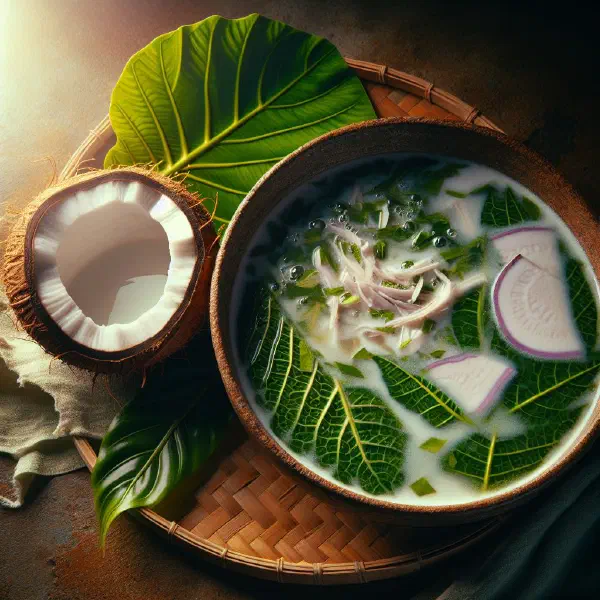
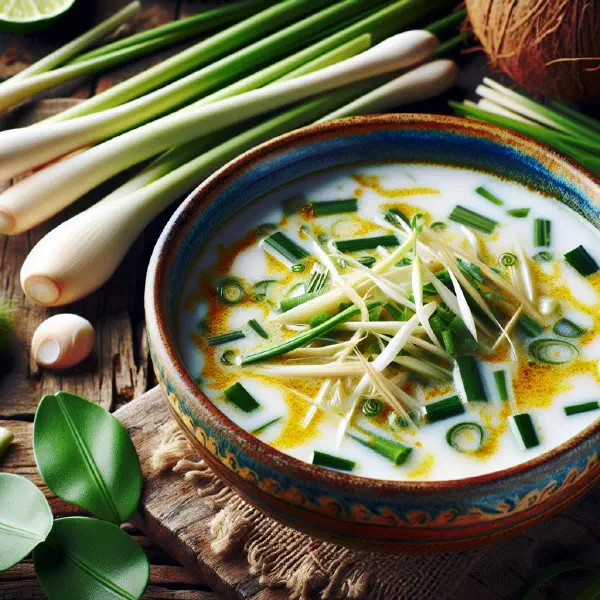
Discover Taro Leaf Coconut Stew, the comforting national dish of Tuvalu. This fragrant soup brings together tender taro leaves and rich coconut milk for a creamy, deeply nourishing bowl. Warmed with ginger and turmeric, it is the kind of wholesome food that feels just as right on a chilly evening as it does at the centre of a dinner party. Bring a little taste of the Pacific straight to your own kitchen.
About Taro Leaf Coconut Stew
Taro Leaf Coconut Stew is a traditional dish from Tuvalu, celebrated for its creamy consistency and the delicious flavour of coconut milk. Made from fresh taro leaves, it is tasty and wonderfully rich in nutrients. The pairing of taro and coconut makes this a healthy yet nourishing meal that is ideal for cold days. This aromatic soup is perfect for impressing your guests at your next dinner gathering, and it sits comfortably alongside other classics of Tuvaluan cuisine.
Ingredients (serves 1–2)
- 200 g fresh taro leaves
- 400 ml coconut milk
- 1 onion, diced
- 2 cloves garlic, chopped
- 1 teaspoon ginger, grated
- 1 teaspoon turmeric
- Salt to taste
- Pepper to taste
- Fresh herbs to garnish (e.g. coriander)
Shopping for the ingredients
To prepare Taro Leaf Coconut Stew, it is worth buying the ingredients from a well-stocked supermarket or an Asian grocery. Be sure to choose fresh taro leaves, as they offer the best flavour and texture for the dish. Coconut milk is available in most supermarkets, and the remaining ingredients can usually be found in the vegetable or spice aisle. If you visit a local market, you may even be able to pick up still fresher produce.
Preparing the dish
Preparing Taro Leaf Coconut Stew is simple and straightforward. Begin by washing the taro leaves to remove any dirt and impurities. Cut the leaves into small pieces so they cook more quickly. The onion and garlic should be diced and chopped to ensure the aromas are evenly distributed throughout the soup. Good preparation is the key to making sure the dish cooks evenly and that all the flavours come through beautifully.
Step-by-step instructions
- Heat a large pot over medium heat and add a little oil.
- Add the diced onion, chopped garlic and grated ginger and fry for 2–3 minutes until golden.
- Add the fresh taro leaves to the pot and stir well.
- Pour in the coconut milk along with the spices (turmeric, salt and pepper).
- Bring the mixture to the boil, then let it simmer over low heat for 15–20 minutes.
- Serve the soup hot, garnished with fresh herbs.
Gluten-free / lactose-free version
Taro Leaf Coconut Stew is naturally gluten-free and lactose-free. Using coconut milk instead of cow’s milk makes this dish a great option for people with lactose intolerance. When buying coconut milk, check that it contains no additives that might bring in gluten or lactose. That way you can be sure your dish is suitable for every guest at the table.
Tips for vegans and vegetarians
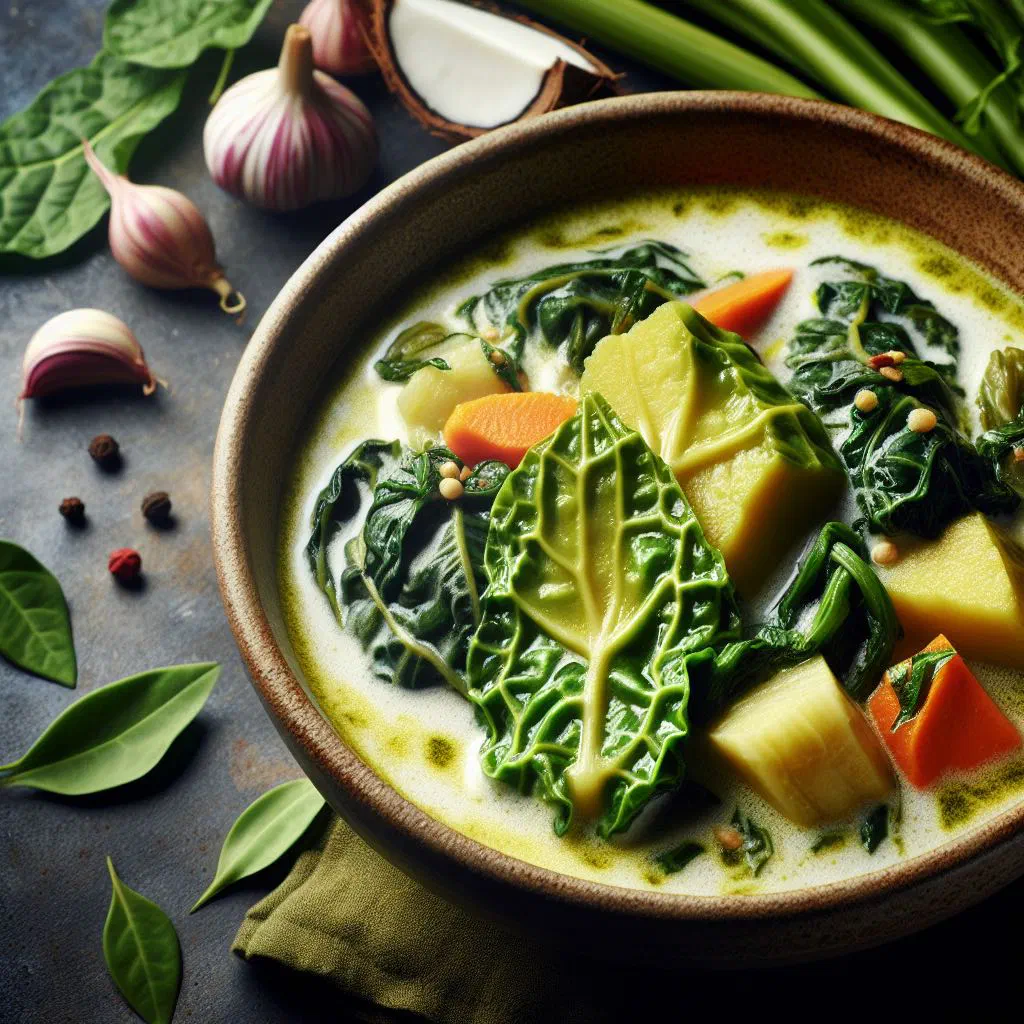
Most of the ingredients in Taro Leaf Coconut Stew are already vegan and vegetarian, which makes the dish an excellent choice for plant-based diets. You can fold in extra vegetables such as carrots or peppers to add even more nutrients and colour. Don’t forget to adjust the spices to intensify the flavour, in a vegan version in particular, this can really draw out additional aromas.
More tips and tricks
To make Taro Leaf Coconut Stew even more aromatic, try experimenting with different spices. Chilli or shredded lime leaves, for example, pair wonderfully with this dish. If you prefer a creamier consistency, you can replace the coconut milk with a mix of coconut cream and water. Let your creativity run free and play with different flavours and textures until you find your perfect bowl, much like you would with a Taro And Coconut Soup.
Adapting the recipe to your taste
One of the great things about Taro Leaf Coconut Stew is how easily you can tailor it to your own preferences. Feel free to vary the quantities of the ingredients to achieve the balance of flavours you like best. You could, for instance, swap the taro leaves for other leafy greens such as spinach or chard. The dish can also be enriched with proteins like tofu or chicken to make it more filling.
Ingredient substitutions
If you struggle to find fresh taro leaves, fresh spinach or chard make suitable alternatives that work just as well in the soup. Coconut milk can be replaced with oat or almond milk, though this may change the flavour considerably. Here too, take care that the alternatives meet your dietary needs and contain no unwanted ingredients. Experiment with different variations to discover your perfect blend, just as you might with a Boiled Taro With Coconut Sauce.
Drink pairing ideas
To accompany your Taro Leaf Coconut Stew, refreshing drinks are a great choice. A coconut-infused drink or chilled ginger tea harmonise beautifully with this dish. A cold beverage with fresh citrus fruits can also enhance the flavours. Avoid strong alcoholic drinks, which could overpower the delicate taste of the soup.
Serving and presentation ideas
The presentation of Taro Leaf Coconut Stew can greatly enhance the dining experience. Serve the soup in individual, colourful bowls to show the dish off at its best. A portion garnished with fresh herbs and perhaps a few toasted nuts adds extra visual appeal. Using natural materials and colours can help create an authentic Polynesian feel at the table.
A bit of history
Taro Leaf Coconut Stew has its roots in traditional Polynesian cooking and reflects the variety of ingredients available across the region. Taro is a staple in many Pacific island cultures and has been used for centuries as a nourishing food source. Pairing it with coconut milk ensures the dish is both filling and full of flavour. It tells the story of the culture, the plant life and the cooking traditions of Tuvalu and the wider Pacific, a heritage shared by dishes such as Palusami.
More recipe ideas
Summary: Taro Leaf Coconut Stew
Taro Leaf Coconut Stew is a delicious and nourishing dish from Tuvalu that captures the flavours of Polynesian cooking perfectly. With just a few ingredients and a simple method, it makes an excellent choice for any occasion. This dish is sure to leave an impression. Let its exquisite combination and versatile preparation inspire you, and bring a touch of Tuvalu into your own kitchen.