National Dish Tuvalu: Taro Pandan Cake (Recipe)
In this article
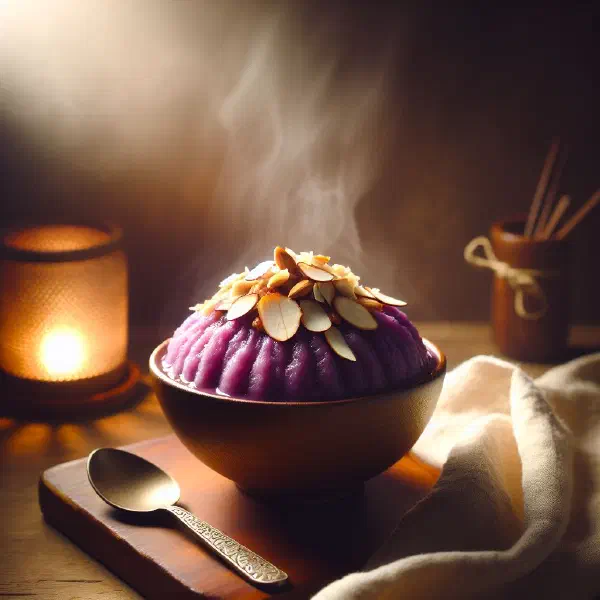
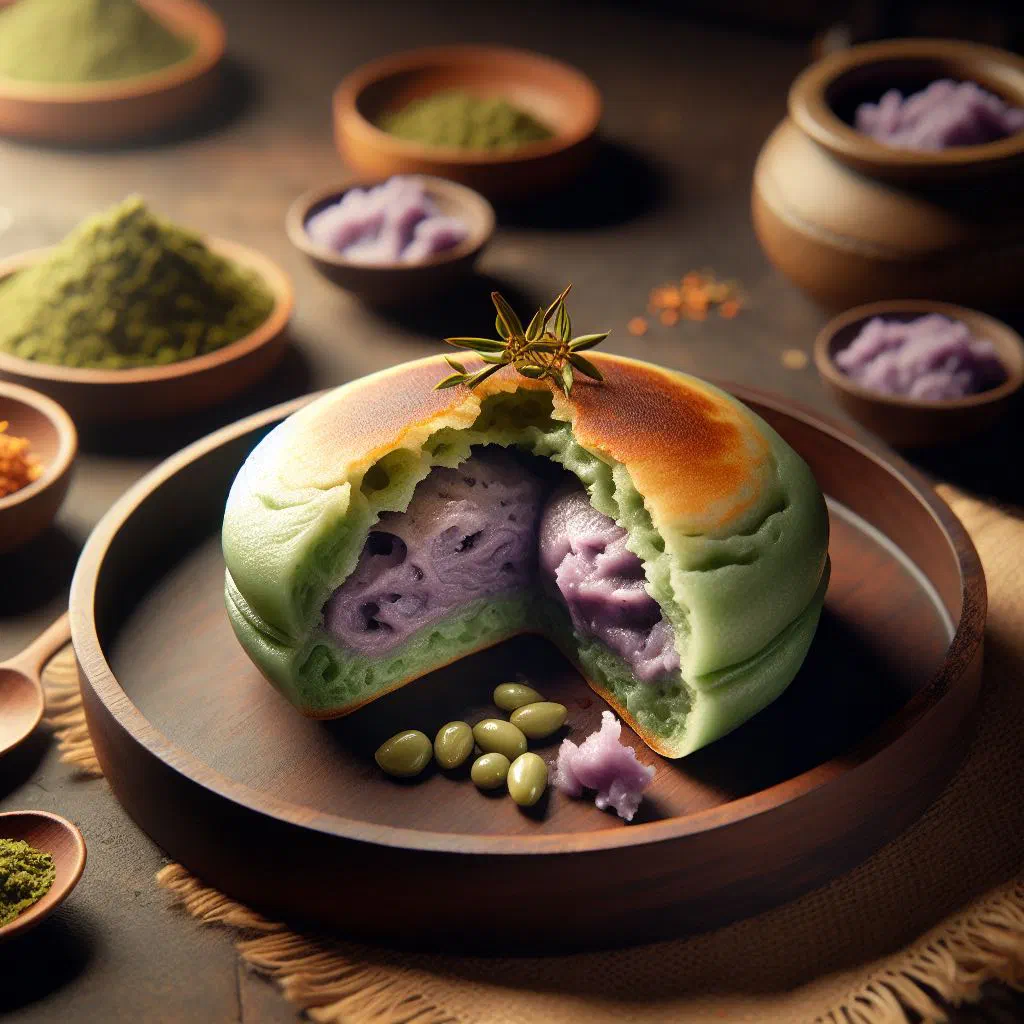
Meet Taro Pandan Cake, a sweet little taste of the South Pacific from the islands of Tuvalu. Earthy taro and the fragrant scent of pandan leaves come together in a soft, comforting cake that is as at home on a festive table as it is as an everyday treat. Naturally gluten-free and easy to adapt, it captures the warmth and gentle sweetness of island life in every bite.
About Taro Pandan Cake
Taro Pandan Cake is an authentic dish from Tuvalu that beautifully reflects the flavours and culture of this lovely South Sea island. Taro, a starchy tuber, gives the cake its characteristic texture and a unique flavour all of its own. Combined with the aromatic scent of pandan leaves, it makes a deliciously moreish snack that appeals to in everyday home cooking and at festive occasions alike. The cake is especially popular as a dessert, yet it works just as well as a sweet little bite to enjoy between meals.
Ingredients (serves 1–2)
- 200 g taro root
- 100 g sugar
- 200 ml coconut milk
- 50 g rice flour
- 2–3 pandan leaves
- A pinch of salt
- Water (as needed)
Shopping for the ingredients
When making taro pandan cake it is important to choose good-quality ingredients. Taro root can be found in Asian or international grocery shops. Pandan leaves are also often available in specialist stores or at weekly markets. Be sure to pick fresh ingredients that are free of blemishes, so your cake delivers the very best flavour.
Preparing the dish
Getting ready to make taro pandan cake is straightforward, though it does take a few steps to prepare the ingredients properly. First, peel the taro root and cut it into small cubes so it cooks through evenly. Then blanch the pandan leaves to release their aromas, which lends the cake an extra freshness. With this groundwork done, you create the perfect base for a successful, fragrant cake.
Step-by-step instructions
- Put the taro root in a pan of water and bring to the boil. Cook until soft, around 20 minutes.
- Drain the cooked taro and mash it in a bowl with a potato masher.
- Add the sugar, coconut milk, rice flour and a pinch of salt to the mashed taro mixture and combine well.
- Finely chop the pandan leaves and stir them into the mixture too.
- Lightly grease a baking tin and spread the taro mixture evenly inside.
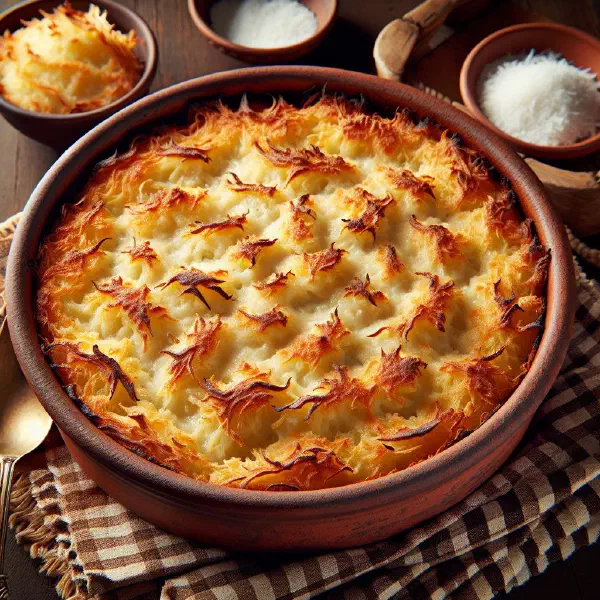
- Bake the cake at 180°C for about 40 minutes, until firm and lightly golden brown.
- Take the cake out of the oven and let it cool before serving.
Gluten-free / lactose-free version
Taro pandan cake is naturally gluten-free, as it uses rice flour instead of wheat flour. To keep it lactose-free, simply use a plant-based alternative to coconut milk, such as oat or almond milk, though coconut milk is itself dairy-free and a wonderful choice. This makes the recipe suitable both for people with intolerances and for those who prefer a plant-based diet. Always check each ingredient to make sure it meets your particular needs.
Tips for vegans and vegetarians
For vegans and vegetarians, taro pandan cake is an excellent choice, as all of its ingredients are plant-based. To be sure the sugar is suitable, reach for organic or raw sugar. You can also garnish the cake with fresh fruit or nuts for an extra tasty and nourishing touch. These variations bring even more joy to every slice and broaden the range of flavours considerably.
More tips and tricks
To get the very best from your taro pandan cake, keep a few handy tips in mind. You might experiment by increasing the amount of pandan leaves, or even adding a splash of vanilla extract to intensify the aromas. Take care not to bake the cake for too long, or it can turn dry. If you find the texture too moist, adjust the amount of rice flour to find the perfect balance.
Adapting the recipe to your taste
Taro pandan cake is wonderfully versatile and easy to tailor to your own preferences. Like a little more sweetness? Add a touch more sugar. Prefer a deeper coconut note? Stir in a spoonful of grated coconut. You can also play with the level of pandan to make the flavour as gentle or as bold as you like, creating a cake that fits your taste exactly.
Ingredient substitutions
If some ingredients are hard to come by, there are alternatives that achieve the same delicious result. Instead of coconut milk you could use soya or almond milk, the latter adding a slightly nutty note. If taro is unavailable, sweet potato makes an interesting option for a different depth of flavour, much as it does in a Cassava and Coconut Cake. Experiment with different combinations to create your own favourite version of the cake.
Drink pairing ideas
To round off the taste of taro pandan cake, a well-chosen drink works a treat. A fresh hibiscus tea makes a refreshing partner that balances the cake’s sweet notes nicely. Alternatively, you could serve a chilled fresh coconut juice to bring out the tropical flavours of the dish. You might also experiment with various fruit juices to pair the cake with bright, fruity notes.
Serving and presentation ideas
Presentation can lift the enjoyment of taro pandan cake considerably. Serve it on a pretty serving plate and garnish with freshly sliced fruit or a little mint for a colourful accent. A dusting of icing sugar can also create an appealing effect. Don’t forget to cut the cake into small, bite-sized pieces that are easy to pick up. Ideal for sociable occasions.
A bit of history
Taro pandan cake reflects the culinary tradition of Tuvalu, shaped by the natural resources of the islands. Taro is one of the staple foods of many Pacific islands and has a long history across the South Pacific. The influence of local traditions and customs on the food culture of Tuvalu shows in the ingredients and in the way the dish is prepared and served. This recipe is therefore more than a treat but a piece of cultural identity, and a lovely introduction to Tuvaluan cuisine.
More recipe ideas
- Sweet Potato Coconut Cakes
- Coconut and Pandan Cake
- Pandanus Fruit Dessert
- Sweet Coconut Rice
- Sweet Taro Dessert
Summary: Taro Pandan Cake
Taro Pandan Cake is a delicious snack and a wonderful example of Tuvaluan culture. With its combination of earthy and sweet flavours, it offers a truly unique taste experience. Whether as a dessert or a sweet nibble, this cake is easy to make and full of room for adaptation. Bring a little piece of the South Seas into your own home with this recipe and pleasure in the rich tradition and flavour of Tuvalu.