National Dish Tuvalu: Vanilla Coconut Cake (Recipe)
In this article
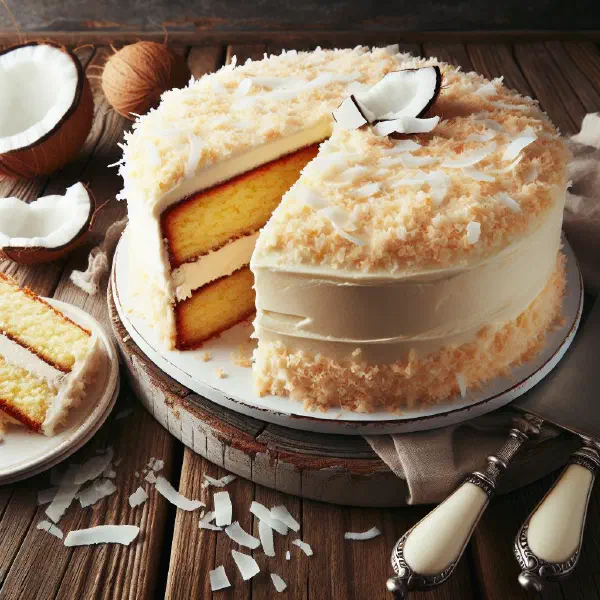
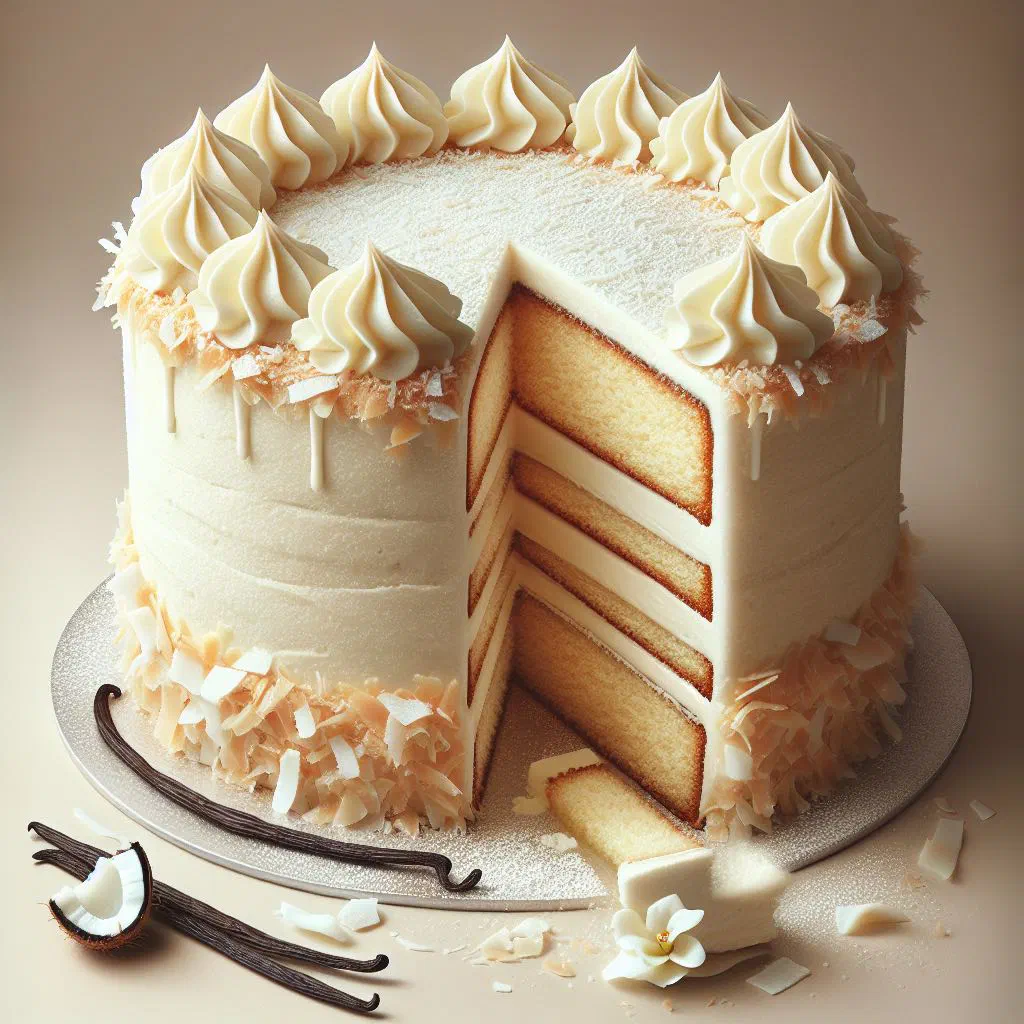
Say hello to Vanilla Coconut Cake, a sweet treasure from the islands of Tuvalu. This tender bake brings together the warm fragrance of vanilla and the creamy richness of coconut, capturing the flavours of a Pacific archipelago in a single slice. This golden cake is sure to win you over.
About Vanilla Coconut Cake
The Vanilla Coconut Cake is an absolute highlight of Tuvaluan cooking. This traditional dessert pairs the natural sweetness of vanilla with the creamy freshness of coconut. Its ingredients reflect the tropical surroundings of Tuvalu and invite you to discover the aromas of the Pacific. This cake has a way of casting its spell over everyone who tries it.
Ingredients (serves 1–2)
- 100 g plain flour
- 50 g desiccated coconut
- 100 g sugar
- 2 eggs
- 50 g butter (melted)
- 100 ml coconut milk
- 1 teaspoon vanilla extract
- 1 teaspoon baking powder
- A pinch of salt
Shopping for the ingredients
To prepare an authentic Vanilla Coconut Cake, the ingredients should be as fresh as possible. Visit your local supermarket or a weekly market to track down the best produce. When buying coconut milk, check that it has no added sugar so the natural flavour of the ingredients shines through. Vanilla extract made from real vanilla pods delivers an intense aroma that makes the cake all the more appealing.
Preparing the dish
Before you start baking, measure out and lay out all your ingredients. Good preparation makes the whole process far easier and ensures nothing gets forgotten along the way. Preheat your oven to 180 degrees Celsius in advance so it reaches the ideal temperature while you mix the batter. Line a baking tin with baking paper to stop the cake sticking and to make sure it lifts out cleanly once baked.
Step-by-step instructions
- In a bowl, whisk the eggs and sugar together until the mixture is pale and airy.
- Slowly stir in the melted butter, coconut milk and vanilla extract.
- In a separate bowl, combine the flour, baking powder, desiccated coconut and salt, then add this gradually to the egg-and-sugar mixture.
- Pour the finished batter into the prepared tin and spread it out evenly.
- Bake in the preheated oven for about 25–30 minutes, until the cake is golden brown and a skewer comes out clean.
- Once baked, remove the cake from the oven and let it cool before serving.
Gluten-free / lactose-free version
For a gluten-free version of the Vanilla Coconut Cake, simply use gluten-free flour in place of ordinary flour. Take care to choose lactose-free alternatives for the coconut milk and butter as well. Many brands now offer lactose-free products that are perfectly suited to baking, so even those with food intolerances can enjoy this delicious cake.
Tips for vegans and vegetarians
For a vegan version of the Vanilla Coconut Cake, you can replace the eggs with apple purée or flaxseed. Use 1/4 cup of apple purée, or 1 tablespoon of flaxseed mixed with 3 tablespoons of water, to stand in for each egg. Make sure to swap the butter for a plant-based alternative too, so the dish stays entirely vegan. Since coconut milk is naturally plant-based, you can rest assured your recipe remains free of animal products.
More tips and tricks
One key tip for a perfect Vanilla Coconut Cake is to avoid overmixing the batter, which can make the cake dense and chewy rather than light and moist. Fill the tin evenly so the cake bakes through at the same rate. To dress up your cake once it has cooled, finish it with a dusting of icing sugar or a glossy coconut glaze.
Adapting the recipe to your taste
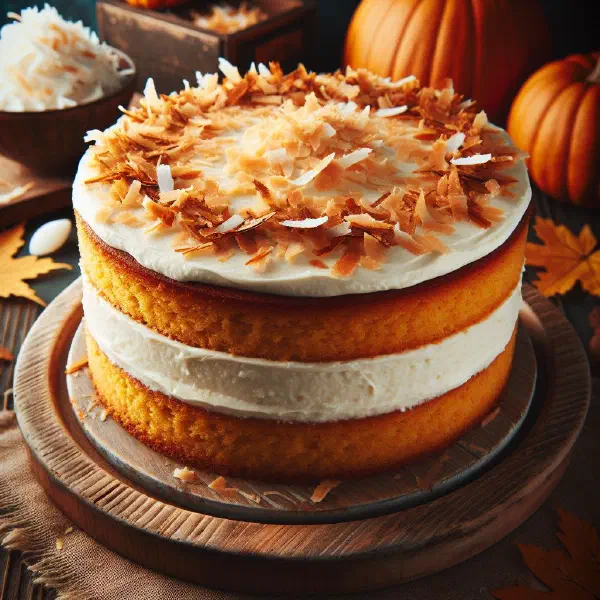
The lovely thing about the Vanilla Coconut Cake is how easily it bends to personal taste. Fold in chocolate chips or nuts if you fancy an extra layer of flavour. You can also cut back on the sugar for a less sweet result. Experiment with different flavourings such as cinnamon or nutmeg to give the cake a touch of individuality, much as the spices do in a Pumpkin Coconut Cake.
Ingredient substitutions
If you have no desiccated coconut to hand, you can swap it for almonds or hazelnuts, which bring their own delicious flavour to the cake. Should you run out of vanilla extract, vanilla sugar works just as well to achieve the same effect. You might also experiment and enrich the cake with fresh fruit such as pineapple or mango purée, the kind of tropical touch that also lifts a Cassava And Coconut Cake.
Drink pairing ideas
To round off the pleasure of the Vanilla Coconut Cake, a few drinks make ideal companions. A glass of coconut lemonade pairs beautifully with the cake’s tropical aromas. Alternatively, a fruity cocktail with rum is a great way to underline the flavour combination. For an alcohol-free option, a fresh fruit tea is perfect for complementing the cake’s sweetness.
Serving and presentation ideas
Presentation plays a decisive role when it comes to desserts. Serve the Vanilla Coconut Cake on a pretty cake stand and garnish it with fresh mint leaves or a slice of pineapple. For an extra visual flourish, drizzle the cake with a fruit sauce, a blend of puréed berries or mango purée works wonderfully. A simple bowl of Tropical Fruit Salad on the side makes an inviting finishing touch.
A bit of history
The Vanilla Coconut Cake has its roots in the rich traditions of Tuvaluan cooking, where tropical ingredients play an essential part. The use of coconut and vanilla reflects the abundance of local produce and shows the influence of the Pacific on the culinary customs of the region. This dessert is a popular feature of celebrations and a tribute to the gastronomic variety of Tuvaluan cuisine. The blend of flavours tells the story of the country and its cultural influences.
More recipe ideas
- Coconut Banana Cake
- Tapioca And Coconut Cake
- Baked Coconut Pudding
- Coconut Pancakes
- Sweet Coconut Dumplings
Summary: Vanilla Coconut Cake
In short, the Vanilla Coconut Cake offers a wonderful combination of flavour and texture that suits both festive occasions and everyday enjoyment. Its tropical aromas bring the feeling of the Pacific straight to your plate. Thanks to the many ways to adapt it and the extra tips shared in this article, you can make this recipe entirely your own. Give it a go and savour a slice of pure island joy.