National Dish Uganda: Atap (Recipe)
In this article
Meet Atap, the humble maize-meal staple that anchors countless Ugandan meals. Made from nothing more than maize meal, water and a pinch of salt, it turns into a smooth, satisfying porridge that soaks up stews and sauces beautifully. It is quick, forgiving and endlessly adaptable, the sort of dish that proves you do not need a long shopping list to eat well. Here is how to get the texture just right at home.
About Atap
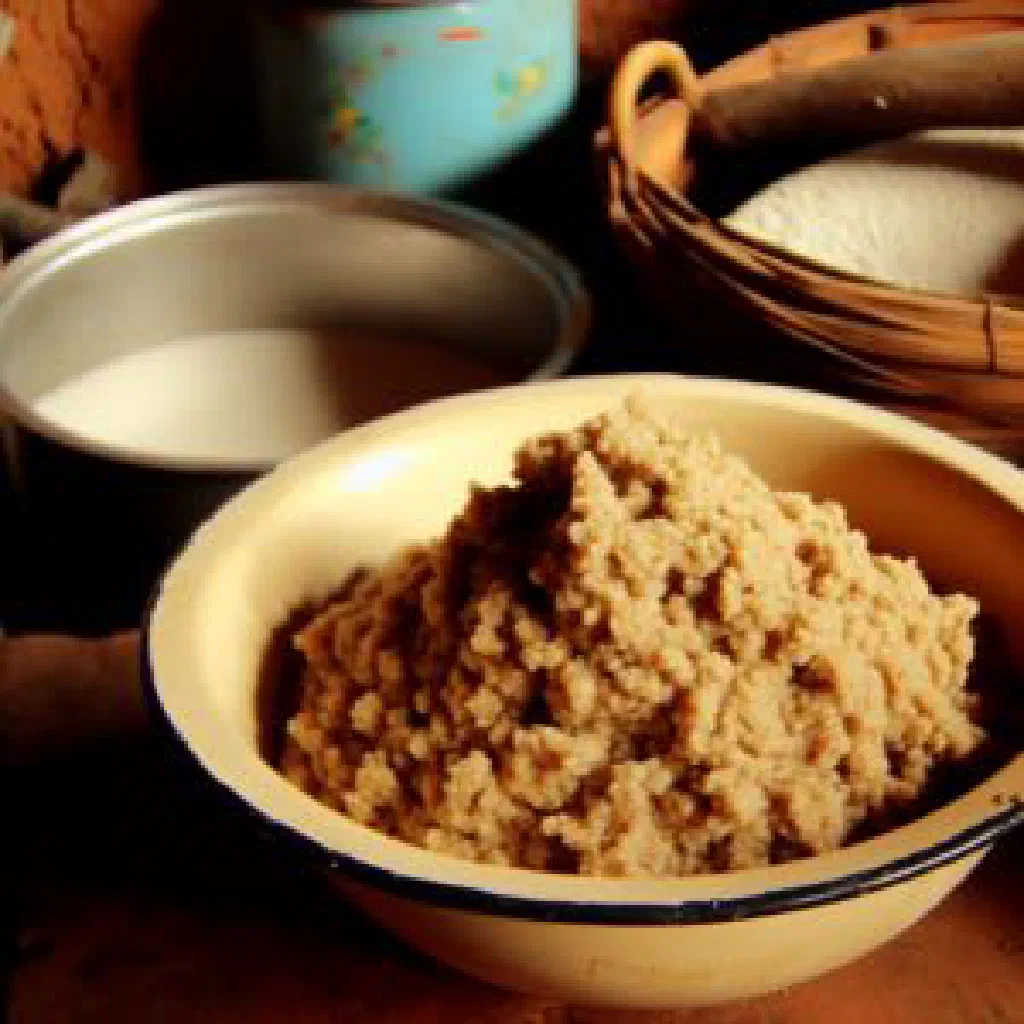
Atap is a traditional Ugandan dish made from maize meal, and it occupies a central place in the country’s food culture. It is a savoury porridge, most often served as an accompaniment to a wide range of main dishes rather than eaten on its own. Preparation is straightforward and calls for only a handful of ingredients, which is a large part of why atap is so widely loved. The flavours and textures around it reflect the variety of Ugandan cooking, from rich groundnut sauces to slow-simmered stews such as Ugandan Meat Stew.
Ingredients (serves 1–2)
- 1 cup maize meal
- 2 cups water
- 1 pinch of salt
Shopping for the ingredients
When shopping for atap, the key is to choose good-quality maize meal. Most supermarkets and African grocery shops stock several brands, so it is worth comparing them. Make sure the meal is fresh, as this has a considerable effect on the flavour of the finished dish. Beyond that you need only clean water, which forms the base of the porridge.
Preparing the dish
Before you start cooking atap, it helps to have everything to hand. Measure out the maize meal and the water, and make sure your equipment, a sturdy pan and a wooden spoon or whisk, is ready. Set out a suitable serving bowl too, since atap is at its best when served fresh and warm. Depending on your preference, you may also want to prepare the sides that will accompany it, such as a bowl of Ugandan Peanut Sauce.
Step-by-step instructions
- Bring the water to the boil in a pan with a pinch of salt.
- Add the maize meal gradually, stirring continuously to prevent lumps forming.
- Reduce the heat and keep stirring until the mixture thickens to a smooth, creamy consistency.
- Let the porridge simmer for a further 5–10 minutes so that it is thoroughly cooked through.
- Take the atap off the heat, turn it into a bowl and serve with the sides of your choice.
Gluten-free / lactose-free version
One of the great virtues of atap is that it is naturally gluten-free and lactose-free. Since maize meal is the only real ingredient, anyone with a gluten intolerance can enjoy the dish without concern. Do check, however, that no additional ingredients creep in that might contain gluten. That keeps atap a versatile option for a wide range of dietary needs.
Tips for vegans and vegetarians
In its basic form atap is already vegan and vegetarian. You can adapt it freely by adding plant-based sides such as vegetables, pulses or a rich sauce. Many Ugandans pair atap with platters of fresh greens or fried vegetables, or with legume dishes like Pasted Beans. That makes the meal not only tasty but genuinely nourishing.
More tips and tricks
To get the best texture and flavour from your atap, work the maize meal in evenly as you stir. Some cooks recommend adding the water in stages to avoid lumps and achieve a uniform consistency. You can also add spices or aromatics if you want to give the dish a personal signature.
Adapting the recipe to your taste
Atap is remarkably flexible and easy to tune to your own preferences. You might stir in herbs or spices to lift the flavour, or serve it alongside something punchier for contrast. You can also vary the ratio of water to maize meal depending on whether you like your porridge thick and firm or soft and loose. There is always a new version of atap waiting to be discovered.
Ingredient substitutions
If you have no maize meal to hand, millet flour or rice flour will produce a similar dish. These flours bring a different flavour profile that can be both interesting and delicious, millet in particular gives a result close to Millet Porridge. For anyone following a specific diet, such alternatives are an excellent way to secure the nutrients they need. Scale the portion down while you experiment, so you can fine-tune the result.
Drink pairing ideas
Several drinks suit atap and round out the eating experience. Traditionally it is often served with fresh fruit juice or a local beer. A refreshing herbal tea is another excellent match. All of these harmonise well with the texture and mild flavour of the porridge and make the meal complete.
Serving and presentation ideas
Presentation can noticeably improve the impression atap makes. Serve it in an attractive bowl and decorate with fresh herbs or edible flowers for a visual lift. You can also arrange several sides around it to create a varied, generous spread. Done this way, the dish becomes not just satisfying but a feast for the senses.
A bit of history
The story of atap is closely bound up with Ugandan culture. At many traditional celebrations it is served as a centrepiece and is a symbol of hospitality. The method of preparation has changed remarkably little over time, reflecting a close connection to the land and to local ingredients. Every region of Uganda has its own particular version of atap, which adds to the country’s rich culinary heritage and to Ugandan cuisine as a whole.
More recipe ideas
Summary: Atap
Atap is a simple but delicious Ugandan staple made from maize meal. It offers plenty of scope for adaptation and can be served with all manner of accompaniments. With the tips above you can make atap in your own kitchen and enjoy this enduring culinary tradition. Let the flavours of Uganda inspire you and discover the cultural roots of this unassuming, essential dish.