National Dish Uganda: Chapati (Recipe)
In this article
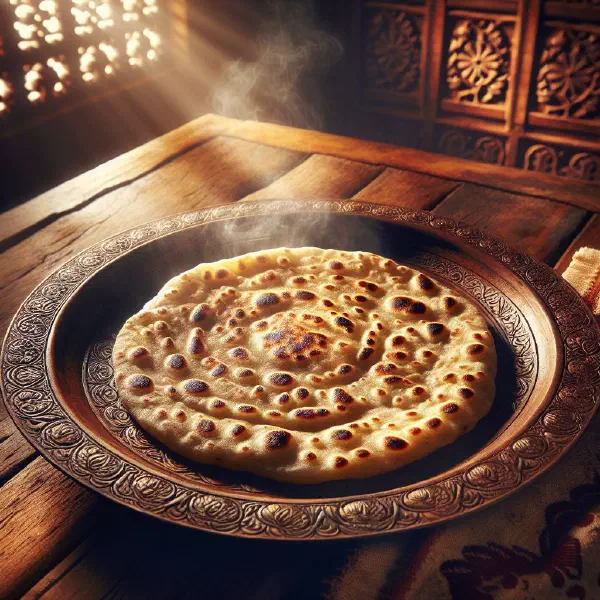
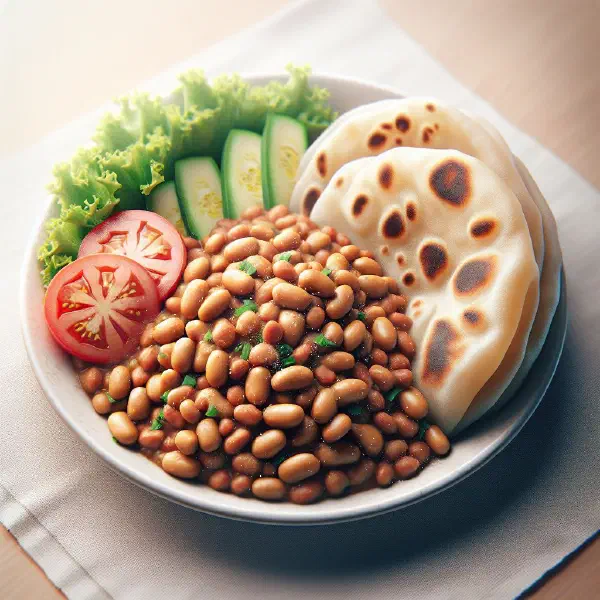
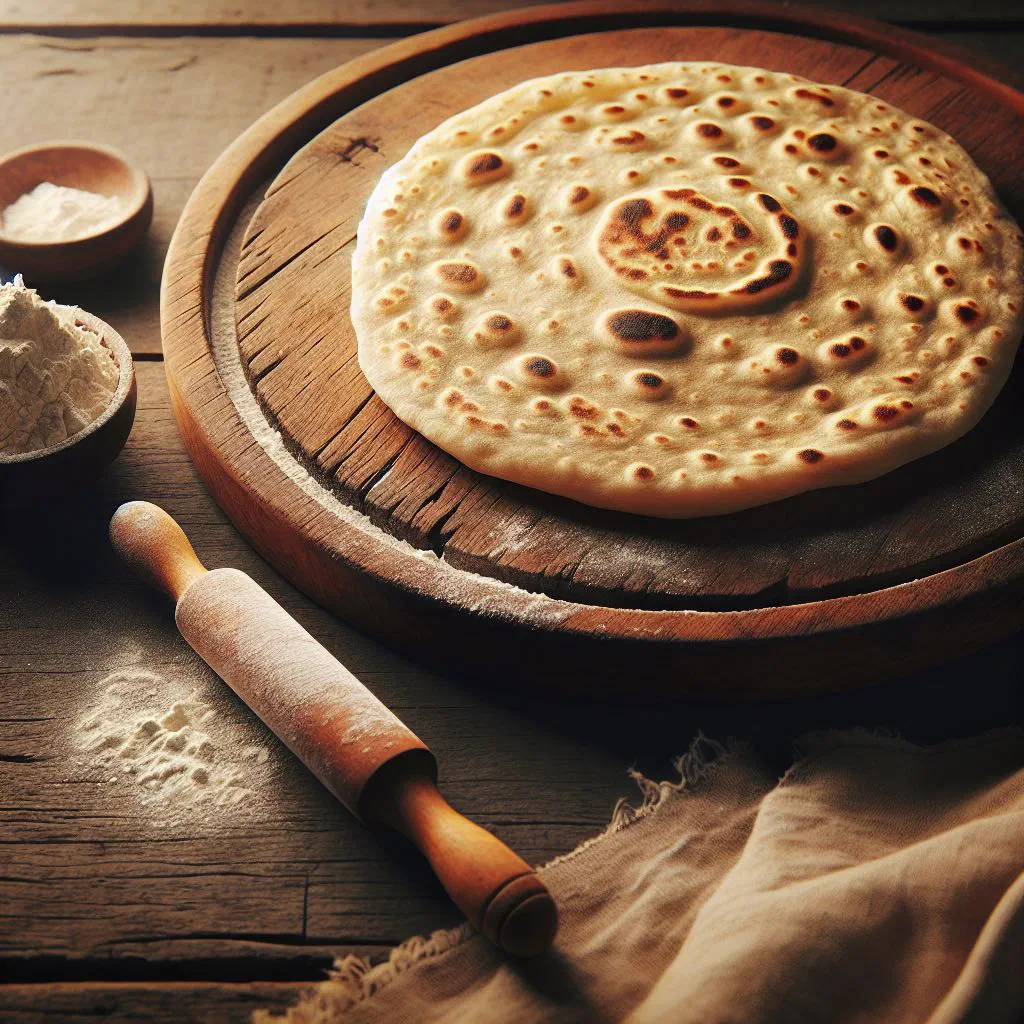
Discover Chapati, the soft, golden flatbread that has become one of Uganda’s most beloved everyday foods. Made from little more than flour, water, oil and salt, it is rolled paper-thin and fried until it puffs into flaky, pliable layers. Ugandans eat it with stews, wrap it around beans, or roll it up with eggs for the famous street snack known as Rolex. Bring the warmth of an East African kitchen to your own home with this simple, endlessly useful bread.
About Chapati
Chapati is a traditional Ugandan flatbread prepared in countless households and at every kind of celebration. It is straightforward to make and the ingredients are easy to come by. Chapati has a soft, slightly chewy texture and works beautifully as an accompaniment to all sorts of dishes. Meat or eaten on its own as a snack, chapati is wonderfully versatile, which is exactly why it is so popular. It sits alongside staples such as Posho at the centre of the country’s everyday table.
Ingredients (serves 1–2)
- 200 g flour (plain wheat flour recommended)
- 100 ml water
- 1 tablespoon oil (sunflower oil, for example)
- 1/2 teaspoon salt
Shopping for the ingredients
To make chapati you need only basic ingredients, all of which are stocked by most supermarkets. The key element is the flour, so it is worth choosing a good quality one. Oil gives the bread its characteristic flavour and the right consistency. Water and salt round the recipe off and are indispensable to the preparation.
Preparing the dish
Preparing chapati is quick and uncomplicated. Start by setting out all your ingredients so the process runs smoothly from beginning to end. It also helps to have a clean work surface where you can knead the dough comfortably. Have a frying pan ready as well, since that is where the chapatis will be cooked.
Step-by-step instructions
- Combine the flour and salt in a bowl.
- Add the oil and work it in thoroughly.
- Slowly add the water while kneading the dough.
- Shape the dough into a smooth ball and leave it to rest for 30 minutes.
- Divide the dough into equal pieces and roll each one out into a thin circle.
- Heat a pan and fry the chapatis for a few minutes on each side.
Gluten-free / lactose-free version
If you need to avoid gluten or lactose, alternative ingredients are easy to find. Use a gluten-free flour made from rice, maize or almonds. Here it is important to get the proportions right so the dough reaches the consistency you want. Make sure you also use a lactose-free oil if you are following a lactose-free diet.
Tips for vegans and vegetarians
Chapati is naturally vegan, since it contains no animal products at all. You can slot it into a vegan or vegetarian diet without any changes whatsoever. To give the bread an extra dimension, stir spices or fresh herbs into the dough. Variations like these lift not only the flavour but the nutritional value too, pair them with a plant-based classic such as Ebinyebwa.
More tips and tricks
When cooking chapati, take care not to overheat the pan, as too fierce a heat will scorch the bread. A medium heat gives an even, golden browning. Roll the dough out with a lightly floured rolling pin so it does not stick.
Adapting the recipe to your taste
The chapati recipe is highly adaptable and easily tuned to personal preference. You can adjust the amount of salt or oil to taste. Different types of flour can be blended together to create new flavours as well. Feel free to add herbs or spices to give your chapati a character all its own.
Ingredient substitutions
If you would rather not use plain flour, or simply want to try something different, there are plenty of options. Coconut flour or oat flour, for instance, will give you a different flavour and a different consistency. These alternatives are often more nutritious and bring additional nutrients to the table. Bear in mind that with gluten-free flour you may need to add a binding agent to stabilise the structure of the dough.
Drink pairing ideas
Chapati goes splendidly with a wide range of drinks. Home-made juices or teas are particularly refreshing and complement the bread nicely. A classic chai is a natural match, echoing the dish’s Indian origins. Sparkling mineral water is another good choice for balancing the flavours, while a glass of Ugandan Banana Wine makes a distinctly local pairing.
Serving and presentation ideas
To present your chapati attractively, arrange the flatbreads on a handsome serving board or in a rustic bowl. You can garnish them with fresh herbs or lay them out on a plate decorated with colourful vegetables. A thoughtful presentation heightens the pleasure of the meal and whets the appetite. Be sure to serve chapati warm so both flavour and texture are at their best.
A bit of history
Chapati has its roots in Indian cooking, where it has been a favourite accompaniment for centuries. Through migration and cultural exchange it spread to Uganda and other African countries. Today it is a fixed part of Ugandan cuisine and is valued in many families as an important staple food. Its simple preparation and versatility have made it a treasured dish across a wide range of regions.
More recipe ideas
- Posho — another traditional Ugandan dish, made from maize flour
- Matooke — a variety of banana that is usually steamed
- Rolex — a delicious snack of chapati rolled with eggs
- Kikomando
- Mandazi
Summary: Chapati
Chapati is a simple, tasty and versatile dish that occupies an important place in Ugandan cooking. With just a handful of ingredients and an uncomplicated method, it is within everyone’s reach. Chapati is a pleasure for any palate. The recipe is also easy to adapt to personal preference and lends itself beautifully to creative variation.