National Dish Uganda: Ebinyebwa (Recipe)
In this article
Discover Ebinyebwa, a traditional Ugandan dish that brings together soft plantains and roasted peanuts in one wonderfully savoury, nutty plateful. It is simple enough for a weeknight yet generous enough to share, and every mouthful carries the warmth of East African home cooking. Serve it as a main meal or as a side to other African specialities, and let it be your way into a food culture built on hospitality.
About Ebinyebwa
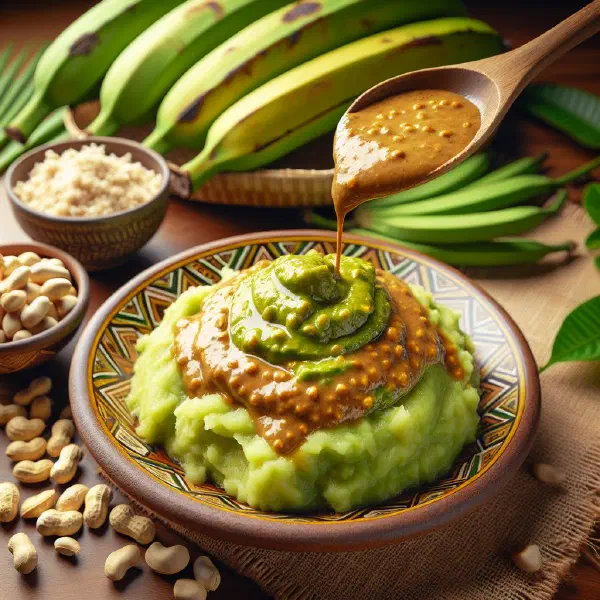
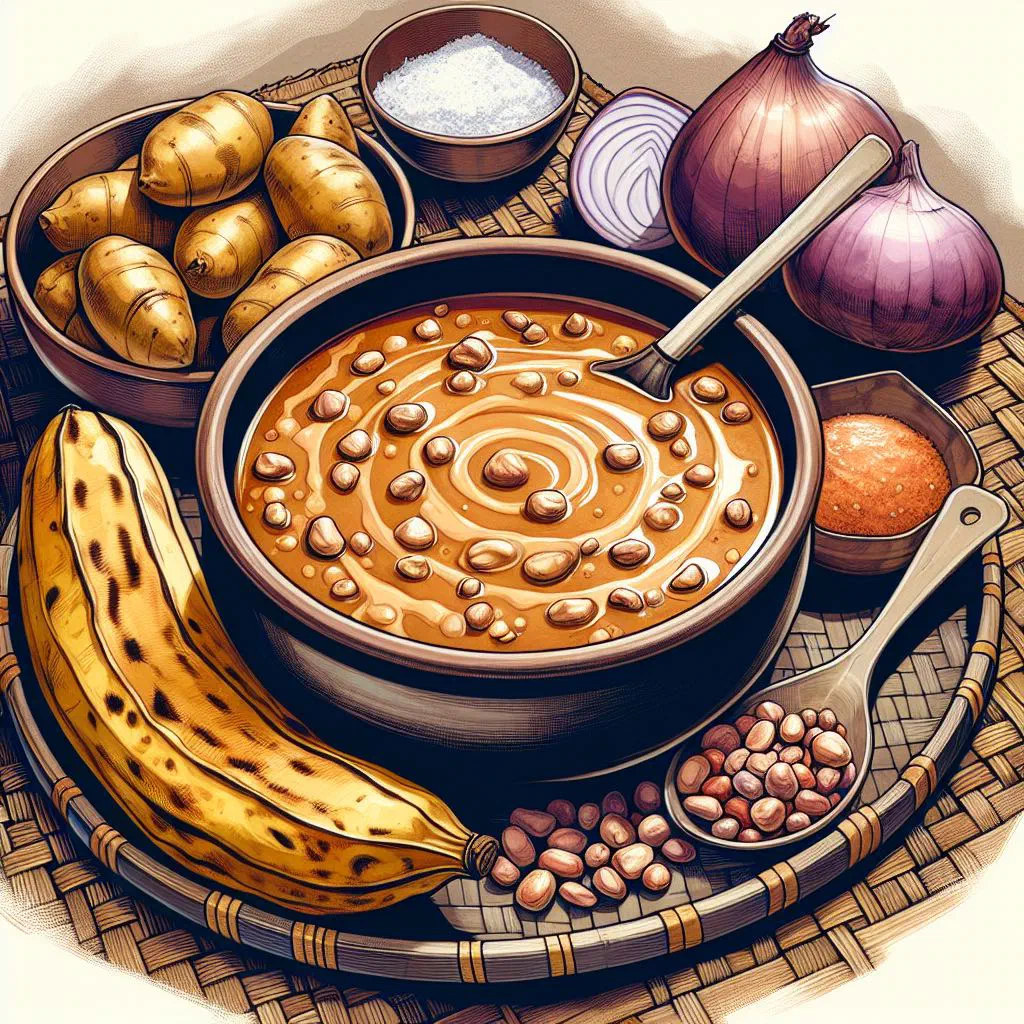
Ebinyebwa is a traditional Ugandan recipe built on the delicious pairing of plantains and peanuts. That harmonious combination gives the dish its distinctive savoury and nutty character, one that appeals to locals and visiting food lovers alike. Making Ebinyebwa is not only straightforward, it is also a lovely way to immerse yourself in Ugandan culture. Enjoy it as a main meal or as a side dish alongside other African favourites such as Katogo.
Ingredients (serves 1–2)
- 2–3 ripe plantains
- 100 g peanuts (roasted)
- 1 onion
- 2 cloves of garlic
- 1–2 tablespoons vegetable oil
- Salt and pepper to taste
- Fresh herbs, to garnish (optional)
Shopping for the ingredients
To make Ebinyebwa well, make sure your ingredients are fresh and of good quality. Ripe plantains are ideal, as they are soft and sweet without being overripe. A local market or an African or Asian grocery is the best place to find good peanuts. Choose fresh onions and garlic too. They make a real difference to the finished flavour.
Preparing the dish
Before you start cooking, prepare all the ingredients carefully. Peel the plantains and cut them into thick slices. The peanuts should be roughly chopped so their nutty flavour can come through properly. Finely slice the onion and garlic as well, so everything cooks evenly. These steps are what give Ebinyebwa its ideal texture and taste.
Step-by-step instructions
- Heat the vegetable oil in a frying pan.
- Add the onion and garlic and fry until golden brown.
- Add the sliced plantains to the pan and fry for a few minutes.
- Stir in the chopped peanuts and mix everything together well.
- Season with salt and pepper to taste, then let the dish simmer for a few minutes until the plantains are tender.
- Garnish with fresh herbs (optional) and serve warm.
Gluten-free / lactose-free version
Ebinyebwa is naturally gluten-free and lactose-free, since it contains no wheat products and no dairy. That makes it suitable for anyone with a gluten intolerance as well as for vegans and vegetarians. Do check that the peanuts and oils you use contain no additives carrying gluten or lactose. That small precaution ensures the meal works for everyone at the table.
Tips for vegans and vegetarians
For vegans and vegetarians, Ebinyebwa is a dream of a dish and easy to adapt. Use fresh, natural ingredients to get the most out of a plant-based meal. Add extra vegetables such as spinach or tomatoes for more colour and nutrition, much as you would in a Doodo. These additions also improve the texture and make the dish even tastier.
More tips and tricks
A few extra tips will help you refine your Ebinyebwa further. Experiment with spices such as turmeric or chilli to give the dish a particular signature. You can also stir in oats to vary the texture and boost the nutritional density. When cooking, try par-cooking the plantains before frying them for an even more tender result.
Adapting the recipe to your taste
Ebinyebwa is versatile enough to bend to your personal preferences. If you like a sweeter version, add a little honey or sugar to intensify the flavours. Alternatively, use smoked peanuts to give the dish a smoky depth. Playing with the ingredients lets you create a version of Ebinyebwa that suits your palate exactly.
Ingredient substitutions
If you are looking for alternatives to certain ingredients, sweet potatoes work well in place of plantains. They bring a similar texture but a different flavour to the dish. Vegetable oil can be swapped for olive oil to add a Mediterranean touch. And if peanuts are unavailable, almonds or cashews round the dish off beautifully, though for the classic nutty note, a spoonful of Ugandan Peanut Sauce is hard to beat.
Drink pairing ideas
A number of drinks go splendidly with a dish like Ebinyebwa. Try an African beer or a fruity lemonade to complement the flavours of the meal. A simple glass of water with lemon also makes a refreshing accompaniment. If you prefer something sweeter, mango juice could be the perfect choice to support the flavours in the dish.
Serving and presentation ideas
There is plenty of room to be creative with the presentation of Ebinyebwa. Serve it on a large, flat plate and decorate with fresh herbs or edible flowers. Colourful ingredients such as peppers or carrots can be used to add extra visual accents. An attractive presentation not only heightens the pleasure of eating, it also makes your dish look especially inviting.
A bit of history
Ebinyebwa has its origins in Ugandan cuisine, which is known for its variety and rich flavours. The dish is often served at special occasions and celebrations, and it symbolises the hospitality at the heart of Ugandan culture. The pairing of plantains and peanuts is harmonious on the palate and reflects a long tradition of cooking with local ingredients. In this way the dish remains a living tradition, handed down from generation to generation.
More recipe ideas
Summary: Ebinyebwa
In short, Ebinyebwa is a delicious and culturally significant dish that brings the flavours of Uganda together on one plate. The combination of plantains and peanuts makes for a memorable eating experience. With its simple preparation and adaptable ingredients, it suits keen food lovers and health-conscious eaters alike. Dive into the world of Ugandan cooking and enjoy this culinary masterpiece.