National Dish Uganda: Kalo (Recipe)
In this article
Discover Kalo, one of Uganda’s most enduring staple dishes. Made from nothing more than fermented maize flour, water and a pinch of salt, it is proof that the simplest recipes are often the most satisfying. Its gentle sourness and dense, comforting texture make it the perfect partner for rich stews and sauces. Bring the warmth and hospitality of an Ugandan family table straight into your own kitchen.
About Kalo
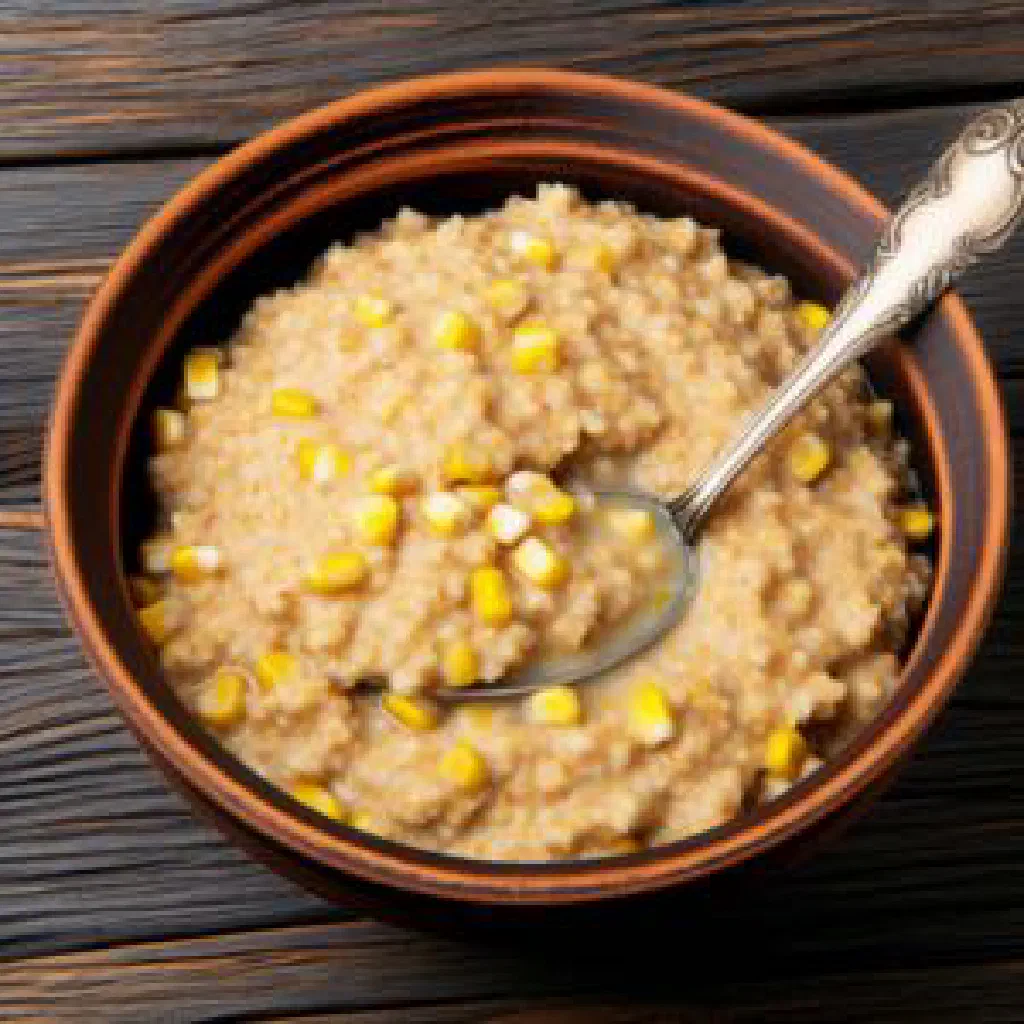
Kalo is a traditional Ugandan national dish made from fermented maize flour and water. This hearty staple has deep roots in Ugandan culture and is closely tied to community life. Kalo is usually served with a variety of side dishes, enriched by the flavours of local ingredients. Every plate that reaches the table carries taste and the traditions and generous hospitality of Uganda.
Ingredients (serves 1–2)
- 1 cup fermented maize flour
- 1½ cups water
- A pinch of salt
Shopping for the ingredients
To source the ingredients for Kalo, head to a local market or an African or Asian grocery, where fermented maize flour is usually stocked. Pay attention to the quality of the flour, the fresher it is, the better the finished dish will taste. Specialist shops often carry the regional accompaniments traditionally served alongside kalo as well. Don’t forget to pick up the spices and other ingredients you’ll need for those sides.
Preparing the dish
Preparing kalo is straightforward, though it does call for a little patience because of the fermentation process. If you want to ferment the maize flour yourself, it is best to start a day ahead. Storing the flour correctly is important to achieve the right fermentation characteristics. If your flour has already been fermented, you can go straight on to cooking.
Step-by-step instructions
- Tip the fermented maize flour into a bowl and add the water slowly, stirring constantly as you go.
- Mix thoroughly until the batter is smooth, even and completely free of lumps.
- Transfer the mixture to a pan and cook over medium heat for 10–15 minutes, stirring continuously, until it thickens into a dense paste.
- Take the finished kalo off the heat and turn it out into a bowl or onto a plate to cool a little before serving.
Gluten-free / lactose-free version
Kalo is naturally gluten-free and lactose-free, since its main ingredient is fermented maize flour. That makes it an excellent choice for anyone with food intolerances. Do make sure, though, that the side dishes you serve are free of gluten and dairy too, so the meal as a whole meets those requirements. Check ingredient labels carefully to avoid hidden allergens.
Tips for vegans and vegetarians
For vegans and vegetarians, kalo is a wonderful way into traditional Ugandan cooking. Serve it with plant-based sides such as steamed vegetables or light, silky sauces that complement its mild sourness, a Ugandan Peanut Sauce is a classic match. There are plenty of creative, entirely plant-based accompaniments that suit kalo beautifully. Experiment with different vegetable and spice combinations to build a memorable meal.
More tips and tricks
To get the most out of Kalo, play with the consistency by adding a little more or a little less water. If you prefer a firmer, chewier texture, hold back on the liquid. Another option is to stir seasoning into the base to give the dish a personal signature. Hot sauces or local spice blends can add an entirely new dimension.
Adapting the recipe to your taste
The beauty of kalo lies in its versatility. You can tailor it to your household’s preferences by pairing it with different beans or vegetables on the side. Red beans or peas add extra nutrients and turn the meal into a varied, wholesome plate, much as they do in a bowl of Pasted Beans. You can also shorten the work considerably by using ready-made accompaniments, widely available in most markets.
Ingredient substitutions
If fermented maize flour is hard to find, you can prepare kalo with fermented rice flour or millet flour instead. These alternatives shift the flavour and texture slightly but still deliver a delicious, traditional result. Adjust the water accordingly, as different flours absorb different amounts of liquid. That flexibility gives you room to explore new flavours with every batch.
Drink pairing ideas
Kalo goes remarkably well with a range of drinks that are both refreshing and full of character. Try serving it with fruit juices or a traditional Ugandan beer to round out the meal. Herbal teas are a good choice too, subtly echoing the earthy notes of the dish. Experiment with different combinations to find your own perfect pairing.
Serving and presentation ideas
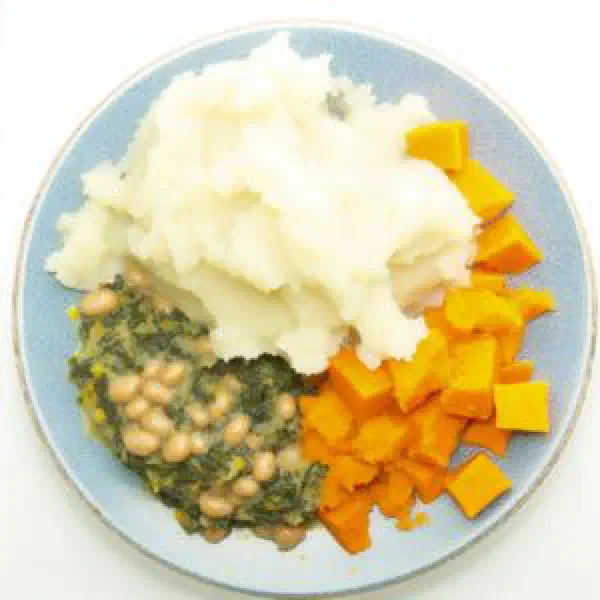
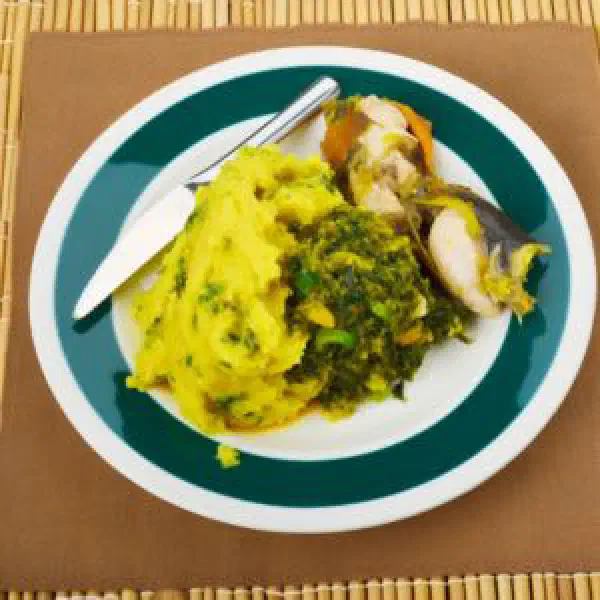
To present kalo impressively, mound it in an attractive bowl and garnish with colourful vegetables. Fresh herbs or edible flowers add welcome visual accents. A thoughtful presentation not only makes the dish look better, it turns the meal into something of an occasion. Arranging bowls and plates at different heights creates a lively, inviting layout.
A bit of history
Kalo has a long history in Ugandan cuisine and is closely bound up with the customs and daily rhythms of the country. Fermented maize is more than a source of nourishment; it represents an important cultural thread. For generations this dish has been served at celebrations and communal meals, much like Matooke and other everyday staples. It stands for the shared identity and togetherness of the people of Uganda.
More recipe ideas
Summary: Kalo
Kalo is a hearty, nourishing dish that reflects the culture and traditions of Uganda. It is simple to make, and with the right choice of sides it becomes a complete, satisfying meal. It offers enormous scope for adaptation and suits a wide range of dietary needs. Give kalo a try and let the flavours of Africa inspire your own kitchen.