National Dish Uganda: Karo (Recipe)
In this article
Few dishes say “home cooking” in Uganda quite like Karo. Made from nothing more than maize meal, water and a pinch of salt, it turns into a soft, pleasantly sticky mound that soaks up sauces and stews beautifully. It is filling, endlessly forgiving and a natural centrepiece for a shared table. Proof that the best food often comes from the simplest ingredients.
About Karo
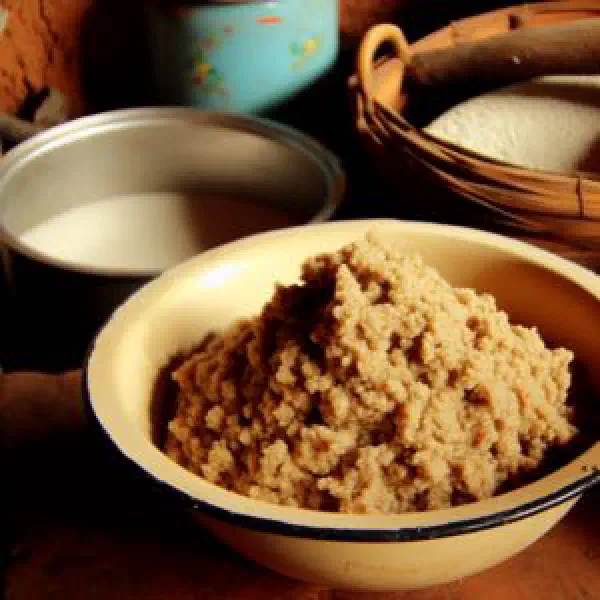
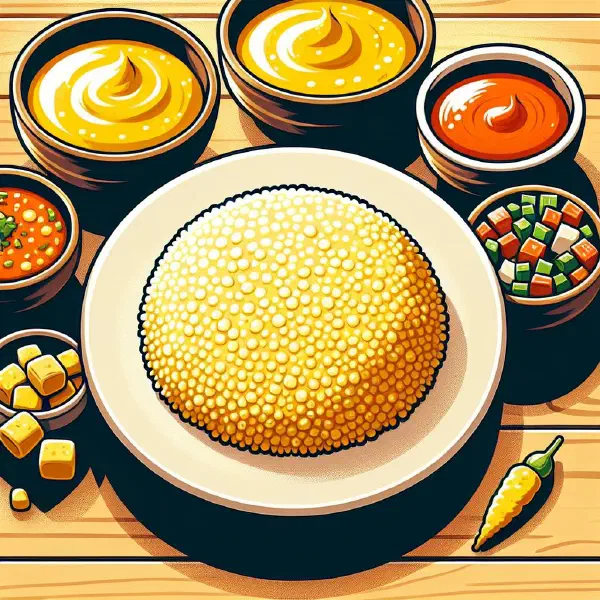
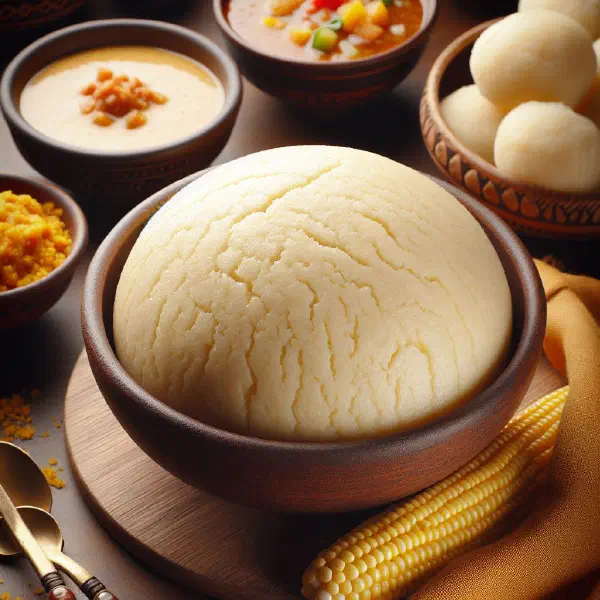
Karo is a traditional dish from Uganda made from maize meal. It has a soft, slightly sticky texture that is ideal for scooping up sauces and vegetables, which is why it so often appears alongside hearty stews. Served as a side to dishes such as Groundnut Stew or a rich meat sauce, it suits sociable, unhurried meals where everyone helps themselves from the middle of the table. The dish is nourishing, straightforward to prepare and brings the authentic flavours of Uganda straight to your plate.
Ingredients (serves 1–2)
- 1 cup maize meal
- 1½ cups water
- 1 pinch of salt
- Optional: a little oil for stirring through
Shopping for the ingredients
When shopping for karo, the key is to choose good-quality maize meal that is fresh and finely milled. African and Asian grocers usually stock a wide selection, and many larger supermarkets now carry it too. Pick up fresh water and any seasonings you might want to finish the dish with according to your own taste. With these few ingredients you can create an authentic preparation that stays in the memory long after the meal.
Preparing the dish
Preparing karo takes very little time. Begin by gathering your ingredients and measuring out the quantities you need. Because the dish is so simple, the main thing is to have all your utensils ready before you start, a sturdy pan for cooking and a spoon or whisk to stir the mixture thoroughly. A wooden spoon with a long handle is especially useful once the mixture begins to thicken.
Step-by-step instructions
- Pour the water into a saucepan and bring it to the boil.
- Add the maize meal a little at a time, stirring constantly so no lumps form.
- Reduce the heat and add a pinch of salt.
- Cook the mixture, stirring continuously, until it becomes thick and sticky (about 5–10 minutes).
- Take the pan off the heat and let the karo rest for a few minutes before serving.
Gluten-free / lactose-free version
The good news is that karo is naturally gluten-free, since it is made from maize meal alone. That makes it an excellent option for anyone with a gluten intolerance or coeliac disease. Using only water and salt also means the dish is lactose-free from the outset. If you are after a little extra character, you can stir in plant-based oils or spices, which are likewise free of lactose.
Tips for vegans and vegetarians
Karo is naturally vegan, as it contains no animal products whatsoever. To turn it into a balanced meal, pair it with fresh vegetables or pulses, a plate of Doodo greens or a bowl of Pasted Beans works beautifully. A side of mixed vegetables or a classic Ugandan stew makes the meal not only colourful but genuinely wholesome. Surprise guests with varied combinations and offer a couple of different dips alongside.
More tips and tricks
When cooking karo, patience and constant stirring are what deliver the texture you are looking for. You can also add ingredients of your own to make the dish more interesting. Above all, serve the karo warm so that its flavour comes through fully.
Adapting the recipe to your taste
The great thing about karo is how easily it adapts to personal preferences and tastes. Add seasonings such as garlic or ginger to give the dish a sharper edge. Fresh herbs stirred through at the end lend it extra freshness and aroma.
Ingredient substitutions
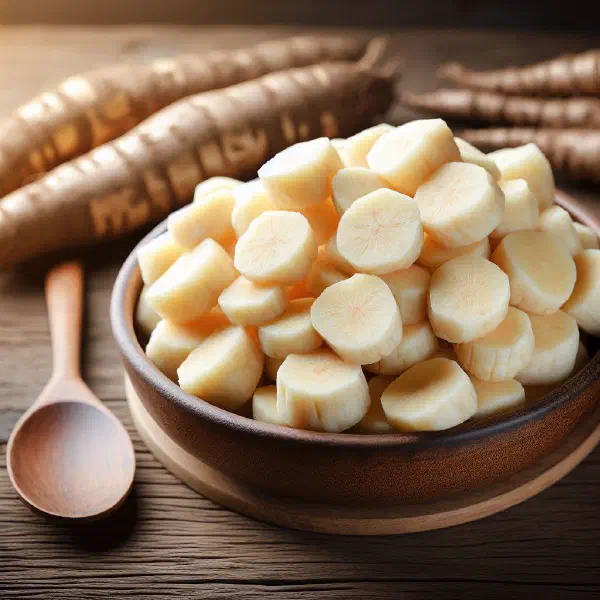
If you have no maize meal to hand, other flours will do the job, millet or rice flour, for instance. Bear in mind, though, that this will change both the texture and the flavour of the dish; a millet version comes out much closer to Kalo. The amount of liquid may vary as well, so you may need to adjust the cooking accordingly. Treat it as an opportunity to try new combinations and perhaps even to create your own version of karo.
Drink pairing ideas
Traditional Ugandan drinks pair well with karo, from obushera, a lightly fermented millet drink, to a glass of Ugandan Banana Wine. Refreshing fruit juices or unsweetened tea also work nicely alongside the dish. Experiment with different drinks to round out the flavours. Just make sure whatever you pour is not too sweet, so the balance of the meal stays intact.
Serving and presentation ideas
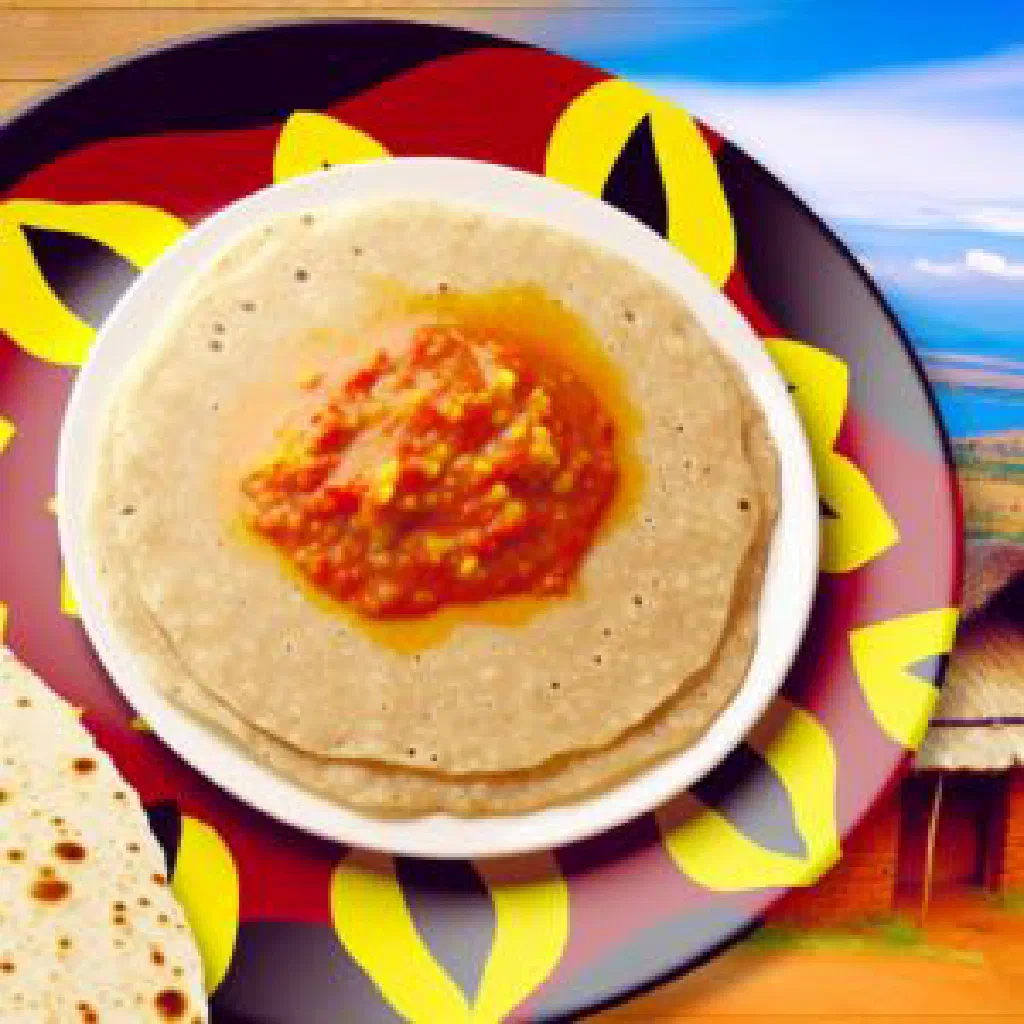
An attractive presentation can heighten the whole karo experience. Serve the dish on a traditionally decorated plate and garnish it with fresh herbs or brightly coloured vegetables. Aim for a colour combination that draws your guests’ eyes to the table. Natural materials such as wooden bowls or woven mats add another dimension to the meal.
A bit of history
Karo has its roots in Ugandan culture and has been eaten for centuries. It is a staple food found in one form or another across much of Africa, and it is a fine example of the simple but flavourful Ugandan cuisine. The dish reflects the traditions and eating habits of the region, and it is often served at festivals and special occasions, forming a link between families and communities.
More recipe ideas
Summary: Karo
Karo is a simple, nourishing and thoroughly satisfying dish that comes into its own at a shared meal. Its softly sticky texture makes it ideal for mopping up all manner of sauces and vegetables. With the tips and instructions above you can prepare and adjust karo entirely to your own taste. Discover the flavours of Uganda and enjoy the variety of African cooking through this traditional dish.