National Dish Uganda: Katogo ya Ekitookye (Recipe)
In this article
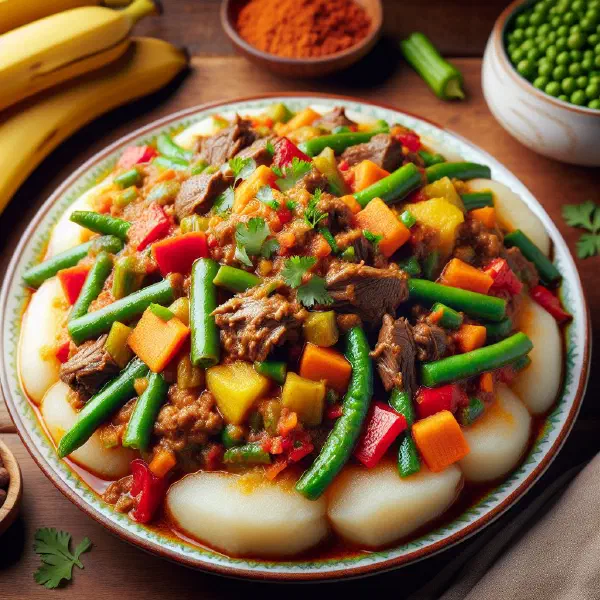
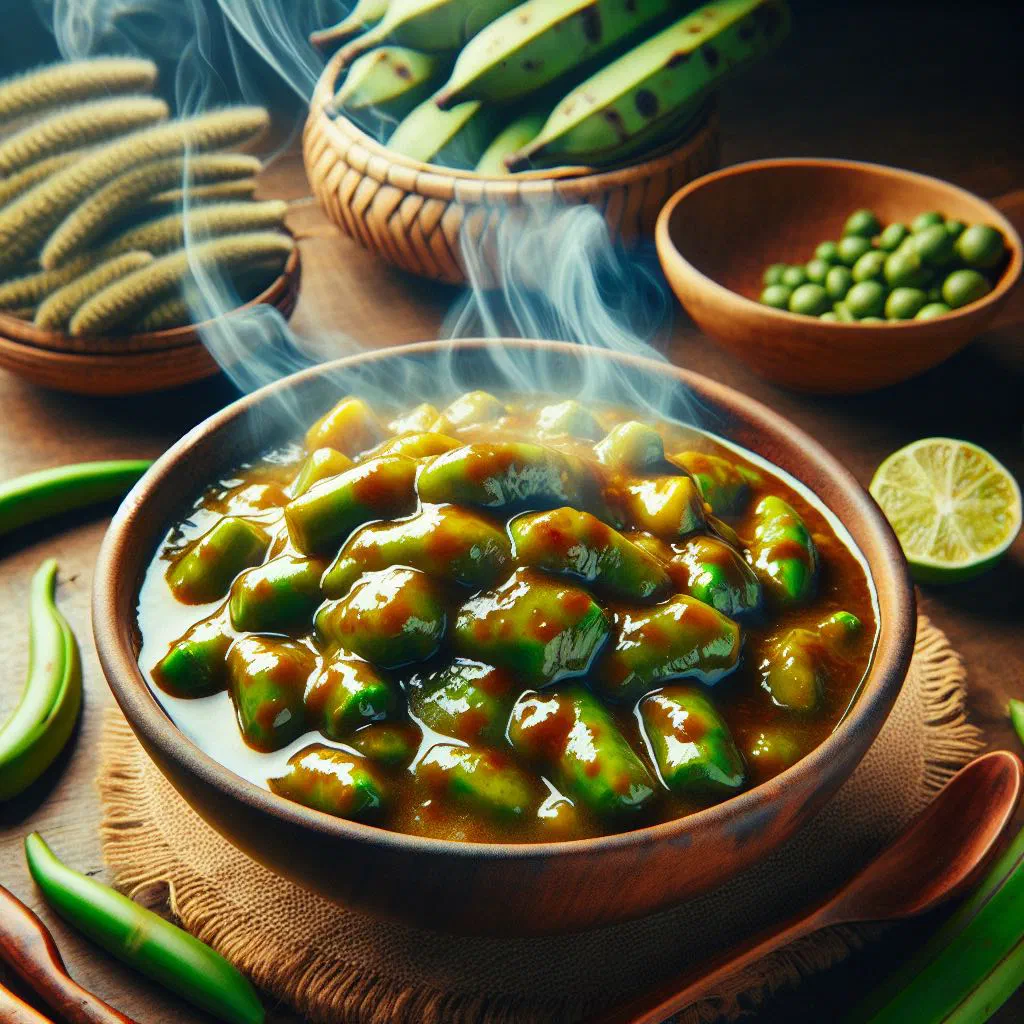
Say hello to Katogo ya Ekitookye, a warming one-pot stew that sits right at the heart of the Ugandan table. Green plantains soften into the sauce while tender meat, tomatoes and sweet carrots build layer upon layer of flavour. It is filling, unfussy food, the sort of thing that gets ladled out at family gatherings and lazy weekend lunches, and it is every bit as good made in a Western kitchen.
About Katogo ya Ekitookye
Katogo ya Ekitookye is a traditional Ugandan dish and a genuine burst of flavour. It is usually cooked as a stew that brings together plantains, meat and a handful of vegetables in a single pot. The result is hearty and remarkably nourishing, which makes it an ideal choice for sociable occasions and family meals alike. The recipe reflects the rich culinary traditions of the country and is a lovely invitation to explore the variety of Ugandan cuisine.
Ingredients (serves 1–2)
- 2 ripe plantains
- 300 g meat (beef or chicken, for example)
- 1 onion, chopped
- 2 tomatoes, diced
- 1 pepper, diced
- 2 carrots, sliced
- 1 teaspoon vegetable stock
- Spices (salt, pepper, paprika)
- Water as needed
Shopping for the ingredients
For katogo ya ekitookye it is important to pick out fresh produce. Make sure the plantains are properly ripe so you get the best sweetness and texture. The meat should be fresh and of good quality too, so the dish can develop its full flavour. Most of the remaining ingredients, the vegetables and spices, are easy to find in a supermarket or at a local market, and an African or Caribbean grocer is the surest source of good plantains.
Preparing the dish
Getting ready to cook katogo ya ekitookye is fairly straightforward, though it does reward a little planning. Wash and prepare the plantains and the vegetables thoroughly first. The meat is cut into bite-sized pieces and benefits from being marinated beforehand to deepen the flavour. All in all it pays to have everything laid out and ready before you start, so the cooking runs smoothly from beginning to end.
Step-by-step instructions
- Brown the meat in a large pan until well coloured.
- Add the onion, tomatoes and pepper and continue frying until the onion turns translucent.
- Stir in the carrots and let them soften briefly.
- Add the diced plantains and the vegetable stock.
- Top up with water, add all the spices and stir well.
- Bring the stew to the boil, then lower the heat and simmer until everything is tender.
- Taste before serving and adjust the seasoning as needed.
Gluten-free / lactose-free version
Katogo ya Ekitookye is naturally gluten-free and lactose-free, which makes it an excellent choice for anyone with those intolerances. Simply avoid any products containing gluten while cooking and check that the spices and stock you use are certified gluten-free. If you are working with meat, most fresh, unprocessed cuts are gluten-free as a matter of course. Enjoy the dish without a second thought about intolerances.
Tips for vegans and vegetarians
For vegan and vegetarian versions of katogo ya ekitookye, the meat can be swapped for plant-based alternatives or for pulses such as lentils. These bring plenty of protein and complement the flavour of the stew nicely. Using vegetable stock or even coconut milk in place of a meat broth adds an interesting new direction. The dish stays just as nourishing and satisfying while leaving out animal products altogether, much like a hearty Yam and Bean Curry.
More tips and tricks
A few extra pointers will help you get the best out of katogo ya ekitookye. Experiment with different vegetables, or add spices such as ginger or cumin to explore new flavour directions. A longer cooking time lets the aromas unfold properly and gives the stew a deeper, more rounded character. Keep an eye on the pot and add a splash more water whenever the stew begins to thicken too much.
Adapting the recipe to your taste
The great thing about katogo ya ekitookye is how readily it adapts to personal preference. Depending on what you like, you can use different cuts of meat or simply pile in more vegetables to shift the balance of flavours. The quantity of spice is equally flexible, according to whether you prefer the dish fiery or gentle. That leaves you free to vary it again and again without ever repeating yourself.
Ingredient substitutions
If some of the ingredients for katogo ya ekitookye are hard to track down, there is always an alternative. Different vegetables work perfectly well, and quinoa makes a good side if you want to stretch the meal further. Should plantains be unavailable, ordinary bananas will do at a push, though the flavour shifts noticeably; steamed Matooke is the more authentic stand-in. It is also worth experimenting with different stocks to give the stew a character of its own.
Drink pairing ideas
A number of drinks suit katogo ya ekitookye and pick up on the flavours in the pot. A fresh fruit juice or a light beer both make excellent companions. Traditional Ugandan tea, often brewed with local herbs, should not be overlooked either. Choose whatever matches your own taste and lets the food shine.
Serving and presentation ideas
Thoughtful presentation lifts the whole katogo ya ekitookye experience. Serve the stew in a generous bowl that draws the eye. Garnishes such as fresh herbs or toasted nuts add a further touch, and a side of Chapati for mopping up the sauce is always welcome. Arrange everything with a little care to create a warm, inviting atmosphere for your guests.
A bit of history
Katogo ya Ekitookye has deep roots in Ugandan culture and is often served at celebrations. It is not merely a dish but a symbol of hospitality and of eating together. Historically it was made with fresh ingredients gathered from the family garden, which underlines its close connection to the land. Cooking and sharing this stew is part of a long-established tradition passed down through the generations.
More recipe ideas
Summary: Katogo ya Ekitookye
Katogo ya ekitookye is a distinctive dish that draws the flavours of Uganda together in one pot. With its combination of plantains, meat and vegetables it is both nourishing and thoroughly tasty. It suits sociable occasions perfectly and offers no end of scope for adaptation. Let the variety of Ugandan cooking inspire you and enjoy the deep, savoury flavours of this classic stew.