National Dish Uganda: Kikomando (Recipe)
In this article
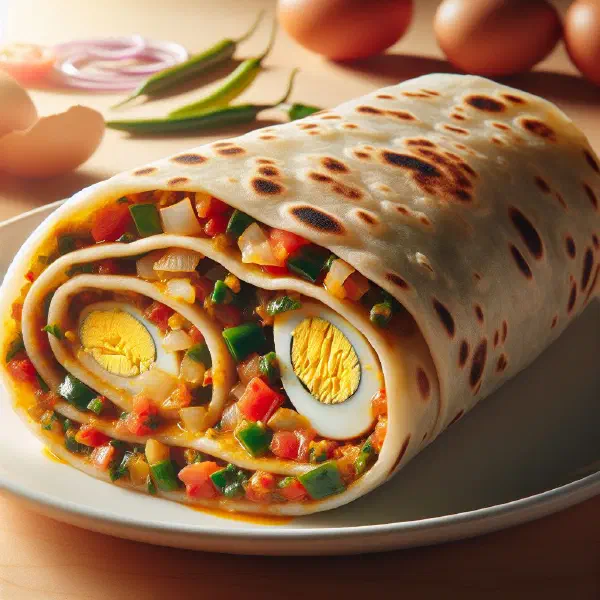
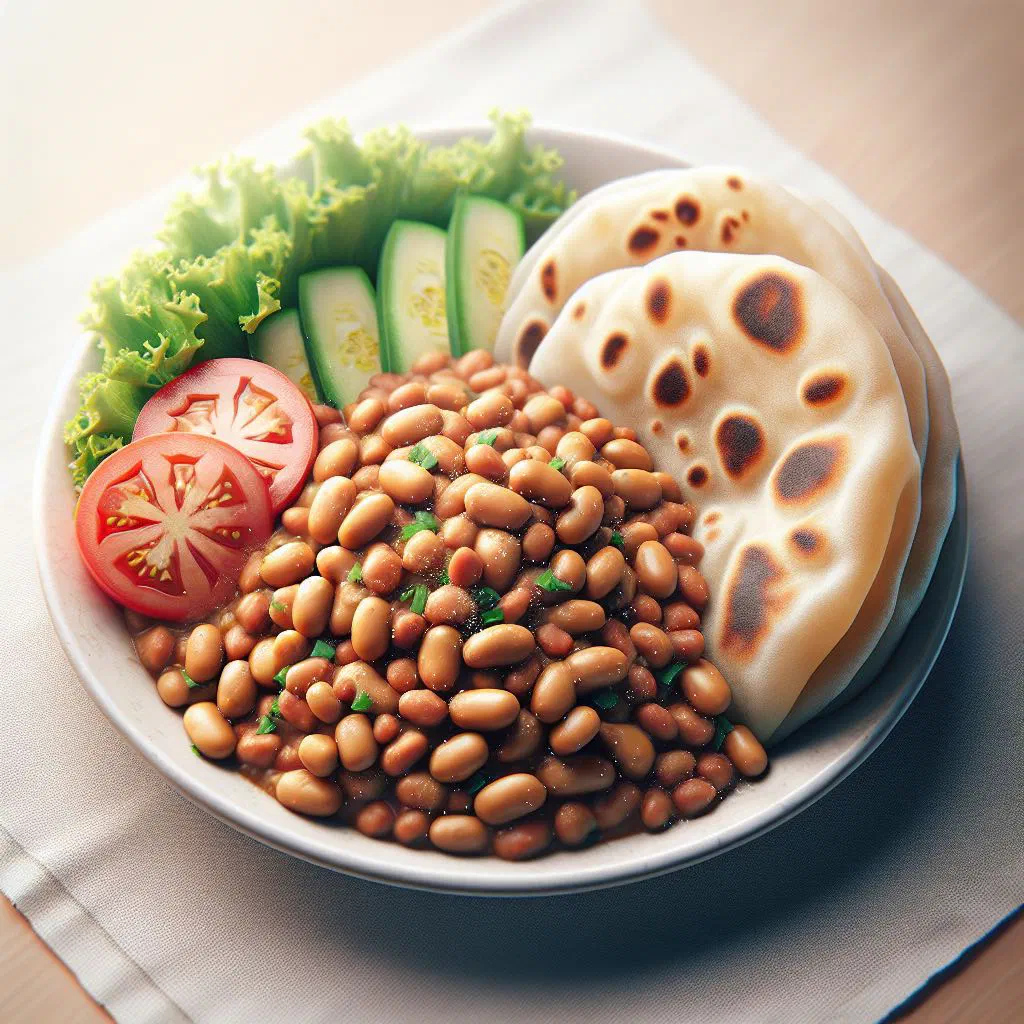
Meet Kikomando, Uganda’s beloved street-food staple and proof that the simplest food is often the best. Warmly spiced beans meet strips of freshly torn chapati in a bowl that costs next to nothing yet fills you up completely. It comes together in minutes, needs no special equipment, and works just as well for a hurried weekday lunch as for a lazy weekend brunch. One bite and you will understand why Ugandans queue for it every single morning.
About Kikomando
Kikomando is a much-loved national dish of Uganda, celebrated for its simplicity and its lively mix of flavours. The two main components are spiced beans and sliced chapati, which together make a hearty, genuinely filling meal. The dish is delicious and offers a well-balanced spread of nutrients, making it a sound choice for a nourishing meal. Kikomando suits any time of day and is quick to put together, which makes it an ideal option for anyone with a busy schedule.
Ingredients (serves 1–2)
- 200 g beans (cooked or tinned)
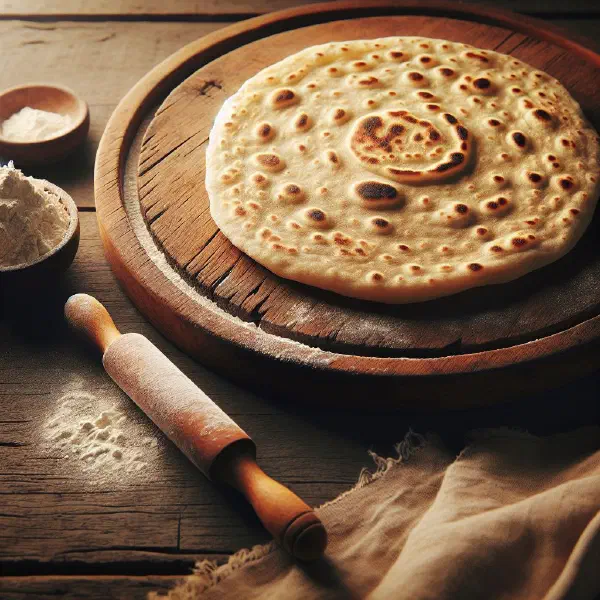
- 2 chapatis (or tortillas)
- 1 onion, chopped
- 1 tomato, chopped
- 2 garlic cloves, chopped
- 1 teaspoon paprika
- 1 teaspoon cumin
- Salt and pepper to taste
- Oil for frying
Shopping for the ingredients
When shopping for kikomando it pays to choose fresh produce for the best possible flavour. Look for good-quality beans, whether you buy them dried or tinned. Chapatis can often be found in Asian or African grocers, or you can make them yourself from scratch. It is also worth reaching for organic vegetables where onions and tomatoes are concerned, as these tend to be fresher and more flavourful.
Preparing the dish
Getting ready to cook kikomando is straightforward and takes very little time. Begin by chopping the onions, tomatoes and garlic so the flavours spread evenly through the pan. Next, have the beans to hand, cooking them first if they are not already done. This is also the perfect moment to warm the chapati so it is soft and fresh when you come to serve.
Step-by-step instructions
- Heat a little oil in a frying pan and add the chopped onion, cooking until soft.
- Add the chopped garlic and tomatoes and fry everything for a few minutes.
- Tip in the seasoned beans (paprika, cumin, salt and pepper) and let them fry briefly.
- Warm the chapati in a separate pan or in the oven.
- Serve the bean mixture on the chapati and enjoy your kikomando.
Gluten-free / lactose-free version
Kikomando is easy to make gluten-free and lactose-free. Swap the chapati for gluten-free tortillas or another gluten-free alternative that suits your dietary needs. The beans are naturally free from gluten and lactose, so the dish is already suitable for many people in its basic form. Do check that the spices and other ingredients you use meet the standards you are after.
Tips for vegans and vegetarians
For vegans and vegetarians, kikomando is an excellent choice, as it is entirely plant-based. Just make sure the beans and spices you use contain no animal products. To push the protein content higher still, you can stir in quinoa or lentils. Adding leafy greens such as spinach or chard brings extra nutrients as well as more colour and texture to the plate, much like the greens in a warming Doodo.
More tips and tricks
To make kikomando even tastier, try adding spiced oils for an extra burst of flavour. Experiment with heat by throwing in chillies or extra pepper to tune the dish to your own liking. Marinating the beans beforehand can also help to deepen their flavour. Keep an eye on the cooking time so the beans reach the ideal consistency, soft, but never mushy.
Adapting the recipe to your taste
One of the finest qualities of kikomando is its versatility. You can add or swap in different vegetables depending on what you happen to have. Carrots, peppers or even roasted vegetables all work beautifully and bring extra flavour and nutrition. The spices can be varied to taste as well, so everyone can create their own personal version of kikomando, the same freedom you get with a Vegetable Curry.
Ingredient substitutions
If beans are not to your liking, kikomando works just as well with lentils, which are an equally fine source of protein. Chickpeas are another tasty option. For the chapati, you can choose different flours to achieve different flavours and textures. Playing around with ingredients is a great way to tailor the dish to your own preferences.
Drink pairing ideas
Plenty of drinks pair happily with kikomando and round the meal off nicely. Try a cold African beer or a freshly pressed juice for the best of it. A cup of herbal tea makes a calming option and offers a pleasant contrast to the dish’s spiced notes. Sparkling mineral water with lemon is another refreshing choice.
Serving and presentation ideas
The look of kikomando can be lifted with just a few simple touches. Serve it on a large plate and garnish with fresh herbs such as coriander or chives. A colourful side of salad or steamed vegetables pleases the eye and underlines the healthier side of the meal. Using traditional Ugandan serving dishes adds a cultural note and makes the meal feel that bit more special. Try it alongside a portion of Posho.
A bit of history
Kikomando has its origins in Ugandan culture and is a classic of African cooking. The dish reflects both the simplicity and the resourcefulness of the country. It is often sold by street vendors and is hugely popular with locals and visitors alike. The pairing of beans and chapati gives people the energy they need for the day ahead, and it has held its place in the culinary tradition of Ugandan cuisine across generations.
More recipe ideas
Summary: Kikomando
Kikomando is a simple yet flavourful Ugandan dish made from spiced beans and chapati. It is nourishing, quick to prepare and easily adjusted to individual tastes. Vegetarian or simply someone who loves good food, kikomando has something to offer. Let this distinctive combination win you over and enjoy African cuisine in all its variety.