National Dish Uganda: Nakati with Peanut Sauce (Recipe)
In this article
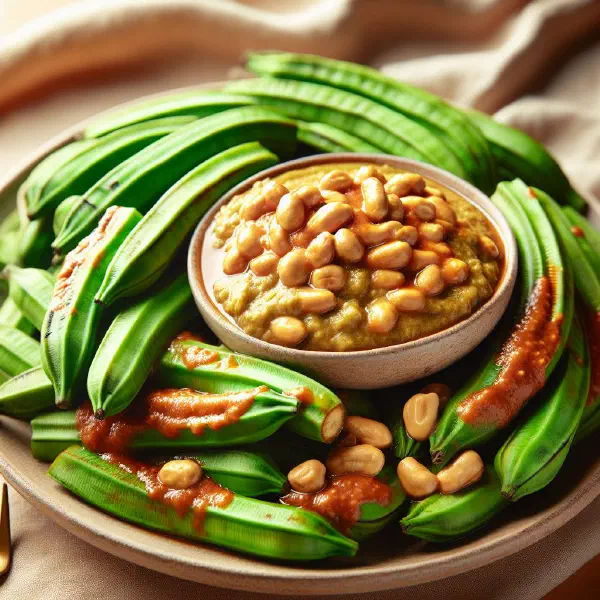
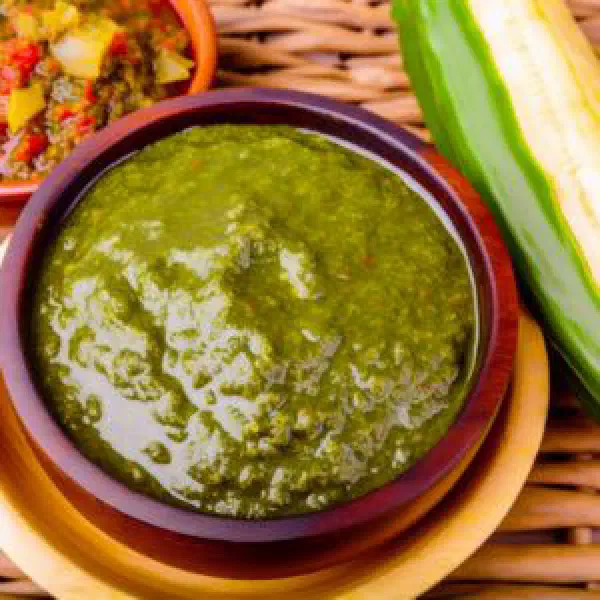
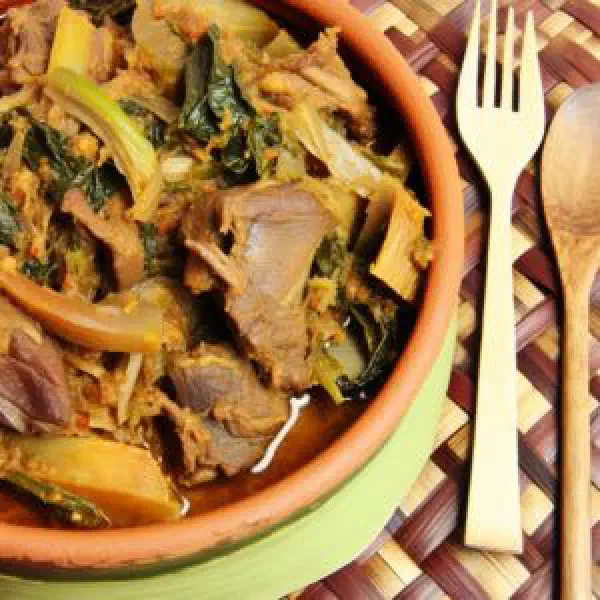
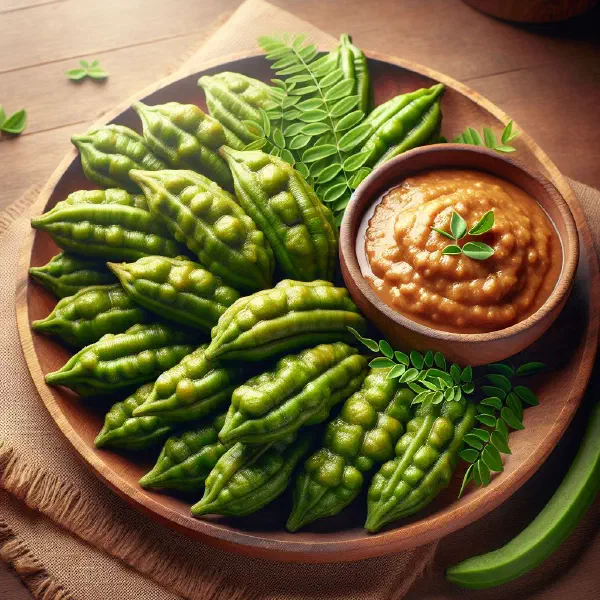
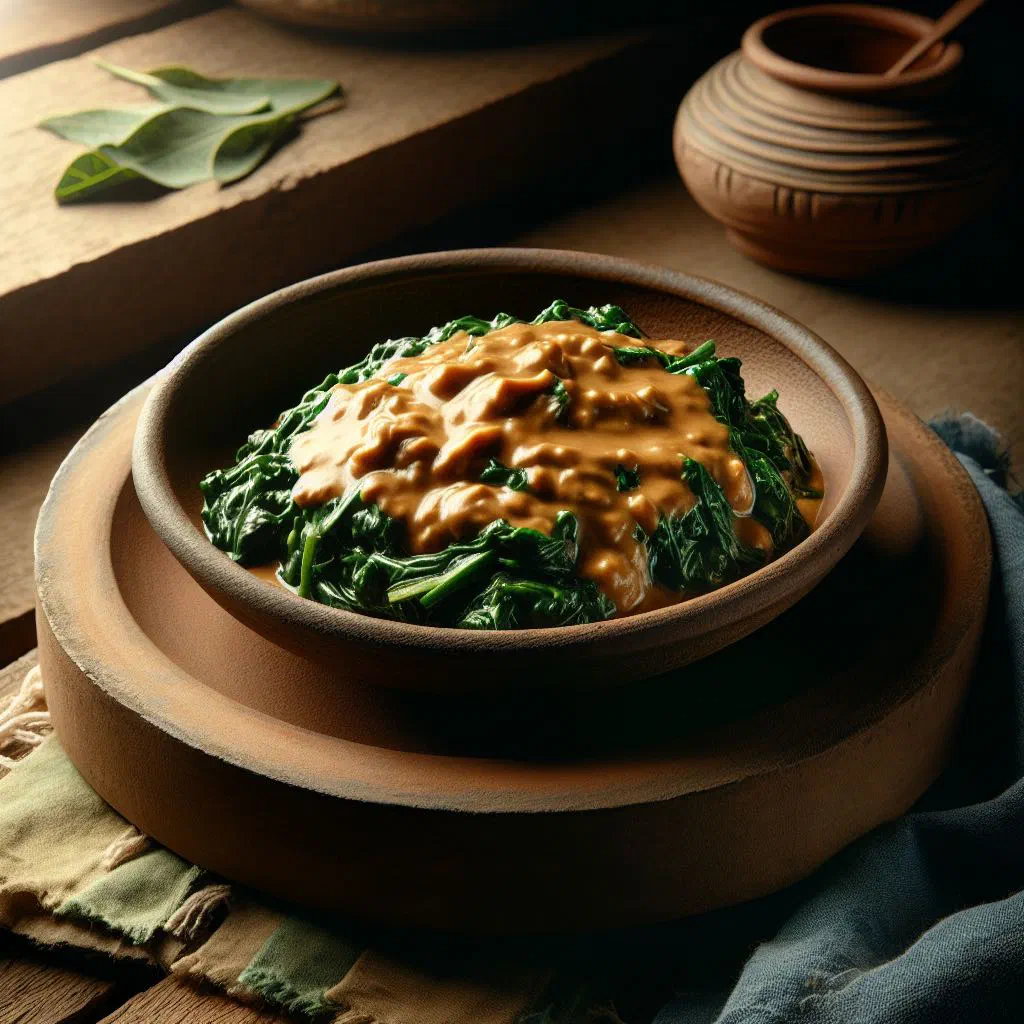
Meet Nakati with Peanut Sauce, a green, nourishing classic from the heart of East Africa. Tender amaranth leaves are gently simmered until they soften, then folded into a creamy peanut sauce enriched with coconut milk, ginger and garlic. It is a dish that manages to be both humble and generous, everyday food in Ugandan homes, yet good enough for guests. Serve it with rice or a stiff maize porridge and you have a plate that tastes of sunshine and slow afternoons.
About Nakati with Peanut Sauce
Nakati is a traditional Ugandan national dish known for its wholesome preparation and its deep, rounded flavours. The vegetable itself, a leafy green also sold as amaranth, is served in a delicious creamy peanut sauce that gives it an unmistakable character. Nakati is often paired with rice or ugali and works equally well as a side dish or as a main course in its own right. The combination of fresh produce and warm spices makes for a memorable plate that represents African cooking at its best.
Ingredients (serves 1–2)
- 200 g fresh nakati (or amaranth greens)
- 150 ml coconut milk
- 4 tablespoons peanut butter (unsweetened)
- 1 onion, finely chopped
- 2 cloves of garlic, chopped
- 1 teaspoon fresh ginger, grated
- 2 tablespoons vegetable oil
- Salt and pepper to taste
Shopping for the ingredients
Before you start cooking nakati, it is worth gathering all the ingredients you need. Visit a local market or an African grocery to track down fresh nakati, as it is not stocked by every supermarket. Look for leaves that appear fresh and crisp rather than limp. Peanut butter made from 100% peanuts gives the best flavour and is the healthier choice. Picking up fresh spices and herbs at the same time lets you refine the dish that little bit further.
Preparing the dish
Preparing nakati is straightforward and takes only a few steps. First, wash the greens thoroughly to remove any grit or soil. Then cut the leaves and stems into smaller pieces so they cook through evenly. Because the peanut sauce plays such a central role in this recipe, it helps to whisk the peanut butter and the coconut milk together in a bowl beforehand until you have a smooth, homogeneous mixture. This groundwork is what makes the cooking itself so quick and reliable.
Step-by-step instructions
- Heat the oil in a frying pan over medium heat and add the chopped onion. Fry until lightly golden.
- Add the chopped garlic and the grated ginger and fry for about 1 minute, until fragrant.
- Add the washed nakati to the pan and fry for around 5 minutes, until the leaves begin to wilt.
- Reduce the heat and pour in the peanut butter and coconut milk mixture. Stir well so the greens are evenly coated.
- Cover the pan and let everything simmer for a further 10 minutes, until the nakati is tender. Season with salt and pepper and serve.
Gluten-free / lactose-free version
Nakati is naturally gluten-free and lactose-free, which makes it an excellent option for anyone with particular dietary restrictions. When buying peanut butter, check the label to make sure there are no hidden sources of gluten. Coconut milk is a fine substitute for dairy and delivers a creamy consistency without any lactose at all. You can therefore enjoy this dish with complete peace of mind while still looking after your health.
Tips for vegans and vegetarians
For vegans and vegetarians, nakati is an ideal dish, since it is built entirely on plant-based ingredients. To adapt the recipe further, you can add other greens such as spinach or chard to broaden the range of nutrients, much as cooks do with Doodo, the country’s other beloved leafy green. The peanut butter can also be swapped for cashew or almond butter if you fancy a different flavour. Use fresh, unprocessed ingredients wherever possible to get the full nutritional benefit.
More tips and tricks
To make nakati spicier and more flavourful, try adding a few extra spices. A pinch of chilli powder works beautifully if you like a bit of heat. A squeeze of lemon brings a fresh note that lifts the other aromas, too. Experiment with herbs such as coriander or parsley as a garnish to round the dish off. Making the sauce ahead of time is another way to save yourself effort when you want to put the meal together at short notice.
Adapting the recipe to your taste
Feel free to adjust the recipe to suit your own preferences. You might vary the ratio of peanut butter to coconut milk, for instance, to control exactly how creamy the sauce turns out. You can also fold in different vegetables that appeal to you: courgette or peppers add extra colour and aroma, and these small changes encourage a bit of culinary creativity. Just remember to adjust the cooking time to match whichever ingredients you choose.
Ingredient substitutions
If you do not have everything to hand, plenty of alternatives will still give you a fine plate of nakati. Should you be unable to find nakati itself, other leafy greens such as spinach or chard are equally delicious. Peanut butter can be replaced with tahini or sunflower seed butter, which is useful in the case of allergies, although a classic Ugandan Peanut Sauce remains the most authentic route. Coconut milk can give way to almond milk, even if the flavour shifts slightly. Work with what you have and be creative.
Drink pairing ideas
To round out the experience of eating nakati, the right drink is essential. A refreshing mango smoothie or a simple glass of freshly pressed juice complements the flavours wonderfully. A hot herbal tea makes for a comforting companion during the meal as well. For a more festive touch, a light white wine or a fruity spritz can serve as the perfect accompaniment. Experiment a little to find your own ideal pairing.
Serving and presentation ideas
Presentation can meaningfully increase the pleasure of eating nakati. Serve the dish in colourful bowls or on a large platter to bring out the colours of the ingredients. Decorate with fresh herbs such as coriander or parsley to create contrast. A wedge of lemon on the side not only looks appealing but adds a little extra flavour too. Alongside a stack of warm Chapati, a thoughtful presentation is a simple way to impress guests and turn a meal into an occasion.
A bit of history
The roots of nakati reach deep into Ugandan culture and tradition. The dish is a fixture of the local kitchen and is often prepared for celebrations or special family gatherings. It reflects the farming practices of Uganda, where wholesome vegetables play a central role. The peanut sauce is tasty and symbolises the importance of groundnuts in the Ugandan diet. Nakati therefore offers more than culinary pleasure: it is a window into the history behind Ugandan cuisine.
More recipe ideas
Summary: Nakati with Peanut Sauce
Nakati is a wholesome and flavourful dish that captures the variety of Ugandan cooking in the loveliest way. With fresh ingredients and a delicious peanut sauce, you can create a culinary experience that works as a side dish or as a main course. The recipe is easy to prepare and readily adapted to individual tastes. Nakati will win you over with its unique combination of flavours.