National Dish Uganda: Nguvumuli (Recipe)
In this article
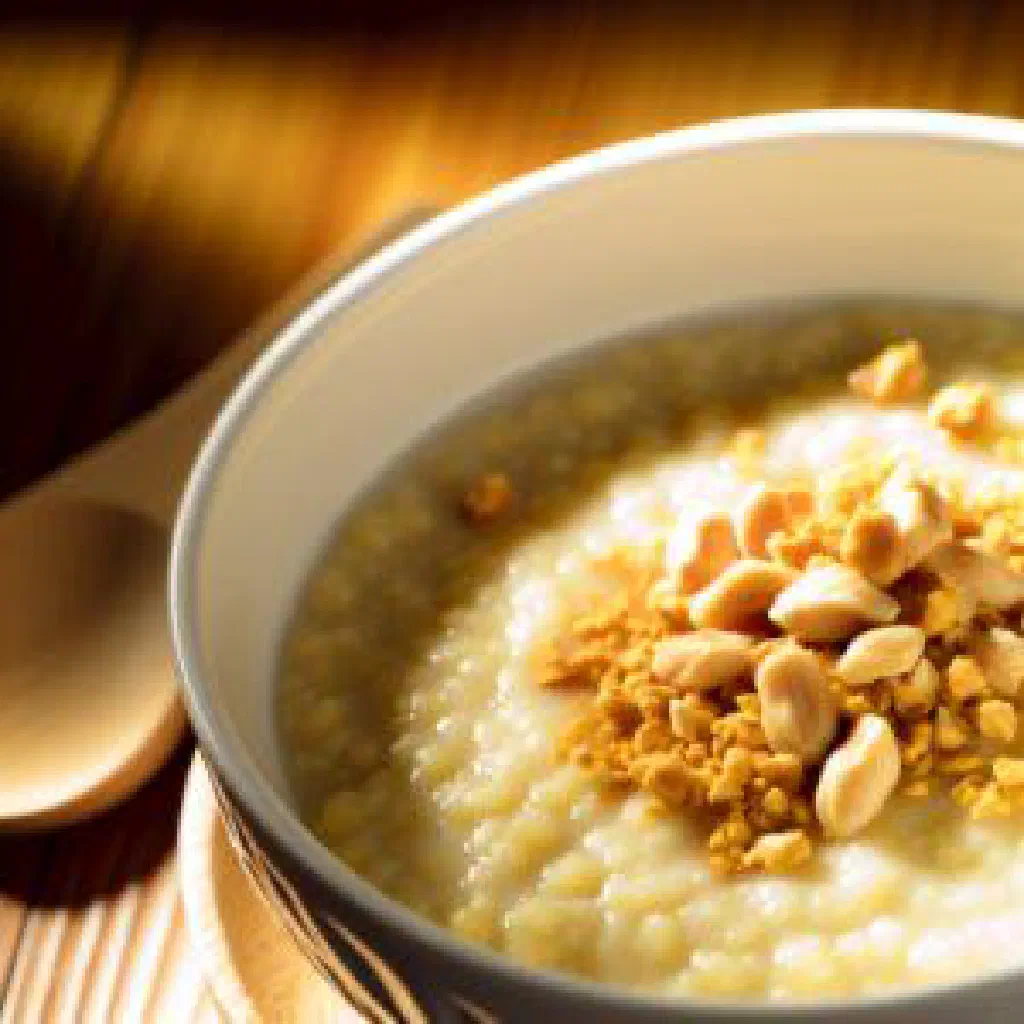
Discover Nguvumuli, a warming Ugandan classic that turns a handful of humble pantry staples into something genuinely memorable. Smooth maize meal is simmered until thick and creamy, then enriched with nutty peanut butter, sweet onions and fresh tomatoes. It is the kind of food that draws people to the table and keeps them there, comforting, filling and full of the earthy flavours that define home cooking across Uganda.
About Nguvumuli
Nguvumuli is a traditional dish from Uganda, known for its distinctive flavours and its cultural significance. It reflects the variety of Ugandan cuisine and often takes centre stage at festive occasions. The main ingredients come from the region itself and are usually fresh and locally sourced. Several different cooking techniques come together in the preparation, and it is precisely this care that gives the dish its especially good flavour.
Ingredients (serves 1–2)
- 200 g maize meal
- 300 ml water
- 1 teaspoon salt
- 2–3 tablespoons peanut butter or groundnuts
- 1 small onion, finely chopped
- 1–2 tomatoes, finely diced
- Fresh herbs (coriander or parsley, for example)
Shopping for the ingredients
The ingredients for nguvumuli are available in most African or Asian grocery shops. Look out for fresh, good-quality produce to get the very best flavour. The herbs and the groundnuts matter most of all, as they give the dish its aromatic character. If you cannot find fresh ingredients, dried or frozen alternatives will do the job perfectly well.
Preparing the dish
Making nguvumuli calls for a few preparatory steps that help the cooking run smoothly. Begin by chopping the onions and dicing the tomatoes. Have these ready to hand, as they play a central role once the pan is on the heat. Make sure your water is measured out for the maize meal base too, so you can adjust the consistency exactly as you like it.
Step-by-step instructions
- Bring the water to the boil in a pan and add the salt.
- Slowly stir in the maize meal until you have a smooth, lump-free mixture.
- Reduce the heat and keep stirring over a low flame until the mixture thickens.
- Add the peanut butter along with the prepared onions and tomatoes.
- Mix everything thoroughly and let it simmer for a few minutes.
- Garnish with fresh herbs and serve warm.
Gluten-free / lactose-free version
Nguvumuli is easy to make gluten-free and lactose-free. Simply use certified gluten-free maize meal. Check that the remaining ingredients, such as the peanut butter and the herbs, contain no hidden gluten or lactose. The groundnuts themselves are entirely natural and generally free of problem ingredients.
Tips for vegans and vegetarians
Nguvumuli is naturally vegan as long as you add no animal products such as milk or cream. Use plant-based peanut butter, or even a nut cream, to achieve the richness the dish needs. You can also stir in other plant proteins such as lentils or beans to boost the nutritional value, much as you would in a hearty Pasted Beans. With these tweaks the dish stays both healthy and thoroughly satisfying for anyone following a plant-based diet.
More tips and tricks
A few tricks will help you perfect your nguvumuli. Experiment with different herbs and spices to create flavour combinations of your own. You can also adjust the texture by adding a little more or a little less water. If you want a heartier version, fold through some fried vegetables or an extra egg. It makes the dish considerably more filling.
Adapting the recipe to your taste
One of the great strengths of nguvumuli is how flexible the recipe is. Change the proportions of the ingredients to suit your own palate. The heat in particular is easy to dial up: add chilli flakes or fresh chillies as you see fit. You can also leave out the groundnuts altogether if you have an allergy, using other nuts or seeds instead to achieve a similar texture and aroma.
Ingredient substitutions
If you do not have every ingredient to hand, there are plenty of workable alternatives. Instead of peanut butter, try almond or cashew butter for a different flavour profile, though the classic groundnut version stays closest to a traditional Groundnut Stew. The maize meal can be replaced with rice or oat flour if you prefer. Just keep an eye on the consistency of the porridge, as different flours behave in quite different ways.
Drink pairing ideas
Nguvumuli goes beautifully with traditional Ugandan drinks such as malwa, a maize-based beer that echoes the flavours of the dish. Alternatively, serve fresh fruit juices such as pineapple or mango for a refreshing contrast. Cold water with a squeeze of lemon is another excellent choice and helps bring the flavours of the dish into sharper focus. Aim for drinks that balance the robust, nutty character of the nguvumuli.
Serving and presentation ideas
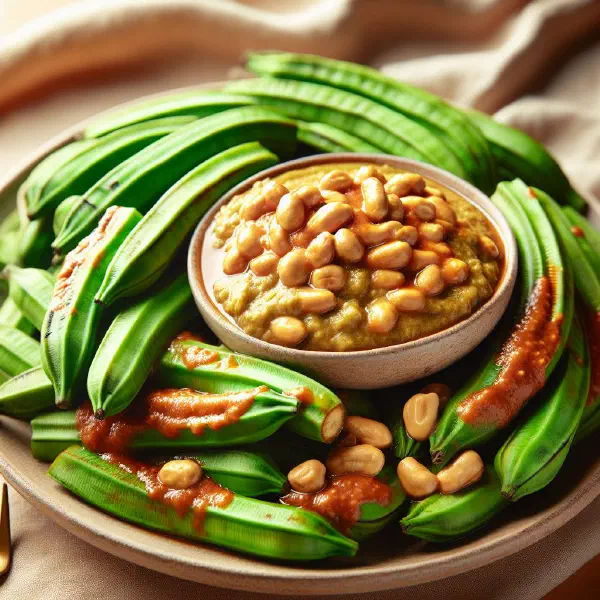
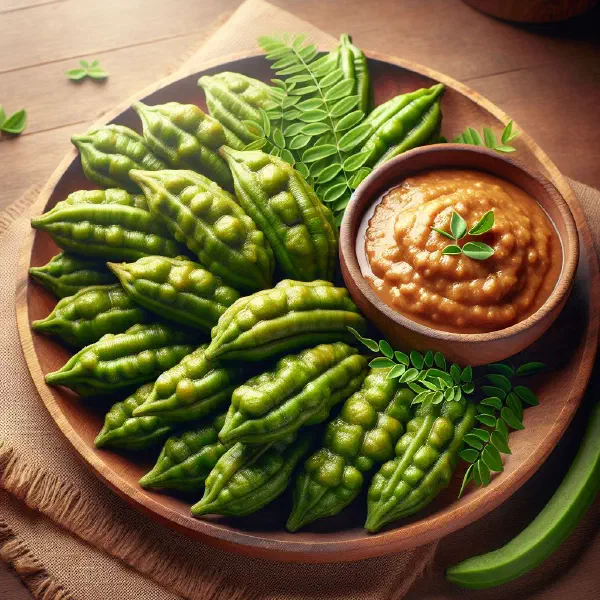
Presentation can add a great deal to the nguvumuli experience. Serve the dish in a handsome wooden bowl or on a large platter, garnished with fresh herbs and sliced tomatoes. A scattering of roasted groundnuts on top adds a welcome crunch. Use bright colours and natural materials to build an inviting table that reflects the warmth of Ugandan hospitality, the same spirit you find around a shared plate of Matooke.
A bit of history
Nguvumuli has its roots in traditional Ugandan cooking and is closely associated with home and heritage. The ingredients and methods vary from region to region, but the essentials stay the same. The dish is traditionally served at celebrations and social gatherings, where it strengthens the sense of community. Cooking and sharing nguvumuli is a fine way into the rich world of Ugandan cuisine and the meaning this dish holds for the people who make it.
More recipe ideas
Summary: Nguvumuli
Nguvumuli is a splendid example of Ugandan cooking, offering a range of flavours that mirror everyday life across the country. With simple, fresh ingredients it comes together easily and can be adapted entirely to your own preferences. Whether for a festive occasion or a straightforward supper at home, nguvumuli brings a sense of community and tradition to the table. Give this delicious dish a try and discover the bright flavours of Uganda for yourself.