National Dish Uganda: Posho with Beans (Recipe)
In this article
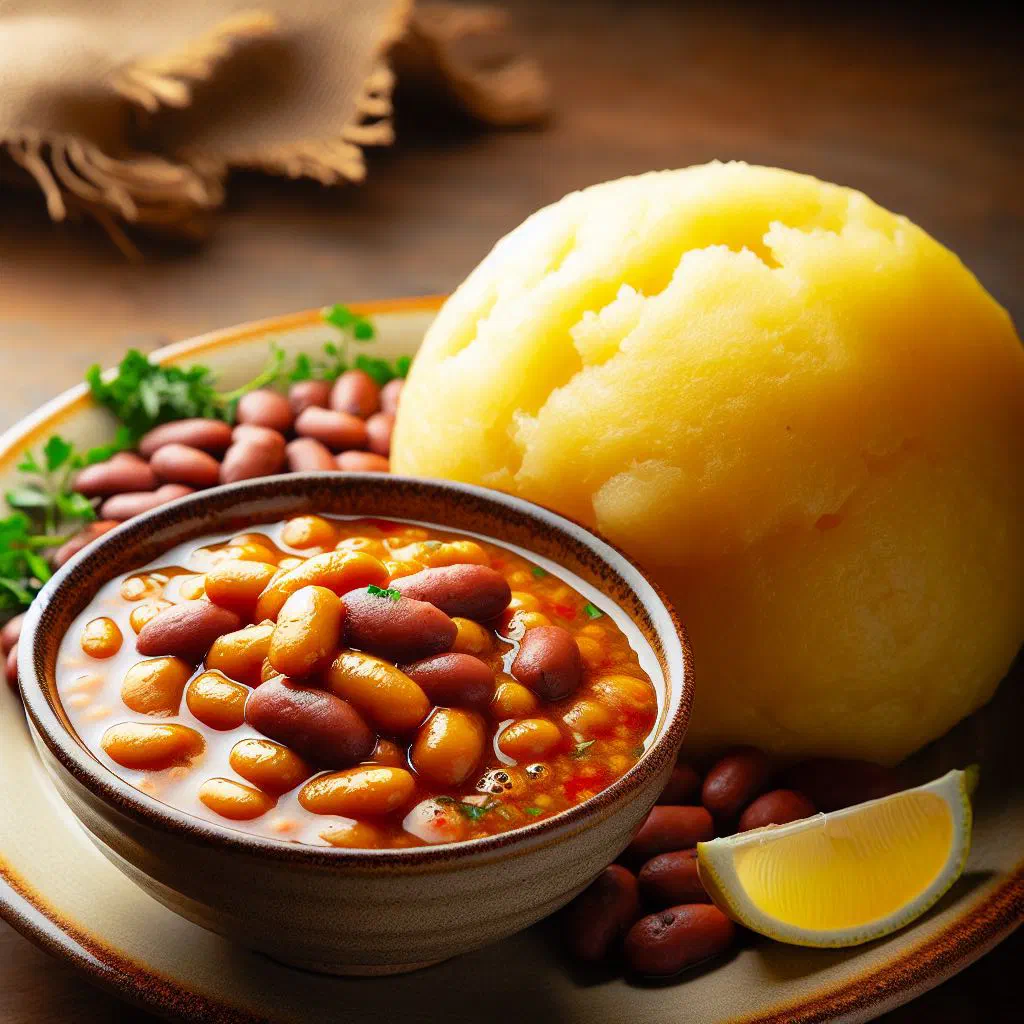
Discover Posho with Beans, the everyday staple that sits at the heart of Ugandan home cooking. Smooth maize flour porridge is spooned alongside soft, protein-rich beans to make a plate that is filling, wholesome and remarkably cheap to put together. It takes barely half an hour and just a handful of storecupboard ingredients, yet the result tastes of East African family kitchens. Simple food, done properly, and endlessly satisfying.
About Posho with Beans
Posho, also known as ugali or sadza, is a staple across much of Africa. It is made from maize flour and cooked to a wonderfully smooth, creamy consistency. Paired with beans, which are rich in protein, it becomes a complete meal in its own right. Preparing posho with beans is not only straightforward but quick, and it gives you a genuine taste of Ugandan cooking without any special equipment.
Ingredients (serves 1–2)
- 1 cup maize flour
- 2 cups water
- 1 cup cooked beans (black beans or kidney beans, for example)
- Salt to taste
- Pepper to taste
- 1 tablespoon oil (optional)
Shopping for the ingredients
When shopping for posho with beans, look for fresh, good-quality produce. Try to choose locally milled maize flour, as it is often freshly ground and noticeably better in flavour. For the beans you can use either dried or pre-cooked varieties, though pre-cooked ones will speed the process up considerably. Gather everything in advance so the cooking runs smoothly from start to finish.
Preparing the dish
Preparing posho with beans takes only a few quick steps. Begin by rinsing the beans well if you are using pre-cooked ones. The maize flour can be prepared ahead too, by whisking it with cold water in a bowl to prevent lumps forming. The most useful bit of groundwork is simply having every ingredient within reach before you start, which makes the cooking far easier.
Step-by-step instructions
- Bring 2 cups of water to the boil in a saucepan.
- Add a pinch of salt.
- Mix the maize flour with a cup of cold water until you have a smooth, lump-free paste.
- Pour the maize mixture slowly into the boiling water, stirring constantly.
- Cook, stirring continuously, until the mixture becomes thick and creamy.
- Add the cooked beans and stir well to combine.
- Serve warm, with a drizzle of oil over the top if you like.
Gluten-free / lactose-free version
Posho with beans is naturally gluten-free, since it is made with maize flour. That makes it an excellent choice for anyone with a gluten intolerance or coeliac disease. It is lactose-free too, as no dairy products are involved. If you want to add extra ingredients, just check that these are also gluten- and lactose-free so the dish stays suitable for everyone at the table.
Tips for vegans and vegetarians
Posho with beans is naturally vegan and vegetarian, which makes it a brilliant fit for a wide range of diets. To deepen the flavour, cook the beans in vegetable stock or stir in fresh herbs such as coriander or thyme. You can also serve a variety of vegetables alongside to make the meal even more nourishing, a spoonful of Nakati Sauce works beautifully here. Do check that every spice and ingredient you use fits your plant-based diet.
More tips and tricks
The key to good posho is to stir slowly and steadily so that no lumps can form. Use a sturdy wooden spoon to work the maize flour evenly through the water. If you prefer a softer, creamier texture, simply add a little more water as you go. Play around with the seasoning to suit your own palate, and do not be afraid to introduce new flavours.
Adapting the recipe to your taste
When making posho with beans, you have plenty of freedom to adjust the recipe. Add spices such as paprika or cumin, for instance, to give the dish more depth. The beans can vary too. Try different varieties to discover new flavours. Another easy adaptation is to fold fried vegetables through the mixture, which boosts both the nutrition and the colour of the finished plate.
Ingredient substitutions
For anyone who does not care for beans, or cannot tolerate them, alternative protein sources such as lentils or quinoa work well. You could also use coconut milk in place of water to create a richer, more aromatic version of the posho. Cooking with flavoured stocks instead of plain water produces interesting variations too, much as it does in a Groundnut Stew.
Drink pairing ideas
Several drinks go well with posho with beans and round out the eating experience. A refreshing fruit juice, such as mango or pineapple, complements the savoury meal beautifully. A simple tea, ginger or herbal, is another good companion. If you fancy something alcoholic, a light beer or a craft ale picks up the earthy notes of the beans and the maize nicely.
Serving and presentation ideas
Presenting posho with beans can be simple yet appealing. Serve it in one large bowl to celebrate it as a family dish meant for sharing. Garnish with fresh herbs such as parsley or basil for a welcome touch of colour. Alternatively, plate the posho in neat individual portions with a bright salad alongside to create an attractive overall spread.
A bit of history
The roots of posho run deep in Ugandan cooking, where it has long been valued as a vital source of energy. Many African cultures build their meals around maize, and posho is Uganda’s own inventive answer to what to do with this dry grain. Beans are the perfect partner, being rich in protein and fibre and keeping hunger at bay for hours. The combination is a symbol of the sociable spirit of Ugandan cuisine, where meals are so often eaten in company.
More recipe ideas
Summary: Posho with Beans
This recipe for posho with beans shows off the simplicity and variety of Ugandan cooking. With only a few ingredients you can put together a filling, nourishing meal that is as good for you as it is tasty. The dish reflects Uganda’s traditions and the art of preparing healthy food creatively and without fuss. Give it a go and let the flavours of Africa win you over.