National Dish Uganda: Ugandan Banana Wine (Recipe)
In this article
Discover Ugandan Banana Wine, a traditional drink that carries the warmth of East Africa in every sip. Made from nothing more than ripe bananas, water and a little sugar, it rewards a bit of patience with a golden, fruity brew that is as at home at a village celebration as it is at a relaxed evening with friends. Here is everything you need to know about the ingredients, the brewing process and the culture behind this remarkable drink.
About Ugandan Banana Wine
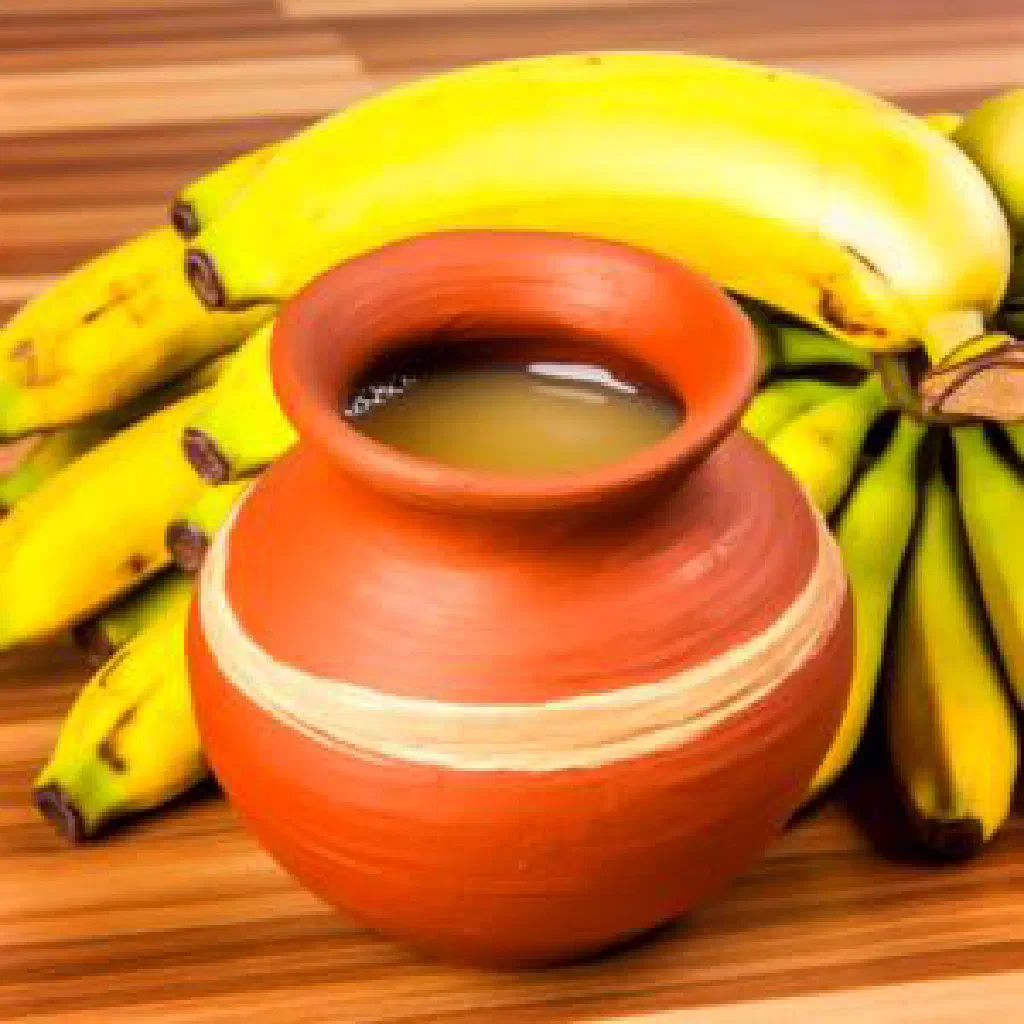
Ugandan Banana Wine, also known as Malwa, is a fascinating drink steeped in tradition and culture. It is usually made from very ripe bananas and counts as one of Uganda’s signature specialities. The process does call for a measure of patience, but the end result is a fruity pleasure that enchants the senses. Whether for festive occasions or sociable evenings, Ugandan Banana Wine brings the taste of Africa straight into your own home.
Ingredients (serves 1–2)
- 6 ripe bananas
- 1 litre water
- 100 g sugar
- 1/2 cup yeast (optional)
Shopping for the ingredients
To enjoy the authentic experience of Ugandan Banana Wine, it is important to source the right ingredients. Ripe, sweet bananas are the key to a full, rounded flavour. A local market is your best bet for fresh fruit, as market bananas are often more flavourful than supermarket ones. Make sure the water you use is clean and drinkable as well, since it has a direct influence on the taste of the finished wine.
Preparing the dish
Getting ready to make Ugandan Banana Wine is straightforward, though it does involve a few steps if you want the best possible result. First, peel and mash the bananas to release their natural sweetness. At this point you can decide whether to add yeast to speed up the fermentation. Mixing the ingredients in the right order matters, as it determines the ideal consistency and flavour of the wine.
Step-by-step instructions
- Peel the ripe bananas and mash them to a purée in a bowl.
- Add the water and sugar to the banana purée and mix thoroughly.
- If you are using yeast, stir it in at this stage and mix again.
- Transfer the mixture to a large container or jar and cover it with a cloth.
- Leave the container in a warm place so fermentation can begin (roughly 5 to 14 days).
- Check the taste and clarity regularly, and once the wine has reached the strength you want, pour it into bottles.
Gluten-free / lactose-free version
Ugandan Banana Wine is naturally gluten-free and lactose-free, which makes it an excellent choice for anyone with those intolerances. No special adjustments to the ingredients are needed, because every main component is free of gluten and lactose to begin with. That makes it easy to enjoy this delicious drink without having to scrutinise the label.
Tips for vegans and vegetarians
Ugandan Banana Wine is vegan and vegetarian by nature, since it contains only plant-based ingredients. Do check, though, that every product and piece of equipment you use is vegan too, particularly if you reach for a speciality sugar. Some refined sugars are processed using animal-derived products, so unrefined cane sugar is the safer option. It is also worth looking into alternative sweeteners suited to a plant-based diet.
More tips and tricks
A few tips will help you get the best out of your Ugandan Banana Wine. Mash the bananas really thoroughly so that fermentation gets off to a strong start. An airtight container helps keep unwanted bacteria at bay. Experiment with different banana varieties, the same fruit that gives Matooke its character behaves quite differently once fermented. Patience plays a big part here, and the wait almost always pays off.
Adapting the recipe to your taste
If you would like to tailor Ugandan Banana Wine to your own palate, try adding other fruits to create new flavour profiles. Mango, pineapple or even berries make interesting additions that lend the wine an extra fruity note. The sweetness can be dialled up or down simply by adjusting the amount of sugar. Bear in mind that every change will subtly alter the fermentation process too.
Ingredient substitutions
There are several useful alternatives to the traditional ingredients. Instead of sugar you can use honey or another sweetener to control the sweetness, which gives the finished wine a distinctive character of its own. If you would rather not use yeast at all, simply support natural fermentation with a longer resting time. Playing with different quantities of sugar or different fruits can produce some genuinely exciting variations.
Drink pairing ideas
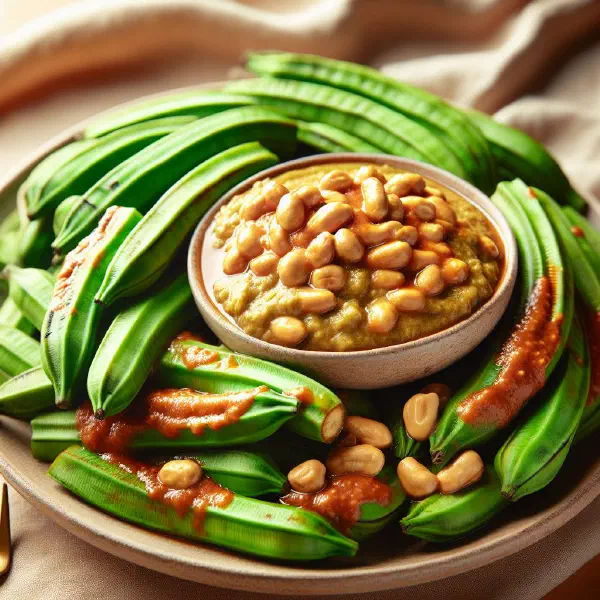
Ugandan Banana Wine tastes wonderful alongside a wide range of dishes. Spicy and strongly seasoned food often harmonises surprisingly well with the sweetness of banana wine, a peanut-rich plate such as Groundnut Stew is a fine match. It also works beautifully as an aperitif or at summer gatherings. Serve it well chilled, perhaps garnished with fresh herbs or citrus, to lift the drink further.
Serving and presentation ideas
For an attractive presentation, serve Ugandan Banana Wine in decorative glasses or a handsome carafe to add a touch of elegance. A few slices of lemon or a sprig of mint make it far more inviting to look at. Serving it with tropical fruit as a garnish, or with sweet fried snacks such as Kabalagala, rounds out the experience. Complement the setting with the right decoration and lighting to reflect the spirit of Ugandan hospitality.
A bit of history
Ugandan Banana Wine has a long history rooted deep in Ugandan culture. Traditionally the drink was served at celebrations and special occasions, and it remains a symbol of hospitality. In many villages it is still brewed at home, which makes it an important part of social life, often shared alongside staples like Chapati. The art of making wine from bananas is passed down from generation to generation and forms a genuine part of the country’s identity within Ugandan cuisine.
More recipe ideas
Summary: Ugandan Banana Wine
Ugandan Banana Wine is a singular drink that carries the riches of Ugandan tradition within it. With just a handful of simple ingredients you can produce something delicious and refreshing that suits both special occasions and easy-going get-togethers. The sheer range of possible adjustments and flavours means there is always room for a personal touch. Give Ugandan Banana Wine a try and let its quiet magic win you over.