National Dish Uganda: Vegetable Curry (Recipe)
In this article
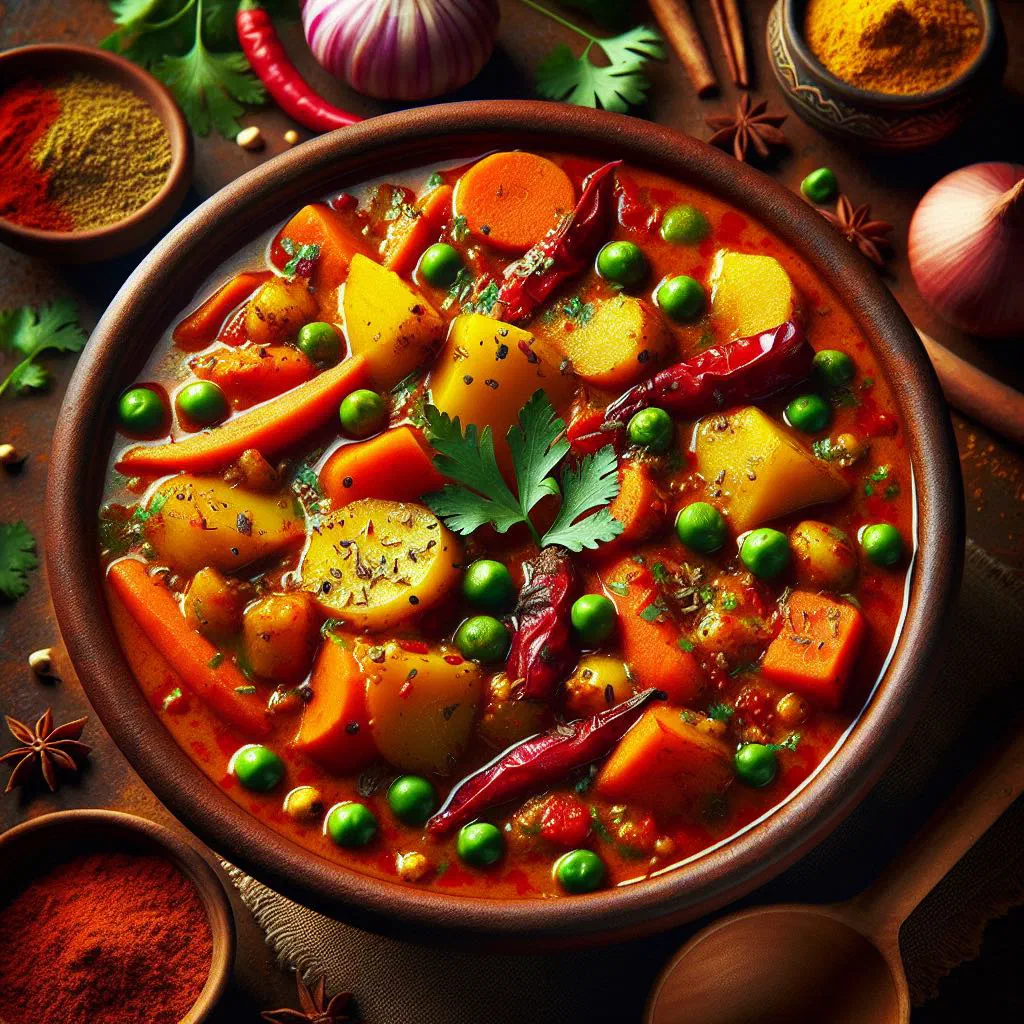
Discover Vegetable Curry, a bright and generous dish that shows off just how much Uganda’s markets have to offer. Carrots, peppers, courgette and green beans simmer gently in coconut milk until the whole pot turns fragrant and golden, lifted by warm curry powder, garlic and ginger. It is nourishing, endlessly adaptable and comes together in well under an hour, the kind of everyday cooking that still feels like a small celebration.
About Vegetable Curry
Vegetable Curry is a popular dish in Uganda and an excellent choice for anyone who wants to eat well and healthily. The combination of fresh, locally grown produce and warm, exotic spices makes it a real pleasure to eat. Because Uganda is rich in an extraordinary range of vegetables, you can pick and adapt the components as you like. Every ingredient brings a piece of Ugandan culture to the table, along with all the sustainable benefits of shopping locally, much the same spirit that runs through a hearty Katogo.
Ingredients (serves 1–2)
- 1 small onion, chopped
- 2 cloves of garlic, finely chopped
- 1 piece of ginger, grated
- 1 large carrot, diced
- 1 pepper, diced
- 1 courgette, diced
- 200 g green beans, trimmed
- 400 ml coconut milk
- 2 tablespoons curry powder
- 2 tablespoons vegetable oil
- Salt and pepper to taste
- Fresh coriander leaves, to garnish
Shopping for the ingredients
For a good vegetable curry it matters that you buy the right ingredients in good condition. Local markets are usually the best place to find fresh vegetables at their peak. Look out for seasonal offers, which are cheaper and taste far better. When buying spices, check that they are fresh, since only then will the curry powder give the dish its full aroma.
Preparing the dish
Before you start cooking, it pays to prepare everything properly. Wash the vegetables thoroughly and cut them into the sizes you want. This makes sure that all the ingredients cook evenly and that the finished curry looks as good as it tastes. Have your spices measured out and within reach as well, so you can grab them quickly once the pan is hot.
Step-by-step instructions
- Heat the oil in a large pan over a medium heat.
- Add the onion, garlic and ginger and sauté until softened.
- Add the vegetables (carrot, pepper, courgette and green beans) and fry everything for about 5 minutes.
- Scatter the curry powder over the vegetables and stir well.
- Pour in the coconut milk and bring the mixture to the boil.
- Reduce the heat and let the curry simmer for 15 minutes, until the vegetables are tender.
- Season with salt and pepper and garnish with fresh coriander leaves.
Gluten-free / lactose-free version
Vegetable curry is naturally both gluten-free and lactose-free, since none of the main ingredients contains gluten or dairy. Using coconut milk makes the dish especially creamy and rich without a drop of cream. Do check, though, that any spices and additions you use are also free from gluten. If you want to be certain the dish stays entirely free of allergens, read the labels on the products you cook with.
Tips for vegans and vegetarians
Vegetable curry is perfectly suited to vegan and vegetarian cooking, because it contains nothing but plant-based ingredients. To broaden the flavour, add tofu or chickpeas, both of which are good sources of protein. Experiment with different vegetables and spices to make the dish more interesting still, a little turmeric or cumin, for instance, opens up further layers of flavour.
More tips and tricks
To make vegetable curry even more moreish, use toasted nuts or seeds as a topping. They give the dish extra crunch and extra nutrients. Another easy way to lift the flavour is to add fresh chilli for heat. Be creative and adjust the spicing to your own taste, the same freedom you have when making a Sweet Potato Curry.
Adapting the recipe to your taste
The beauty of vegetable curry lies in how flexible it is. You can adapt the recipe entirely to your own preferences by using different vegetables or varying the spices. If there are vegetables you do not care for, simply swap them out for other favourites. The heat can be dialled up or down as you please, too. Just increase or reduce the amount of curry powder or fresh chilli.
Ingredient substitutions
If you do not have every ingredient to hand, there are plenty of alternatives to fall back on. Instead of coconut milk you might try plant-based cream or almond milk to achieve a creamy consistency. Most standard curry blends sold in the shops work well as a substitute for a specific spice mix. The vegetables can vary with the season and with whatever is available, being creative is the key here, just as it is in a Yam and Bean Curry.
Drink pairing ideas
Plenty of drinks go beautifully with a good vegetable curry. A fresh, fruity mango juice makes a perfect partner and underlines the flavours of the dish wonderfully. A lightly chilled rosé or a light beer also work well. For an alcohol-free option, a spicy ginger lemonade is a tasty choice.
Serving and presentation ideas
Presentation matters a great deal to the whole vegetable curry experience. Serve the curry in small bowls and garnish it with fresh coriander leaves and toasted nuts. Offer basmati rice or quinoa alongside, arranged in a separate dish, or a warm Chapati for scooping. The combination of colours and textures will pleasure your guests and make the dish look even more appetising.
A bit of history
Vegetable curry is more than an ordinary meal. It reflects the rich culture of Uganda. Historically, Ugandan cuisine has drawn on influences from several directions, including Indian, Arab and indigenous traditions. That mingling of flavours has produced a distinctive culinary heritage found in many households today. A good curry often tells the stories and traditions of the country’s different regions.
More recipe ideas
Summary: Vegetable Curry
Vegetable curry is a hearty, nourishing option that turns the flavours of Uganda into a genuinely absorbing experience. Simple to make and built on fresh ingredients, it is ideal for healthy eating and for creative evenings at the stove. The dish adapts easily and leaves plenty of room for personal preference. Enjoy this delicious combination and immerse yourself in the variety of Ugandan cooking.