National Dish Uganda: Vegetable Pilau (Recipe)
In this article
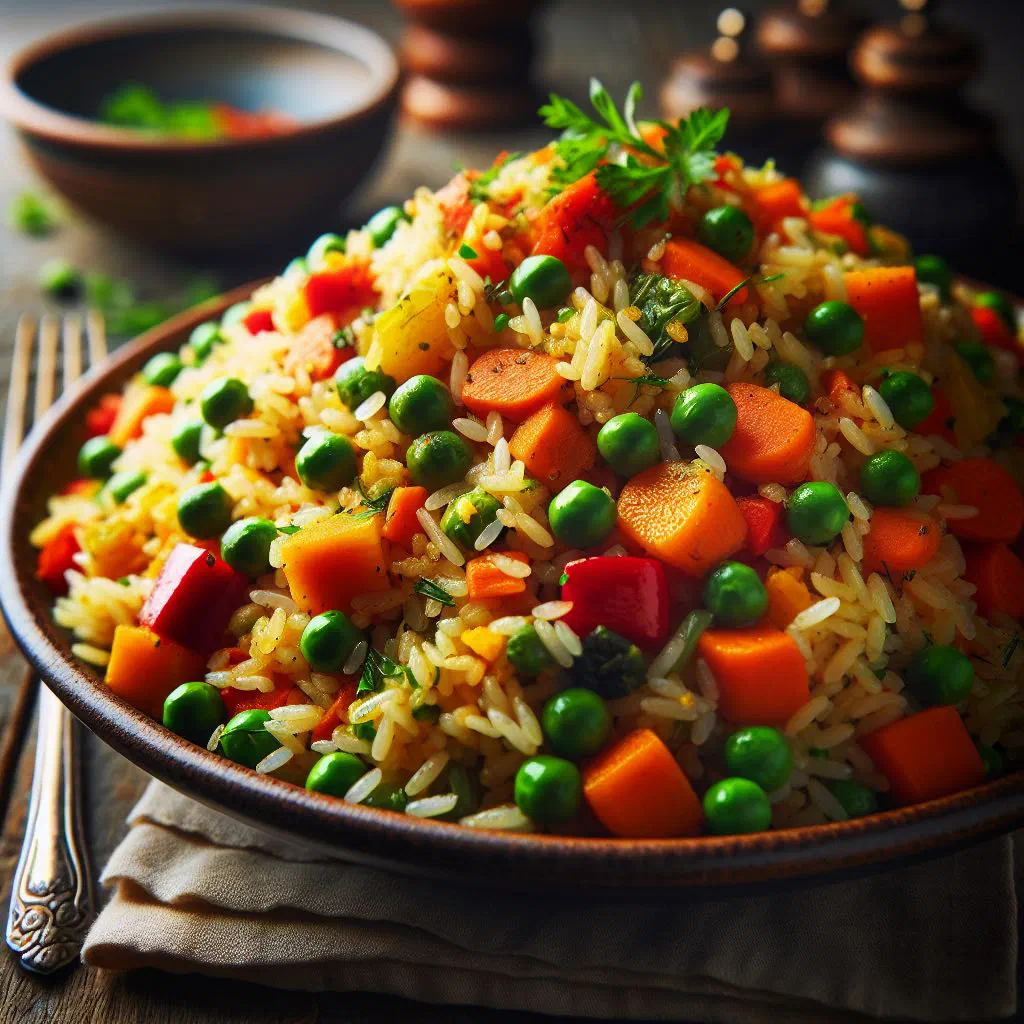
Discover Vegetable Pilau, one of Uganda’s most inviting rice dishes. Fragrant basmati is simmered with fresh vegetables and a warm blend of spices until every grain carries colour and aroma. It is generous, easy-going food that works equally well as a main course or as a side at a bigger spread. Bring a little of Uganda’s flair to your own kitchen and enjoy East African cooking at its most welcoming.
About Vegetable Pilau
Vegetable Pilau is a traditional Ugandan dish that shows off the flavour and character of East African cooking beautifully. It is an aromatic rice dish that brings together fresh vegetables and a varied selection of warm spices. This combination creates a distinctive taste experience that can be served either as a main course or as a side dish. It is the ideal thing to cook when you want to please family and friends over a sociable meal.
Ingredients (serves 1–2)
- 200 g basmati rice
- 1 large onion, diced
- 2 garlic cloves, finely chopped
- 1 carrot, cut into small dice
- 1 pepper, diced
- 100 g green peas
- 2 tablespoons vegetable oil
- 1 teaspoon cumin
- 1 teaspoon turmeric
- 1 teaspoon garam masala
- 500 ml vegetable stock
- Salt and pepper to taste
Shopping for the ingredients
When shopping for the ingredients for vegetable pilau, it is worth choosing fresh, good-quality produce. Visit a local market to find vegetables that give the dish both its colour and its depth of flavour. The spices are decisive for the aroma, so make sure you use fresh spices wherever possible. These can usually be found in Asian or African grocery shops, or ordered online.
Preparing the dish
Preparing vegetable pilau is straightforward and simply asks that the ingredients are washed and cut well. Start by cutting the vegetables into evenly sized pieces so that everything cooks at the same rate. The rice should be rinsed thoroughly before cooking to remove excess starch. This is what keeps the grains light and separate rather than sticky once cooked.
Step-by-step instructions
- Heat the vegetable oil in a large pan and add the diced onion. Fry until golden brown.
- Add the garlic and the diced carrot and fry for around 2 minutes.
- Now add the pepper and the green peas, stirring everything together well.
- Add the spices — cumin, turmeric and garam masala — and stir thoroughly so the vegetables are evenly seasoned.
- Add the rinsed rice and stir again so the spices are well distributed.
- Pour in the vegetable stock and bring to the boil. Reduce the heat, cover and simmer for 15–20 minutes.
- Once cooked, turn off the heat and let the rice rest for a few minutes. Fluff with a fork and serve.
Gluten-free / lactose-free version
Vegetable pilau is naturally gluten-free and is just as easily made lactose-free. Simply take care to use products that contain no hidden gluten or dairy, particularly in stock cubes and ready-made spice blends. The dish adapts to special dietary needs without any trouble, so anyone with a gluten intolerance or lactose intolerance can enjoy it too. That makes vegetable pilau a versatile option for any table.
Tips for vegans and vegetarians
Vegans and vegetarians are very well served by vegetable pilau. The dish is ideal for combining plenty of nutrients from fresh vegetables with wholesome grains. Use seasonal produce wherever you can to maximise the flavour and tread more lightly on the environment. Protein-rich additions such as chickpeas or lentils can also be stirred in to make the dish even more nourishing, much as they do in a Yam and Bean Curry.
More tips and tricks
To intensify the aroma of vegetable pilau, try using a combination of fresh and dried herbs. The dish should also be allowed to rest for a few minutes before serving so the flavours can settle and develop. When plating up, scatter over a little fresh coriander or some spring onions for a lovely contrast. Experiment with the spices and adjust the quantities to your own taste.
Adapting the recipe to your taste
Vegetable pilau is an extremely flexible recipe that is easily adapted to personal preferences. Add your favourite vegetables, or leave out anything you are less keen on. The spices are just as changeable, anyone who likes more heat can add chilli or other fiery seasonings. Many cooks enjoy a mixture of different rice varieties, such as jasmine or wholegrain rice, to create new textures and aromas.
Ingredient substitutions
Plenty of alternatives work well in vegetable pilau. Quinoa, for example, makes an excellent gluten-free stand-in for rice and raises the nutritional value of the dish. The choice of vegetables is just as variable: broccoli, courgette or aubergine all make delicious additions, and the last of these features in a hearty Eggplant Stew. Among the spices, turmeric can be swapped for curry powder to take the flavour in a different direction.
Drink pairing ideas
Refreshing drinks go wonderfully with a spiced dish like vegetable pilau. A cool soda or a fresh fruit juice balances the warmth of the spices nicely. For adults, a light beer or a fruity wine works well. Even a simple glass of still water with a squeeze of lemon makes a refreshing accompaniment that rounds off the meal.
Serving and presentation ideas
To present vegetable pilau attractively, arrange it in a large, decorative bowl. Garnished with fresh herbs or toasted nuts, it gains an extra visual lift. Serve it alongside several small bowls of accompaniments such as yoghurt, a hot sauce or a spoonful of Ugandan Peanut Sauce. This creates an inviting, sociable atmosphere that encourages guests to try different combinations.
A bit of history
Vegetable pilau has its roots in the diverse food culture of Uganda, shaped by many different ethnic groups as well as by centuries of trade along the East African coast. The dish reflects the long tradition of combining rice with vegetables and spices to create tasty, nourishing meals. Pilau is not only an everyday staple but is also served at special occasions and celebrations, making it a symbol of Ugandan hospitality. It is a delicious way to experience the culture and traditions of Ugandan cuisine through food.
More recipe ideas
Summary: Vegetable Pilau
In short, vegetable pilau is a delicious and adaptable dish that is simple to prepare and endlessly open to variation. The combination of fresh vegetables and aromatic spices delivers a genuine taste experience. It brings the colourful flair of Uganda straight to your table. Let its variety inspire you and bring a portion of East African culture into your kitchen.