National Dish Ukraine: Banosh (Recipe)

In this article
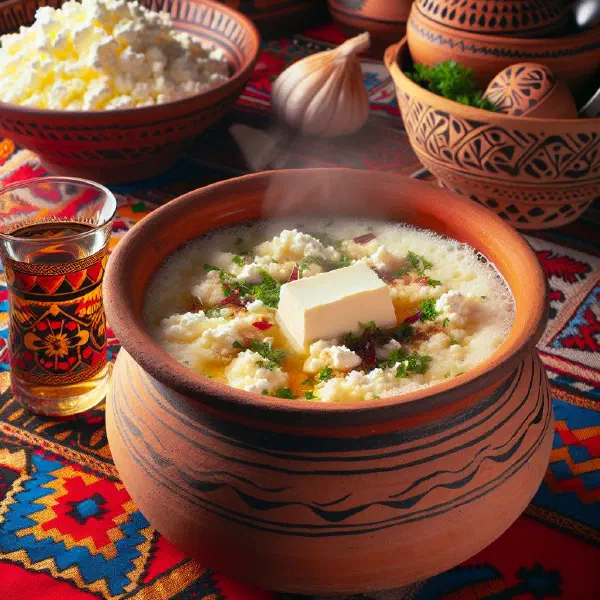
Discover Banosh, a soul-warming classic from the highlands of Ukraine. This creamy cornmeal porridge is stirred slowly with luxurious crème fraîche until it turns silky and rich, then crowned with crispy bacon or golden mushrooms. Born in the shepherd villages of the Carpathian mountains, it is honest, hearty fare that carries the warmth of Ukrainian hospitality straight to your table. One spoonful and you will understand why it has fed generations of highlanders.
About Banosh
Banosh is a traditional Ukrainian dish with its origins in the picturesque Carpathian mountains, the homeland of the Hutsul highlanders. It is made from cornmeal and generous amounts of luxurious crème fraîche, and it wins hearts with its creamy texture and savoury flavour. Banosh is far more than a meal. It is a symbol of Ukrainian culture and the warm hospitality of its people.
Ingredients (serves 1–2)
- 250 g cornmeal
- 500 ml water or stock
- 200 g crème fraîche
- 1 tsp salt
- 100 g smoked bacon or mushrooms
- Fresh herbs of your choice (e.g. dill or parsley)
Shopping for the ingredients
The ingredients for banosh are easy to find in most supermarkets or at local markets. When buying cornmeal, look for a high-quality product to achieve the best texture. Crème fraîche is essential for the creaminess of the dish, while for the bacon or mushrooms you should seek out the freshest produce available. Herbs can be used fresh or dried, though fresh herbs lift the dish to a whole new level. This kind of simple, honest sourcing is very much at the heart of Ukrainian cuisine.
Preparing the dish
Prepare all the ingredients by cutting the bacon into small pieces and cleaning and slicing the mushrooms. Make sure the cornmeal is free of lumps by sieving it through a fine mesh before use. If you are using fresh herbs, chop them roughly to give the dish a fresh aroma. These small preparations ensure the cooking process runs quickly and smoothly.
Step-by-step instructions
- Bring the water or stock to the boil in a large pan and add the salt.
- Pour in the cornmeal slowly, stirring constantly, to avoid any lumps forming.
- Reduce the heat and let the mixture simmer gently for about 10–15 minutes, until it thickens.
- Stir in the crème fraîche until it is fully combined and a creamy consistency is reached.
- In a separate pan, fry the diced bacon or the mushrooms until golden brown and crisp.
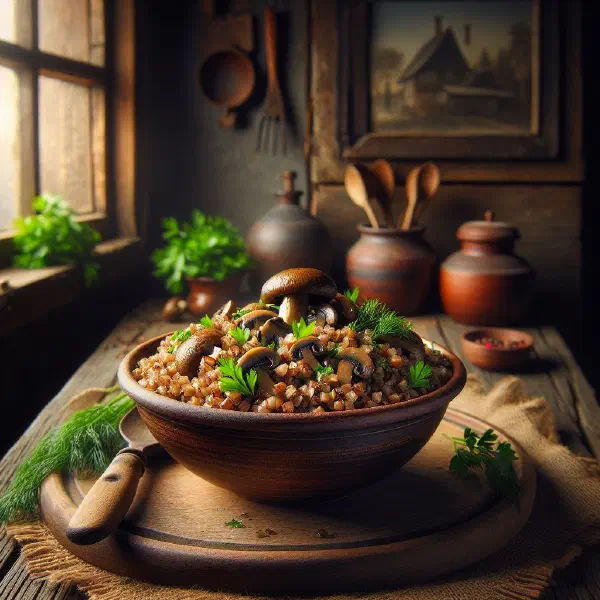
- Serve the banosh in bowls and garnish generously with the fried bacon or mushrooms and some fresh herbs.
Gluten-free / lactose-free version
For a gluten-free version, use certified gluten-free cornmeal. Likewise, the crème fraîche can be swapped for a plant-based yoghurt or a vegan cream alternative to make the dish lactose-free. These adjustments allow people with dietary restrictions to enjoy banosh too, without giving up on flavour or texture. Since the dish is already so nourishing, all the pleasure remains intact even with these alternatives.
Tips for vegans and vegetarians
For a vegetarian version of banosh, leave out the bacon entirely and use roasted vegetable dice or mushrooms instead to add extra flavour. Vegans can replace the crème fraîche with a plant-based alternative and switch to a vegetable-based stock as well. Chickpeas or lentils make a protein-rich addition that turns the dish into an even heartier meal. These tweaks make banosh delicious and wonderfully versatile, much like the meat-free take on Borschtsch.
More tips and tricks
To shorten the cooking time, you can use ready-made stock, which improves the flavour of the banosh enormously. For extra taste, add the herbs to the stock right at the start so their aromas can develop fully. A small pinch of nutmeg can lend the dish a cosy, comforting note. Experiment with different toppings to create your own favourite version of banosh.
Adapting the recipe to your taste
The flexibility of banosh lets you adapt the recipe to your personal preferences. Do you like it spicier? Add a pinch of chilli or pepper. For a sweeter variation, a touch of sugar and cinnamon can turn the dish into a special dessert after the main course. You can also experiment with different herbs such as thyme or oregano to create new flavours. These adjustments make banosh an individual experience every time.
Ingredient substitutions
If you do not have cornmeal to hand, you can also use polenta, which offers a similar texture and flavour. For the crème fraîche there are plenty of suitable plant-based alternatives. You can also replace the bacon with smoked aubergine to achieve a hearty, smoky note. Substitutions like these ensure that everyone has the chance to enjoy this delicious dish, in the same spirit as the potato-filled Varenyky.
Drink pairing ideas
A hearty dish like banosh goes beautifully with robust red wines or herb-forward beers that complement its savoury flavours. A light white wine could also make a refreshing partner, followed by an aromatic herbal tea as a non-alcoholic option. Water with lemon or mint brings a fresh element that suits the dish well. Choose a drink that appeals to you and your guests to round off the culinary experience.
Serving and presentation ideas
The presentation of banosh can be greatly improved by using attractive bowls or plates. Garnish the dish with freshly chopped herbs and a drizzle of olive oil for extra colour contrast. A little crème fraîche as a decorative touch on top, along with some crispy pieces of bacon or roasted mushrooms, makes the dish tasty and visually appealing. Small plates of side dishes can create a fun and sociable eating experience. Try it alongside potato pancakes such as Deruny.
A bit of history
Banosh has a long history and is a familiar part of Ukrainian cuisine. The dish has its roots in the rural cooking of the Carpathians, where the ingredients were simple and local. It was traditionally prepared by families together, reflecting the importance of community and tradition in Ukrainian culture. Banosh is more than just food; it also embodies the family bonds and warm hospitality for which Ukraine is known, a quality it shares with celebration dishes like Holodets.
More recipe ideas
Summary: Banosh
Banosh is a delicious Ukrainian dish that is simple to make and wins everyone over with its savoury flavour. With its many options for adaptation to suit the tastes of guests and friends, banosh is a feast and a culinary experience full of cultural meaning. Whether for a special celebration or simply as honest home cooking, banosh is sure to bring plenty of satisfied faces to the table. Let it inspire you, and enjoy the honest, nourishing dish that is banosh.