National Dish Ukraine: Kutya (Recipe)
In this article
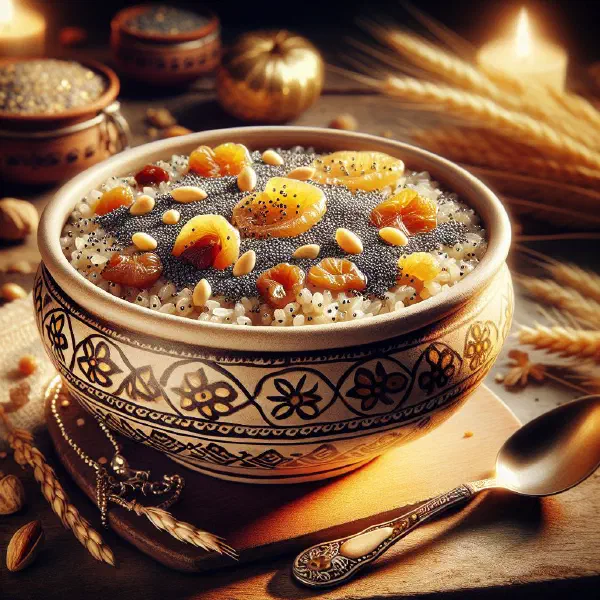
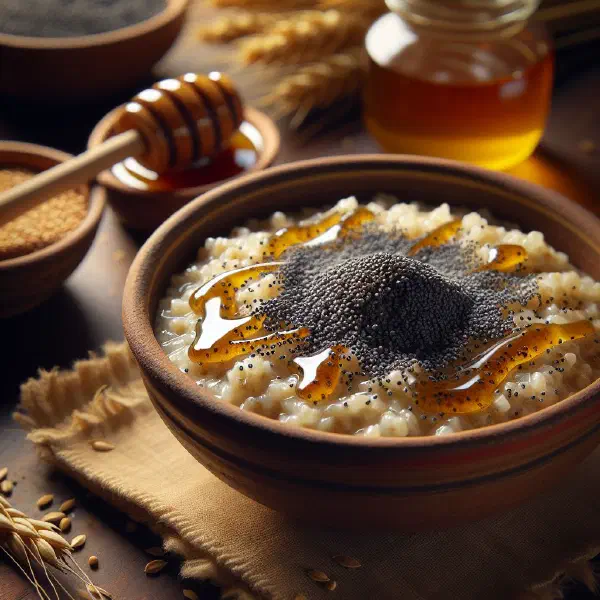
Meet Kutya, a treasured sweet grain dish that sits at the very heart of an Ukrainian Christmas. Wheat berries, ground poppy seeds, golden honey and plump dried fruit come together in a bowl that is at once nutty, sweet and deeply comforting. More than a pudding, it is a symbol of prosperity and remembrance, passed lovingly from one generation to the next. Bring a spoonful of Ukrainian tradition to your own festive table.
About Kutya
Kutya is far more than a simple dish. It is a cornerstone of Ukrainian culture and tradition. Prepared each year at Christmas, it symbolises prosperity and fertility, and it opens the beloved Holy Supper on Christmas Eve. Its main ingredients, wheat, poppy seeds, honey and dried fruit, blend into a harmonious mixture that is both sweet and nutty. In many Ukrainian households, kutya is woven together with special stories and memories, carried down through the generations as part of the festive ritual.
Ingredients (serves 1–2)
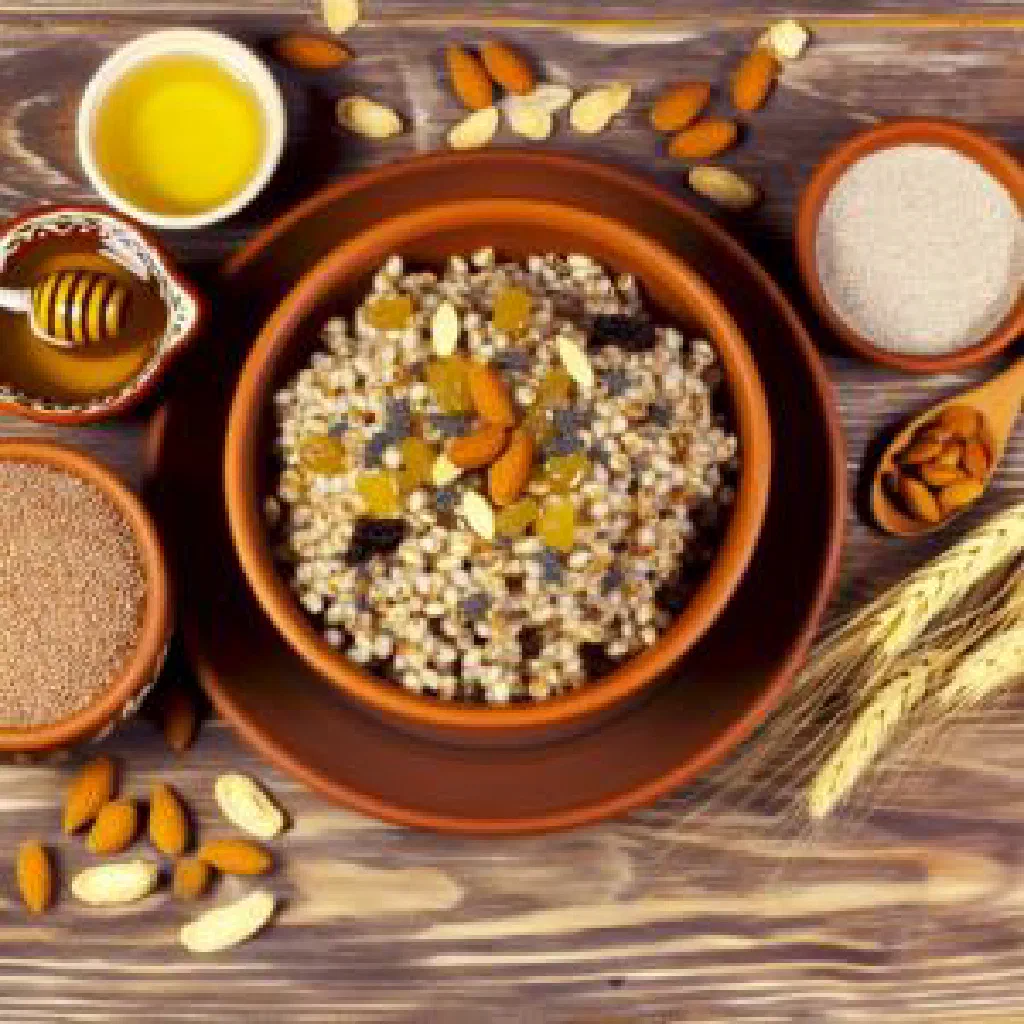
- 100 g wheat berries (preferably soft spelt)
- 2 tablespoons poppy seeds
- 3 tablespoons honey
- 50 g raisins or other dried fruit
- Water (for cooking the wheat)
- A pinch of salt
Shopping for the ingredients
To make kutya, it is worth gathering your ingredients from a well-stocked supermarket or a specialist grocery. Choose good-quality poppy seeds and fresh, juicy dried fruit, as these really intensify the flavours of the dish. Many of these ingredients are also available in health-food shops, giving you the chance to opt for organic quality. Careful selection of the ingredients makes a real difference to the depth of flavour in the finished kutya.
Preparing the dish
The preparation of kutya is quite straightforward but calls for a little patience. First, soak the wheat overnight in water so it turns softer and more flavourful. The next day, gently rinse the soaked wheat and cook it until it is completely tender. At the same time, you can lightly toast the poppy seeds in a dry pan to bring out their aroma, which adds an extra layer of flavour to the dish.
Step-by-step instructions
- Soak the wheat overnight in water.
- The next day, rinse the wheat thoroughly.
- Bring a pan of water to the boil and cook the wheat in it until soft.
- While the wheat cooks, toast the poppy seeds in a pan until fragrant.
- Once cooked, combine the wheat, honey, toasted poppy seeds and dried fruit in a bowl.
- Taste and, if needed, add more honey or a pinch of salt.
- Serve kutya warm or cold.
Gluten-free / lactose-free version
For a gluten-free version of kutya, you can swap the wheat for gluten-free grains such as quinoa or amaranth. These alternatives offer a similar texture and are just as nourishing. Make sure the honey you use comes from a certified gluten-free source. The dish is also naturally lactose-free, since all of the base ingredients contain no dairy at all.
Tips for vegans and vegetarians
Vegans can enjoy kutya easily, as all the main ingredients are already plant-based. Instead of honey, use agave syrup or another vegan sweetener to bring the sweetness. Just check that the dried fruit you choose contains no animal-derived additives. This way, kutya remains nourishing and wonderfully adaptable to a range of dietary needs.
More tips and tricks
Want to deepen the flavour of your kutya even further? Add a pinch of cinnamon or a little vanilla for extra warmth and complexity. For a crunchy texture, stir in chopped nuts such as walnuts or almonds. Adjust the consistency of the mixture to your liking, some prefer it drier, while others enjoy a juicier version. Experiment a little and you will soon find your own favourite way to make it.
Adapting the recipe to your taste
Another great thing about kutya is how adaptable it is. Vary the dried fruit to suit your palate, using apricots, figs or cranberries in place of the usual raisins. Depending on your preference, you can also use different kinds of poppy seed to diversify the aromas. This flexibility makes it easy to create a dish that pleases both family and guests around the festive table.
Ingredient substitutions
If you have no dried fruit to hand, fresh fruit such as apples or pears works beautifully instead. In place of honey, consider other sweet ingredients like date syrup or agave syrup, the same natural sweetness that lifts a fruity Uzvar. Just make sure the sweetness harmonises well with the other ingredients. Substitutions like these not only add variety but can also enrich the wholesome character of kutya.
Drink pairing ideas
A cup of fragrant herbal tea or a spiced compote makes an excellent companion to kutya. A gently cooling drink such as sparkling water or a fresh fruit juice also pairs nicely with the dish’s sweet notes, as does a glass of traditional Kvas. If you like things classic, a glass of vodka as a traditional Ukrainian tipple is an interesting choice. Combining these drinks with kutya rounds out the flavours and makes the meal feel truly special.
Serving and presentation ideas
The presentation of kutya is simple yet effective. Serve the dish in an attractive bowl and decorate it with fresh fruit or a sprig of mint. Arranging the ingredients on top shows off their variety and makes the dish visually appealing. Highlight the colours of the ingredients to complete the picture and pleasure your guests.
A bit of history
Kutya has a history stretching back to the ancient times of the Slavs. It is said that the dish was originally prepared as an offering to ancestors and to the gods, a plea for fertility and prosperity. Over the centuries, kutya has grown into a symbol of peace, togetherness and hopeful wishes for the year ahead at the Christmas celebrations. These cultural roots make it an especially precious part of Ukrainian cuisine and the country’s festive heritage.
More recipe ideas
Summary: Kutya
In short, kutya is a meaningful dish that is delicious and carries deep cultural and historical significance. It is easy to prepare, and the possibilities for adapting it are endless, making it simple to tailor to different tastes. Kutya brings a piece of Ukrainian tradition to your table. This dish gathers together not just flavours but people, stirring up warm memories of festive times.